 Μake us preferred on Google
A month before Christmas, traditional Greek holiday sweets have already appeared in pastry shop windows, marking the start of the festive season. But consumers are facing the question of how much they will have to spend on the treats that are a staple of the holidays.
Pastry makers have pledged to keep prices at last year’s levels following a meeting between the leadership of the Hellenic Federation of Pastry Makers and Deputy Development Minister Vassilis Spanakis. However, the first prices recorded in the market point to modest increases in some product categories.
Pastry makers pledge price stability
Spanakis announced the industry’s commitment to contain prices in a social media post following his meeting with representatives of the federation.
According to the deputy minister, Greece has approximately 5,000 pastry shops, with an average shop offering around 250 different products. He said prices remain unchanged for several items, while some chocolate products are selling for less than they did last year.
Keeping prices stable is particularly important ahead of the holidays, when demand for traditional sweets rises significantly and households seek to limit their spending.
How much do Christmas sweets cost this year?
Early market figures indicate that traditional Christmas sweets have not escaped rising production costs.
According to prices presented on MEGA television’s Proino morning show, the sweets currently cost:
- Melomakarona: €13 to €18.50 per kilogram, compared with €12.50 to €18 last year.
- Kourabiedes: €16 to €20 per kilogram, compared with €14.80 to €19.80 in 2025.
- Diples: €16.50 to €21.50 per kilogram, compared with €16 to €21 last year.
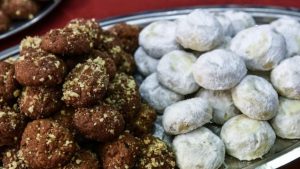
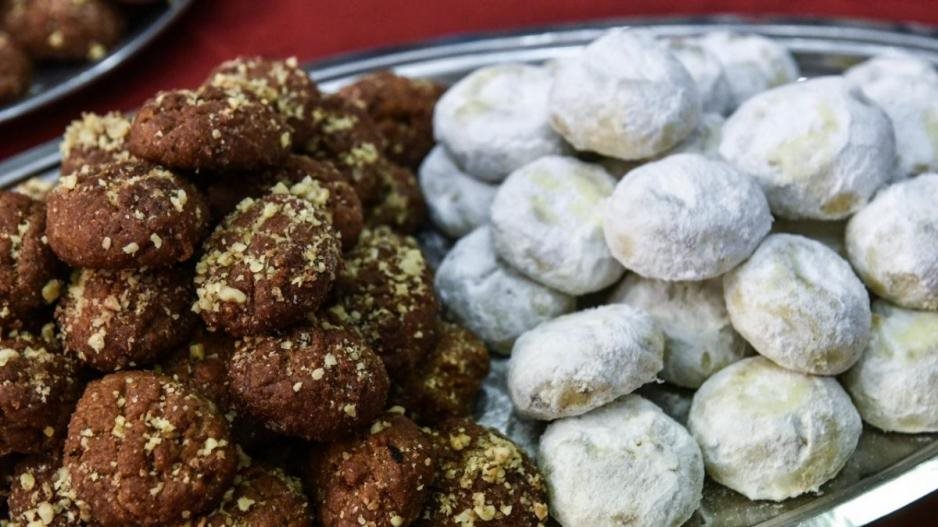
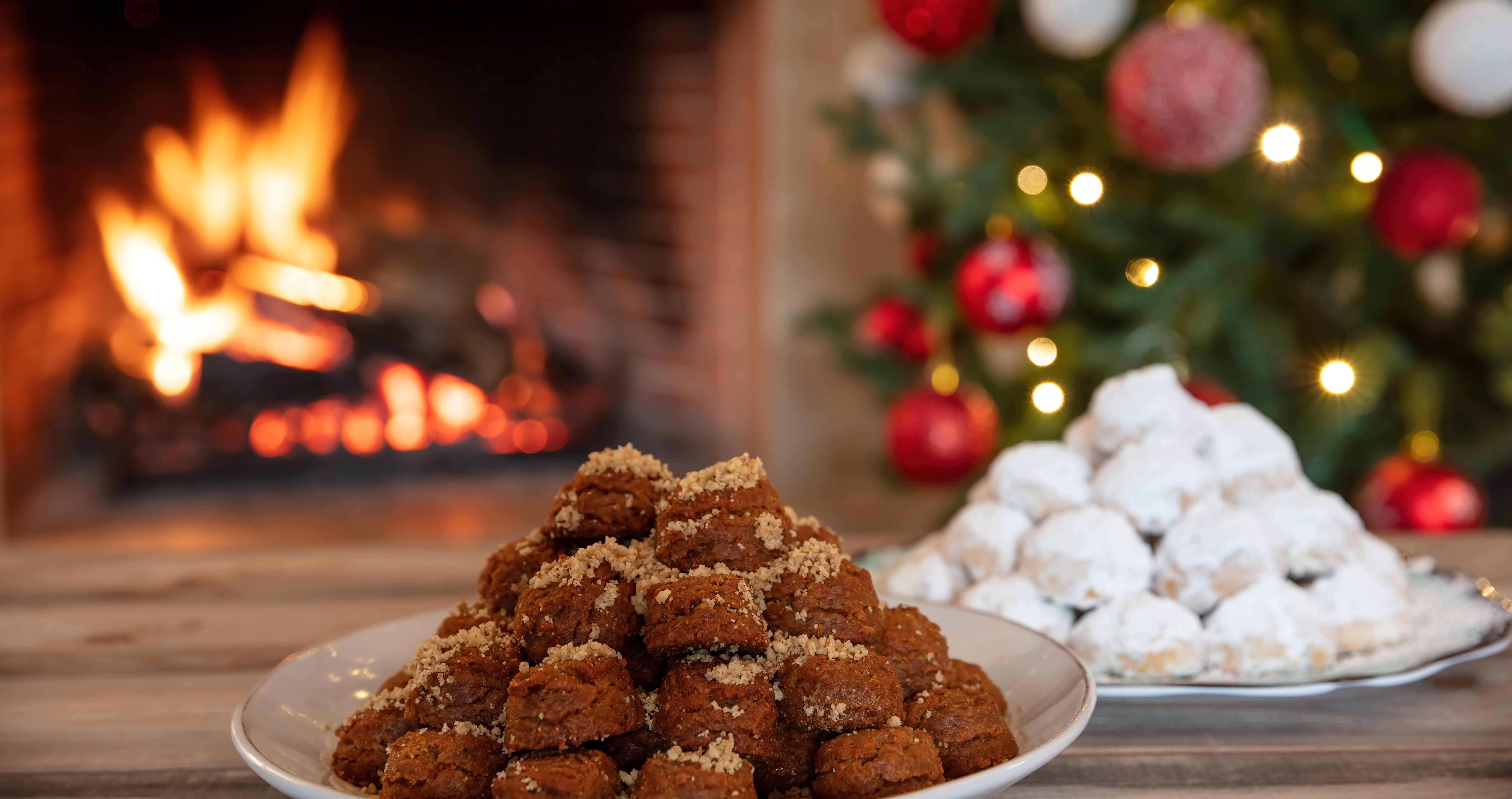
Melomakarona are honey-soaked cookies flavored with spices and often topped with walnuts, while kourabiedes are buttery, powdered-sugar-coated cookies traditionally made with almonds. Diples are thin sheets of dough that are fried, folded and covered with honey and nuts.
Although the increases are relatively small, they reflect the upward pressure on the market for seasonal sweets.
Rising ingredient and operating costs
Industry professionals attribute the higher prices primarily to the cost of raw materials. Butter, honey, walnuts and almonds are among the main ingredients in traditional Christmas sweets and directly affect production costs.
Higher energy bills, rents and wages, as well as rising costs across the supply chain, are also adding to the pressure.
Last year, pastry makers had already warned that the prices of several raw materials had risen considerably. Increases in the cost of butter, honey, walnuts and almonds reached as much as 30% to 40%, according to statements made at the time by industry representatives.