 Μake us preferred on Google
Before diversity became a fight on cable news, there was the Greek diner. If you grew up around one or have ever worked in one, you know the scene. The kitchen is like the United Nations. People from different countries work side by side, pick up bits of one another’s languages and figure out how to get a dazzling variety of breakfasts onto the tables on a busy Saturday morning. Out front, whoever comes through the door gets a seat, a menu and a glass of water. My dad hated if anyone sat for more than a few moments without water.
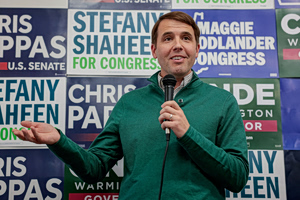
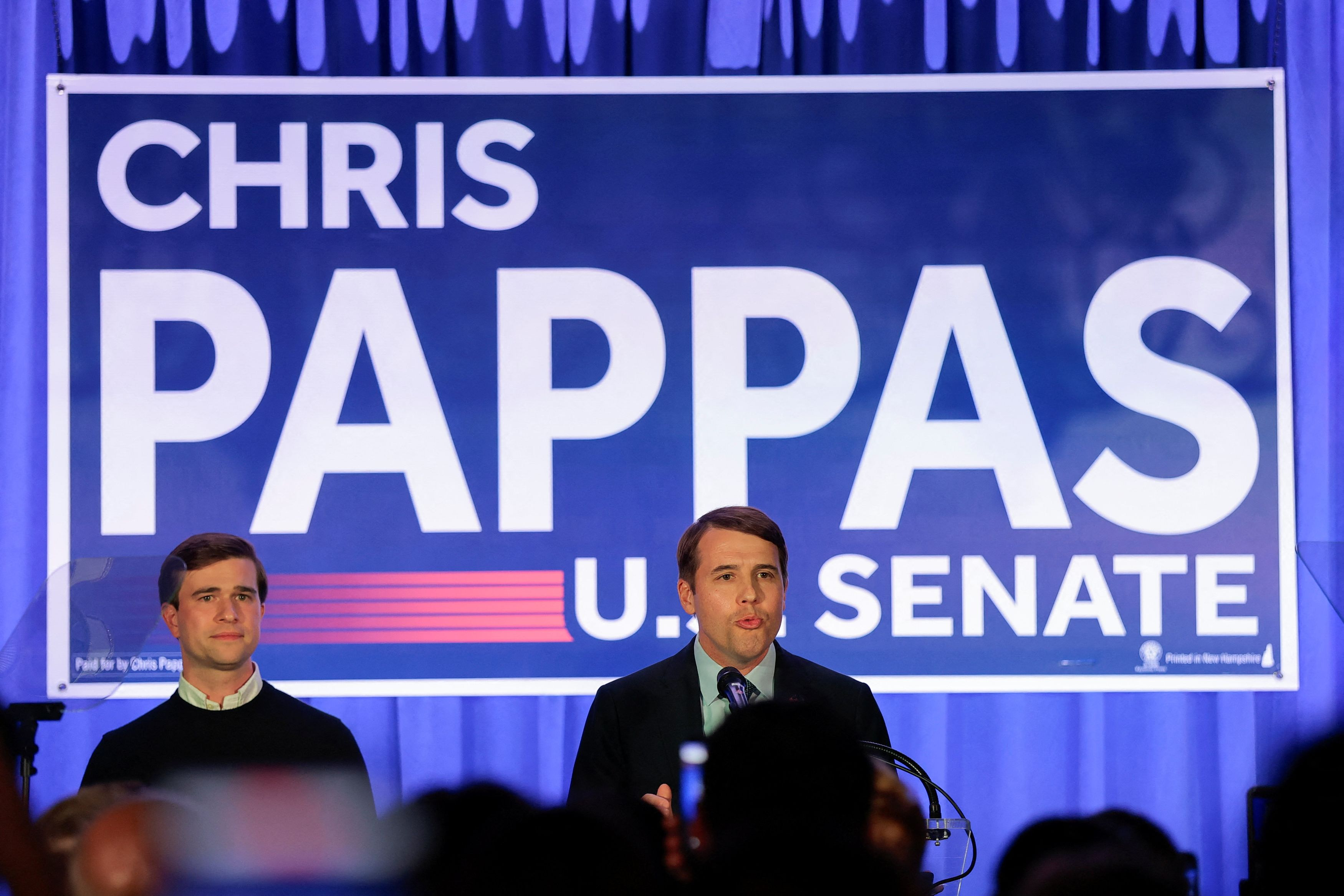
For many of us, there was something familiar about the scene on election night when Senator-elect Chris Pappas thanked his supporters at the Puritan Backroom, his family’s restaurant in Manchester, New Hampshire. A Greek-American restaurant kid was going to the United States Senate. His victory came on a night when voters from Texas to Alaska to New England, in places that rarely vote alike, delivered much the same verdict on President Donald Trump. That used to happen more often, before we were told we were divided, polarized and couldn’t agree on much of anything.
The election gave our community an opening to think again about how we use our political influence. Access gives us the opportunity to be heard. Its value lies in what follows. When a few well-connected people meet with senior officials, the wider community should be able to recognize its own priorities in what they seek and what they bring back. Our friends, relatives and colleagues in Greece and Cyprus had good reason to hope that closer ties with Washington would help Greece stand up to pressure on its borders and at sea, bring investment and jobs, and move Cyprus toward a just and lasting settlement. By the time the midterms rolled around, though, all that access had yielded too little on those fronts and plenty of ugly tabloid fodder.
The values we bring to the work matter, too. In 2024, some of us came together around a platform called Greeks for Democracy. The ideals we shared transcended any one campaign. We talked about the importance of filoxenia, hospitality in its most demanding sense. It asks us to extend to the stranger the warmth we show our own. We talked about filotimo, the sense of honor that tells us what we owe others and asks us to do right by them even when it costs us something. Eleftheria is the freedom to speak and live according to our conscience. And demokratia means that each of us deserves a voice in the decisions that affect us and that people entrusted with power owe us an accounting of how they use it. Those ideals still reflect who we are, and nobody can take them away from us. No president, no set of policies, no regime.
Some who stood most firmly with President Trump have given generously to Greek-American institutions and rightly earned our gratitude. But it is hard to rationalize the way the president treats people – treatment we would find hard to excuse at our own dinner tables. This holiday season, many of us will be sitting around those tables together. I hope we can speak honestly about the choices we made and still see one another as people we love.
We owe one another an honest conversation about how well our political engagement has served our ideals and the people we hope to help. Everyone should have a place in that conversation, including those who stood with President Trump.
Who gets heard should never depend on who backed the winner, who wrote the biggest check or who can get a meeting at the White House. Let’s hear from people who have spent years building ties with Greece and Cyprus and from younger Greek Americans who will carry those ties forward. And let’s hold anyone entrusted with those relationships to the same standard, however close they are to us or to the president. A relationship built over generations should never become a way for a few connected people to make money or enjoy the perks of being close to power.
A new Congress takes office in January. We can use that opening to bring more voices together, agree on our priorities for Greece and Cyprus and take them to our representatives. That means asking for specific commitments and staying engaged to see those commitments turn into action.
This work should begin now and shape what we ask of presidential candidates as they emerge for 2028. Greek Americans will make up their own minds about whom to support. Whatever our choices, we should be able to sit down with our family, friends and colleagues in Greece and Cyprus and have something to show.
James Filippatos is a Greek-American lawyer based in London who helped build the Greeks for Democracy coalition in 2024.