 Μake us preferred on Google
On one side, the so-called “Frugal” states are pushing for further reductions in the budget. On the other, the “Friends of Cohesion” — a group of countries that includes Greece — warn that the scope for further concessions has been exhausted.
According to reports, the leaders of this 16-country alliance, which includes Greece, Italy, Poland, Spain and Portugal, among others, are scheduled to meet on Thursday morning, November 26, to coordinate their positions before the extraordinary EU summit officially begins.
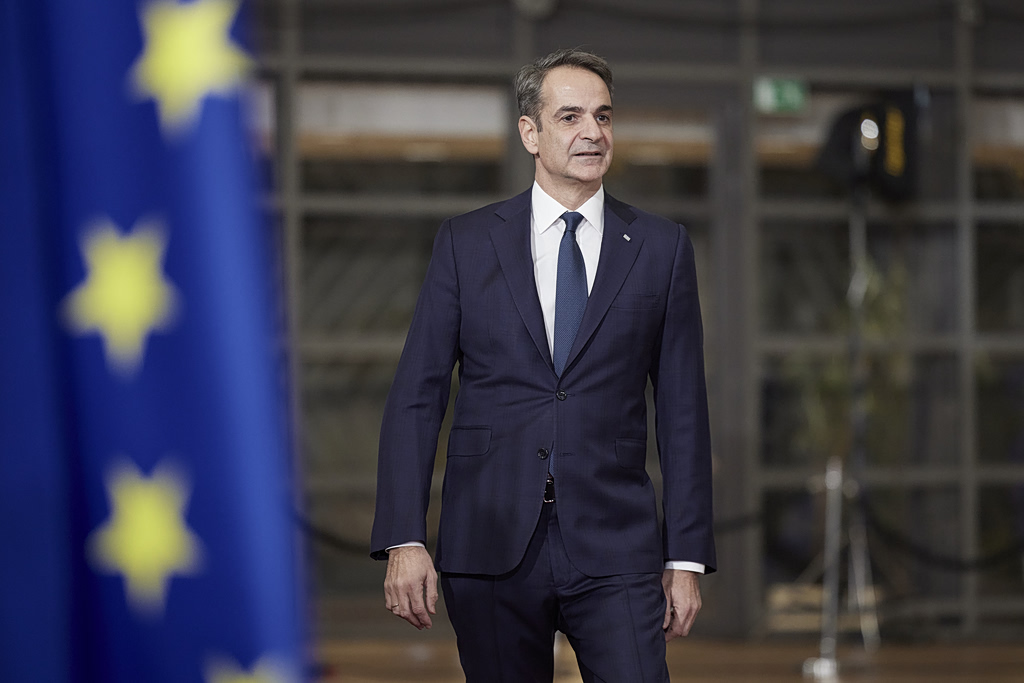
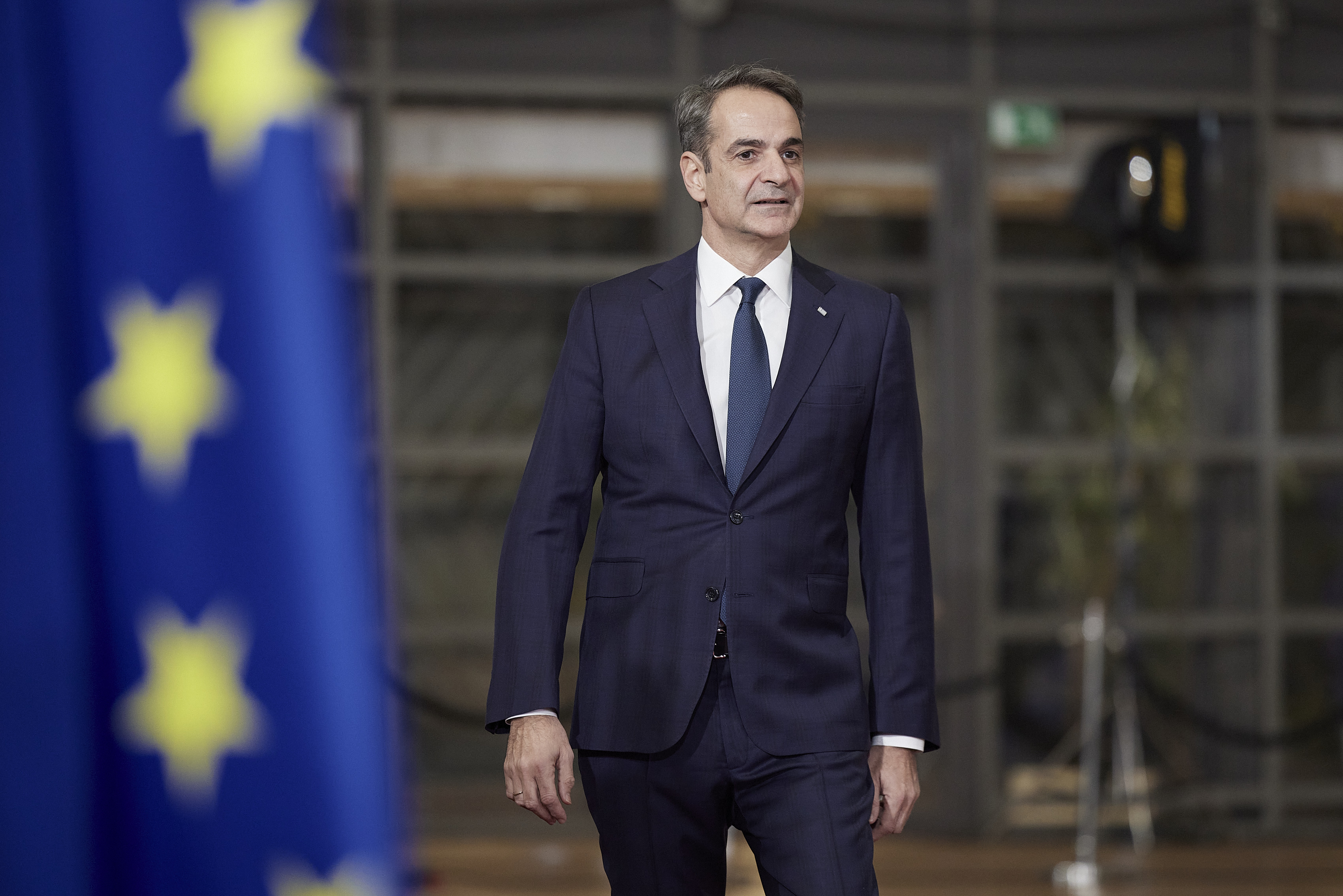
French President Emmanuel Macron may also join discussions among the Friends of Cohesion, which include Prime Minister Kyriakos Mitsotakis, Italian Prime Minister Giorgia Meloni and Polish Prime Minister Donald Tusk.
The French presidency has already made clear that an agreement must be reached by the end of the year. Another summit is scheduled for December 17. Otherwise, Macron will be unable to continue the negotiations during an election year in France.
Greece’s EU Council presidency
For Athens, too, avoiding a complete deadlock and securing at least an initial agreement by the December summit would be considered a positive outcome.
If that happens, Lithuania’s EU Council presidency will be tasked with preparing the provisions for implementing the new long-term EU budget, known as the Multiannual Financial Framework (MFF). Greece will then take over.
Beginning July 1, 2027, when Greece assumes the rotating six-month presidency of the Council of the European Union, it will be responsible for managing the final approval of the MFF, which must enter into force on January 1, 2028.
Mitsotakis has also made this European responsibility part of the political debate at home ahead of Greece’s spring 2027 elections. “Citizens must choose who they want at the helm, representing the country,” the prime minister has said repeatedly.
The Prime Minister’s Office and Foreign Ministry
On Thursday, EU leaders will discuss a compromise proposal known as the “Nego-box,” presented recently by European Council President António Costa. Despite proposing €204 billion in cuts compared with the European Commission’s original budget proposal, the plan continues to face opposition from different groups of member states.
The Greek positions on Costa’s proposal were prepared by the Prime Minister’s Office and the Foreign Ministry, under the leadership of Deputy Prime Minister Kostis Hatzidakis and Deputy Foreign Minister Tasos Chatzivasileiou.
In particular, as part of the Friends of Cohesion group, Athens held a series of consultations to advance Greece’s reservations and establish its red lines.
The CAP and cohesion policy
For Athens, the difficult negotiations concern the Common Agricultural Policy (CAP), investment opportunities and cohesion policies.
Government sources acknowledge that Costa’s package takes some Greek positions into account. However, Mitsotakis is expected to reiterate that there is no room for cuts to either cohesion policy or the CAP.
Government sources describe Athens’ position as “clear”: further cuts cannot be accommodated within an already constrained budget framework.
“There can be no strong Europe with a weak European budget,” they say.
And Ukraine
Athens’ reservations also extend to linking negotiations over the long-term EU budget with funding for Ukraine.
The concern is that tying the two issues together would further complicate an already difficult negotiation.
The proposal has also caused unease in other European capitals, including those that otherwise agree on the need to continue supporting Kyiv.