 Μake us preferred on Google
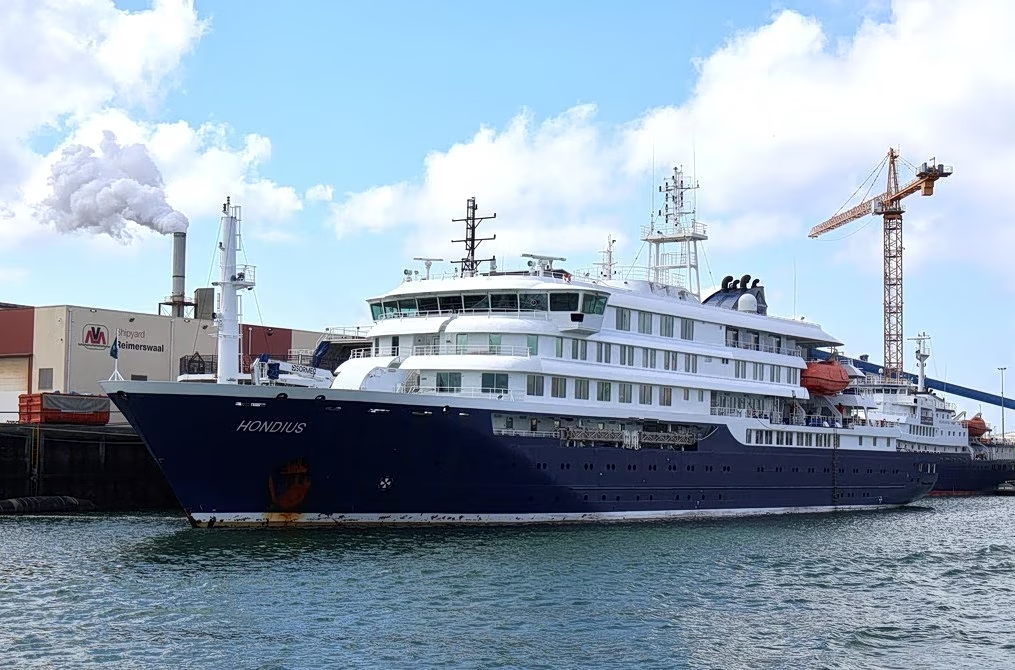
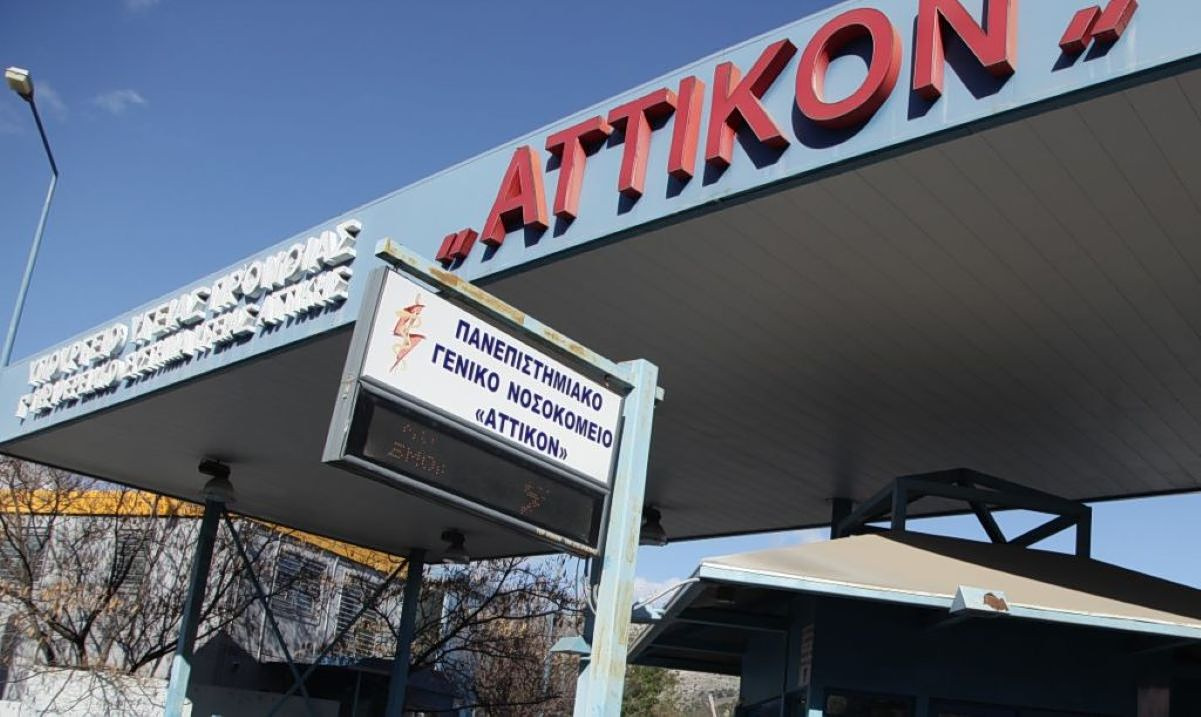
 A special EMS operation reached Athens’ Attikon Hospital shortly after 3:30 a.m. on Monday, transporting the Greek passenger from the cruise ship MV Hondius, where hantavirus cases had been reported.
According to the hospital’s first official medical statement regarding the 70-year-old man, “the citizen is not presenting any symptoms associated with the disease. The measure is being implemented exclusively for monitoring and preventive purposes, with no confirmed infection or indication of active illness. Physicians at Attikon University Hospital, in cooperation with the National Public Health Organization (EODY), are monitoring the situation in line with established public health protocols.”
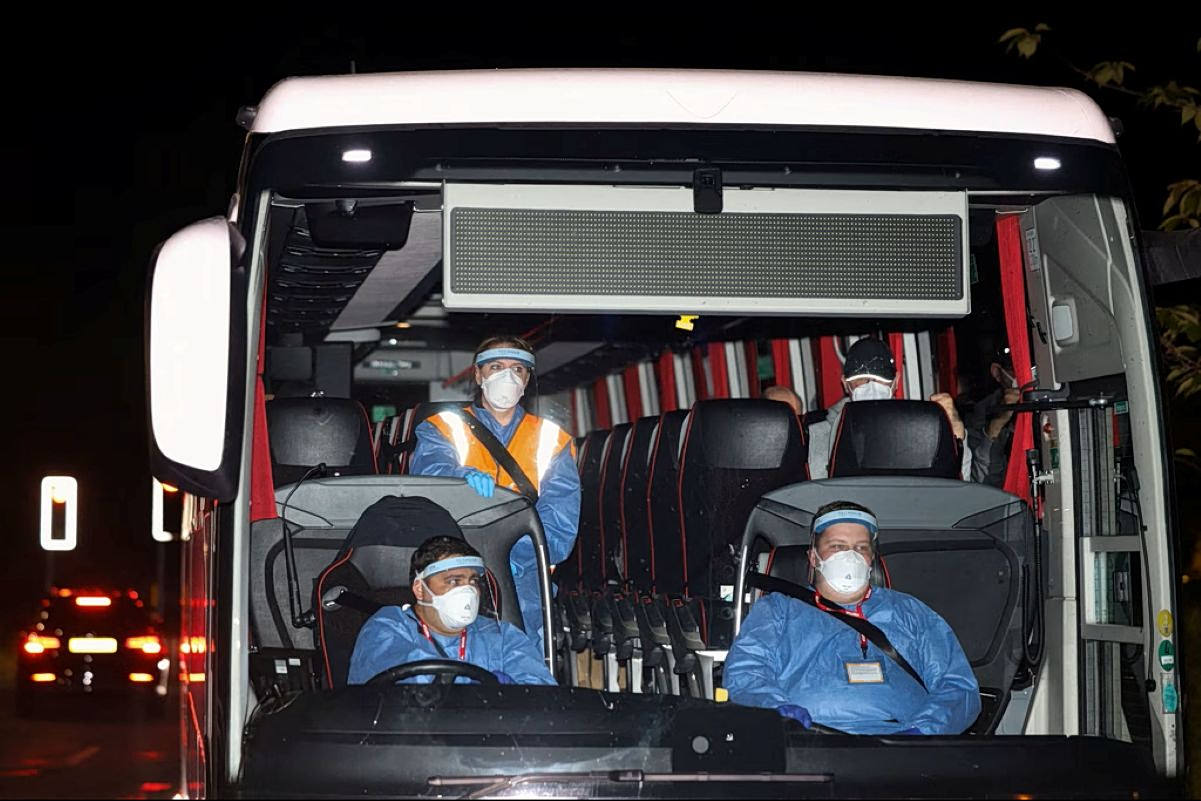
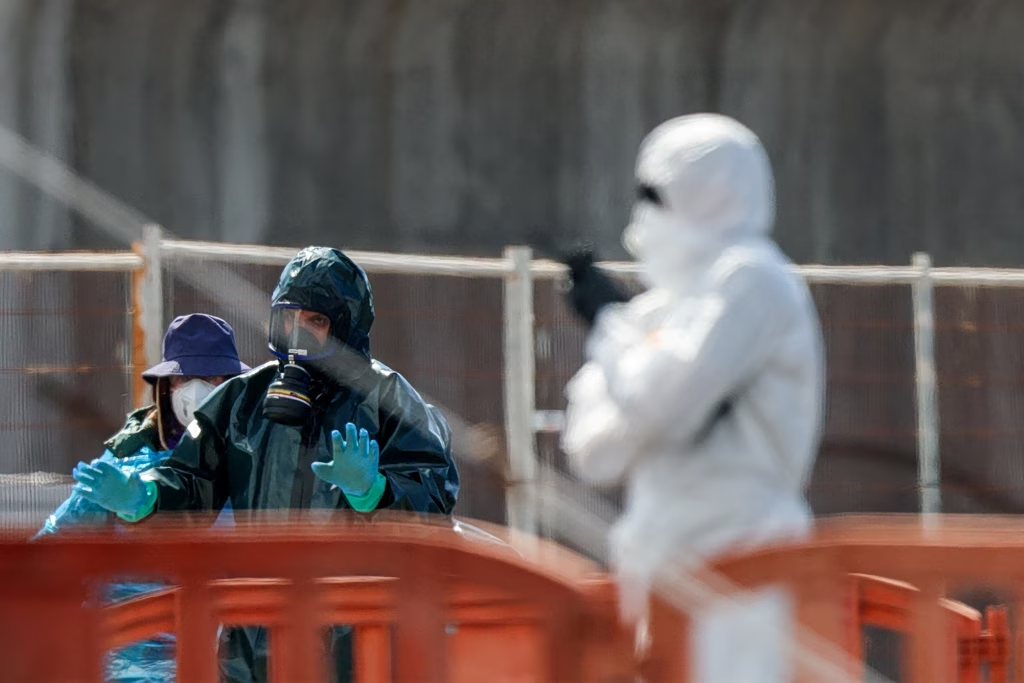
The transfer operation was carried out under strict safety measures.
The passenger was repatriated aboard a special Hellenic Air Force C-27J Spartan aircraft from Eindhoven in the Netherlands. The first phase of the operation was completed at the military airport in Elefsina before he was transferred to Attikon Hospital.
Upon arrival, the patient entered the hospital through a specially designated access point to avoid any contact with other patients or visitors. The procedure was completed within minutes.
In accordance with EODY protocols, the passenger was immediately placed in a 45-day quarantine at Attikon University General Hospital. Both the transfer and hospitalization were organized under enhanced precautionary measures.
As an additional safeguard, the repatriation flight included an EKAB physician, an EKAB paramedic-nurse, and the president of EODY’s scientific council, pulmonology professor Theodoros Vassilakopoulos.
During the quarantine period, the passenger will remain in the hospital’s Special Infectious Diseases Unit, which operates under the Fourth Internal Medicine Department.
Clinical Concerns and Preventive Measures
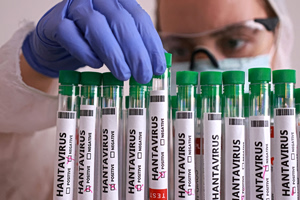
Hantavirus, known for decades, can in rare cases cause serious complications, including respiratory problems and hemorrhagic fever.
Professor Theodoros Vassilakopoulos said Greece is applying particularly strict precautionary measures, with the exposed passenger placed in hospital quarantine rather than home isolation.
He noted that the virus has a low transmission rate and that Greece records only one or two cases each year, while some strains found in the Americas can lead to severe pneumonia.