 Μake us preferred on Google
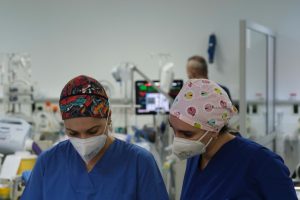
 Greek nurses are awaiting Prime Minister Kyriakos Mitsotakis’ announcements today with both interest and caution, as the government prepares measures for a profession that has been under growing strain in recent years.
The expected announcements, timed to coincide with International Nurses Day on May 12, are understood to focus on two main areas: incentives to keep nurses in Greece’s National Health System, known as ESY, and improvements to pay for a workforce that has long warned it is operating at the limits of exhaustion.
According to the article, one proposal under discussion is an allowance of up to 300 euros as an initial measure of financial relief for nursing staff. Final decisions are expected from the prime minister, but the broader message is that the government recognizes the public health system cannot function without a strong nursing workforce. The nursing profession is also expected to be included among Greece’s Hazardous and Unhealthy Occupations.
The Deputy Health Minister acknowledged yesterday that hospital understaffing is one of the greatest challenges facing not only Greece but European health systems more broadly. He noted that the number of nurses has been declining in recent years, while fewer young people are choosing the profession because of difficult working conditions and low pay.
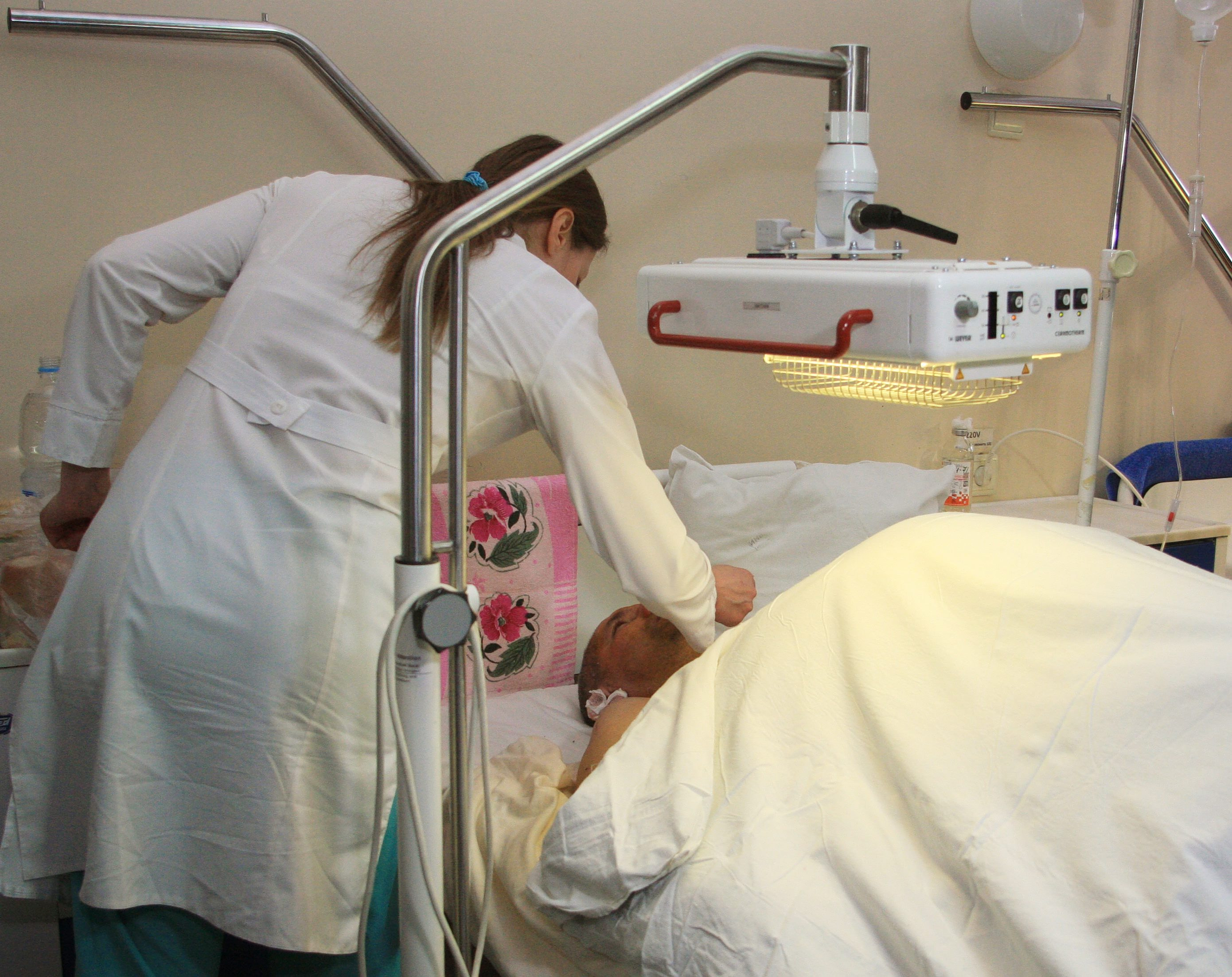
Staff shortages remain acute across public hospitals. In many clinics, particularly in the regions but also in large Attica hospitals, nurses are required to cover excessive shifts, often without adequate rest days. In some cases, a single nurse is responsible for far more patients than international safety limits allow, increasing both physical exhaustion and the risk of mistakes.
Nurses say the problem is compounded by the steady loss of experienced staff to jobs abroad or in the private sector. Pay in the ESY is considered especially low compared with the workload and responsibility nurses carry, while newly hired nurses often struggle to meet the rising cost of living in cities such as Athens and Thessaloniki.
A central demand is the creation of a special salary scale for nurses, similar to that of ESY doctors. The government is reportedly examining such a move, which would detach nurses from the unified public-sector salary scale and allow for more substantial increases.
Changes to hiring procedures are also under consideration. Recruitment procedures can currently take two or three years, leaving hospitals with long-term gaps. The Health Ministry is examining a more flexible system, while a new platform for auxiliary staff already operating in Attica is expected to expand nationwide.