 Μake us preferred on Google
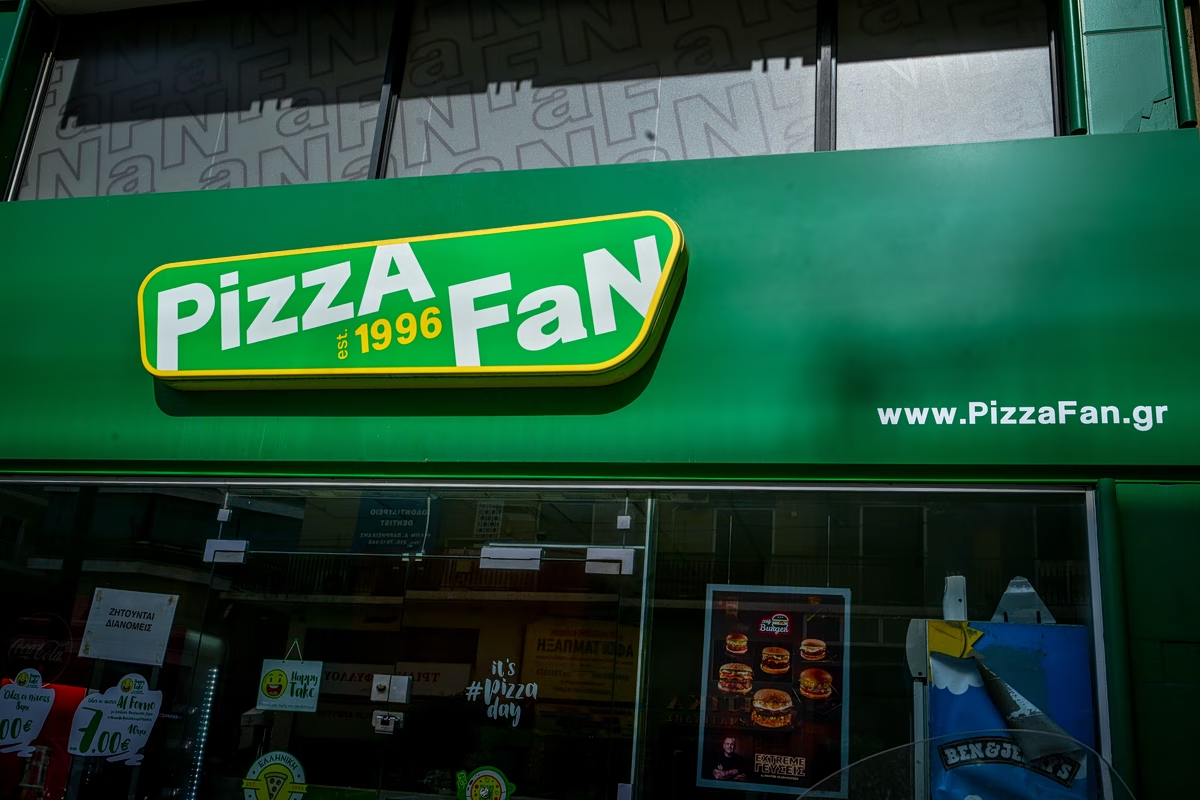
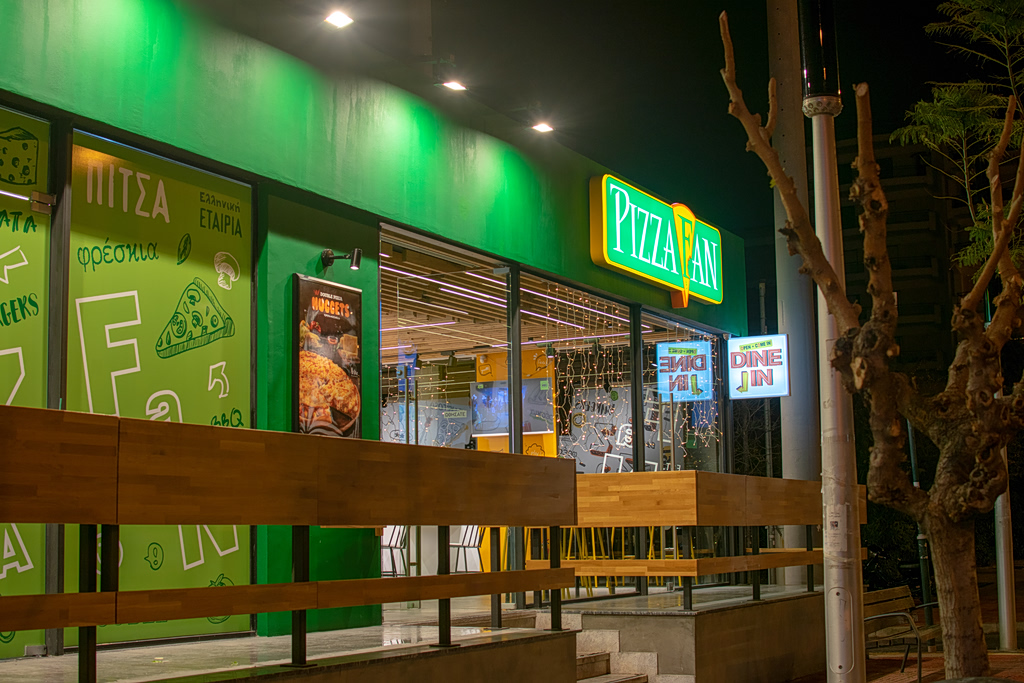
The owner of Greek pizza chain Pizza Fan, Konstantinos Antaras, is due to appear before an investigating judge on Tuesday as part of a major tax evasion case involving 126 people. He is expected to express willingness to pay the taxes owed on manipulated receipts and pizzas recorded as complimentary, while facing questions about €1 million in cash found hidden inside his home.
According to his defense, Antaras will deny the other serious allegations against him, including the circulation of undeclared money and extortion. He is also expected to explain the origin of the cash discovered in a concealed compartment at his residence.
The case involves felony-level charges against those implicated, including forming, joining or directing a criminal organization; tax evasion exceeding €150,000 through unpaid value-added tax (VAT) and inaccurate declarations; aiding and abetting those offenses; and aggravated money laundering.
Five defendants released under restrictions
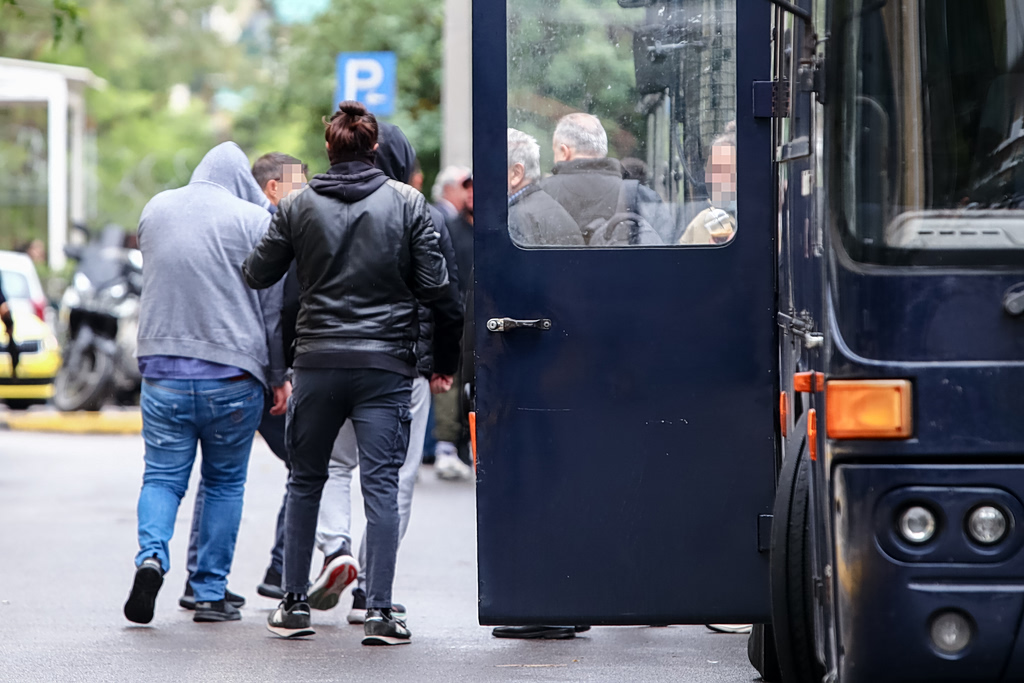
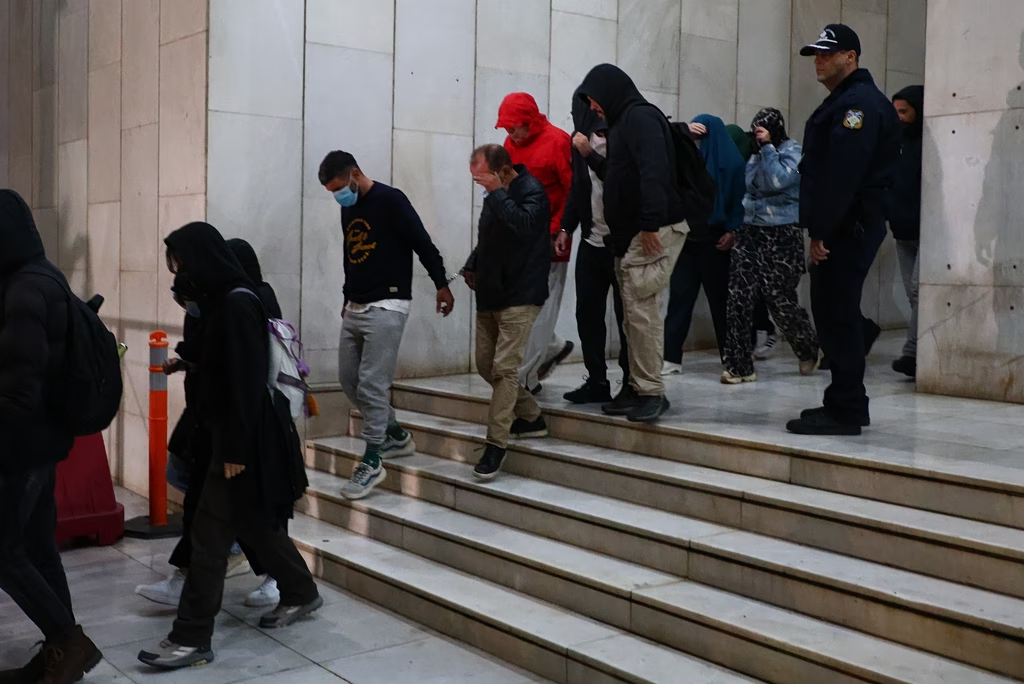
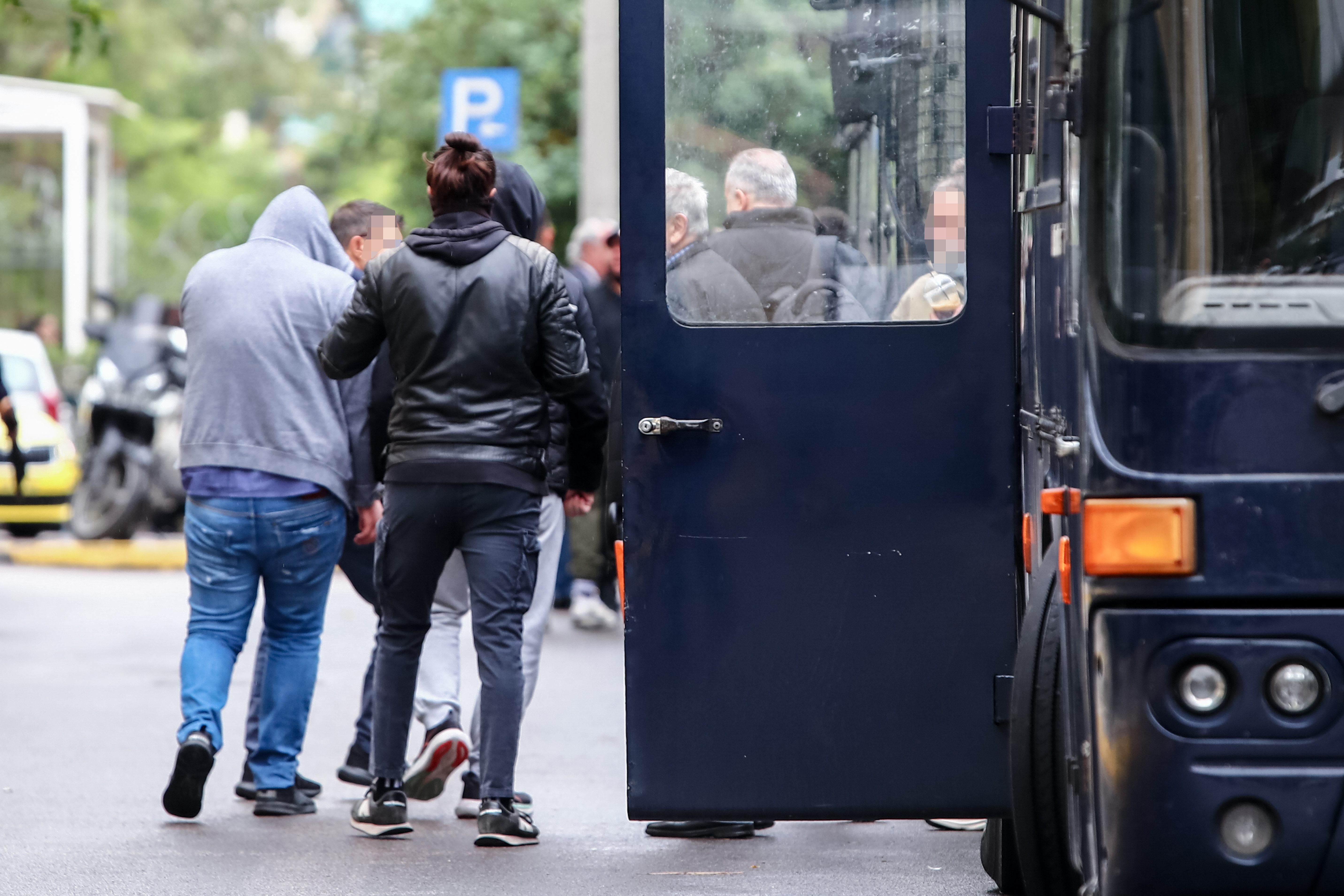
Questioning began Monday with the first group of 10 defendants. Following a joint decision by the investigating judge and prosecutor, five were released under restrictive conditions: three accountants, a software developer and the owner of a Pizza Fan franchise in Nea Ionia, a suburb of Athens.
Their conditions include regular appearances at a police station and a €5,000 financial guarantee.
The proceedings continue Tuesday with a second group of defendants, including Antaras, who is said to have led the operation, and associates suspected of playing central operational roles alongside him.
Tax authorities investigate suspected insider leak
The Independent Authority for Public Revenue (AADE) has launched an internal investigation into suspicions that information about impending inspections was leaked to the network by tax authority employees, possibly in exchange for payments.
At the direction of AADE chief George Pitsilis, the authority’s Internal Affairs Directorate formally requested evidence from the Hellenic Police to establish whether bribery or unauthorized disclosure of information took place.
The suspicions are partly based on recorded telephone conversations in which the businessman appears to indicate that he had been warned about upcoming inspections.
In one conversation, the businessman says that after two complaints were made to AADE, the company was informed that inspections would take place from September onward, although officials would be busy with checks on the islands. He adds that they had been told inspections would be carried out at the chain’s takeout operations.
A second-in-command responds that the person who made the complaint did not personally identify himself, apparently to avoid revealing his involvement. The businessman replies that this was not the case.
Investigators are examining the exchanges to determine whether they point to an internal leak.
Forensic analysis targets software used to alter records
Forensic laboratories are conducting an in-depth analysis of specialized software used to manipulate business records. Authorities suspect the program may also have been distributed to other restaurant chains.
Analysts are searching for the software’s source code, hidden files and duplicate revenue entries that could help establish the actual volume of transactions between 2016 and 2026. Investigators are also mapping the activities of those responsible for the system and their access to individual franchise locations.
Assets frozen as 2,500 employees fear for their jobs
Charalambos Vourliotis, head of Greece’s Anti-Money Laundering Authority, has ordered a comprehensive freeze on the assets, bank accounts and safe-deposit boxes of all defendants. Accounts used to pay employees’ wages have been explicitly exempted from the order to ensure that salaries can be covered.
Meanwhile, the case has raised concerns among Pizza Fan’s approximately 2,500 employees about the future of their jobs and employment rights.
Unions and workers held a protest outside the company’s headquarters, demanding guarantees that their positions and social security rights would be protected.