 Μake us preferred on Google
According to a report by Ta Nea, the alleged network involved individuals in Greece and abroad working with at least three or four travel agencies, mainly from Romania. Pilgrims were reportedly transported in minibuses from Balkan countries and charged substantial amounts for packages that included arrangements for entry and accommodation.
Authorities are examining whether the suspects bypassed the normal permit-issuing procedure by circumventing the order of priority or deliberately obstructing the electronic booking system. They are also investigating allegations that permits were intentionally delayed in order to secure additional overnight stays outside Mount Athos at lodgings allegedly linked to people under scrutiny in the investigation.
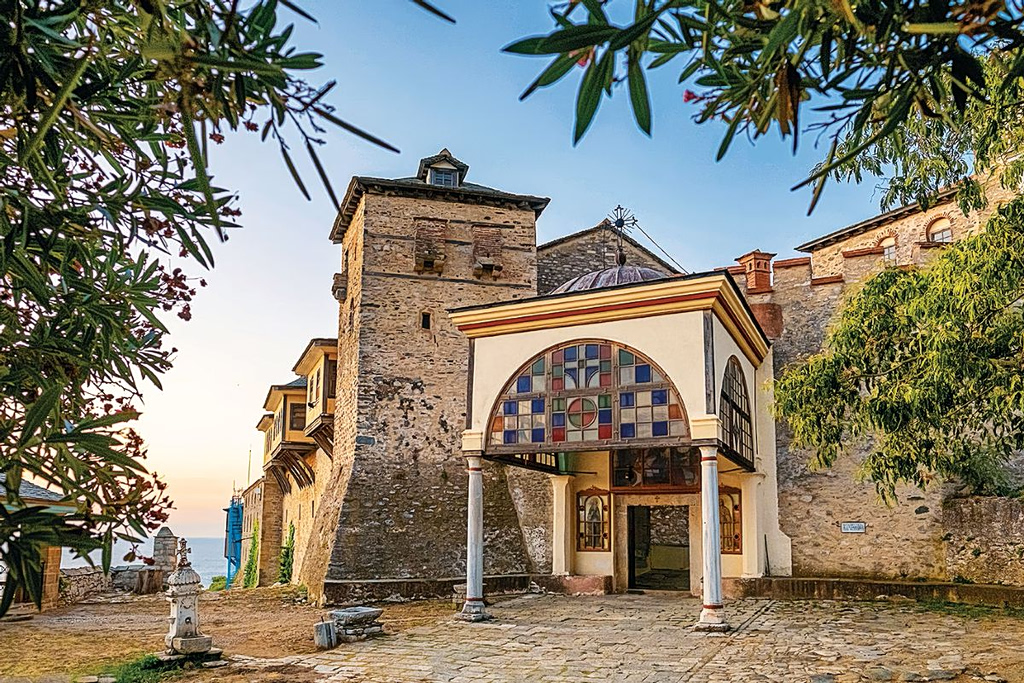
Photo: shutterstock_2842639253
What Is the pilgrim’s permit?
The diamonitirio is the official personal document required to enter and stay in the monastic community of Mount Athos. It is valid for four calendar days, allowing up to three overnight stays.
The permit is issued by the Holy Executive Administration (Iera Epistasia), through the pilgrims’ bureau, with the fee ranging from 25 to 35 euros, depending on the visitor’s category. This covers authorization to enter Mount Athos, not accommodation.
Hospitality, including accommodation and meals at the monasteries, is traditionally provided free of charge to pilgrims. The amounts allegedly charged by the travel agencies therefore substantially exceed the official permit fee and are not payments for monastery accommodation.
There are two types of permits: the general permit, which allows visits to several monasteries, and the special permit, issued following an invitation from a specific monastery or skete.
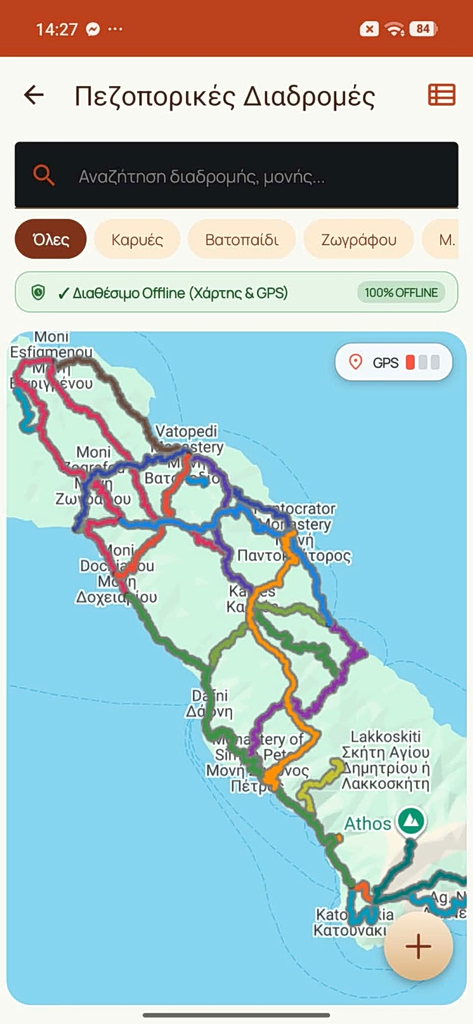
How to obtain a permit
Applicants must contact the Mount Athos pilgrims’ bureau in Thessaloniki well in advance, as the number of permits is limited and demand can be particularly high during peak periods.
The application requires personal details, including the applicant’s full name, father’s name, year of birth and national identification card or passport details, as well as the intended date of entry.
Once availability has been confirmed, the permit is collected in person on the day of entry, usually from the bureau in Ouranoupoli. Visitors must present their identification card or passport and pay the applicable fee.
Those entering through Ierissos must make prior arrangements with the competent office regarding collection of the document.
According to the Ta Nea report, authorities are examining whether private individuals and employees worked with Romanian travel agencies to manipulate the permit-issuing system.
The investigation also focuses on whether the alleged scheme involved deliberately delaying applications to generate additional business for accommodation facilities outside the monastic territory.
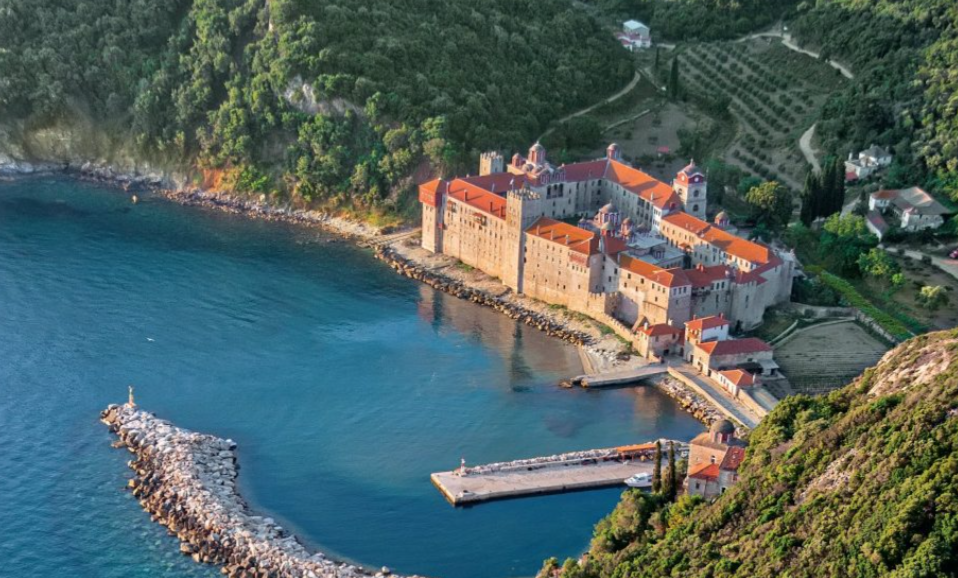
Mount Athos: A centuries-old Orthodox monastic community
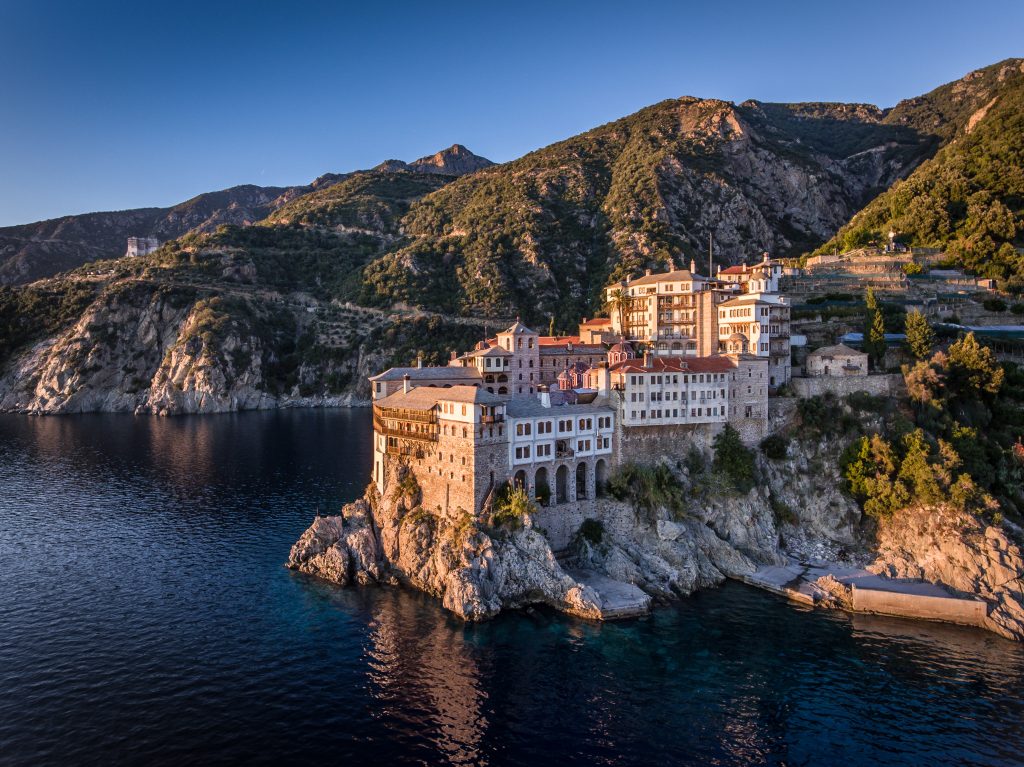
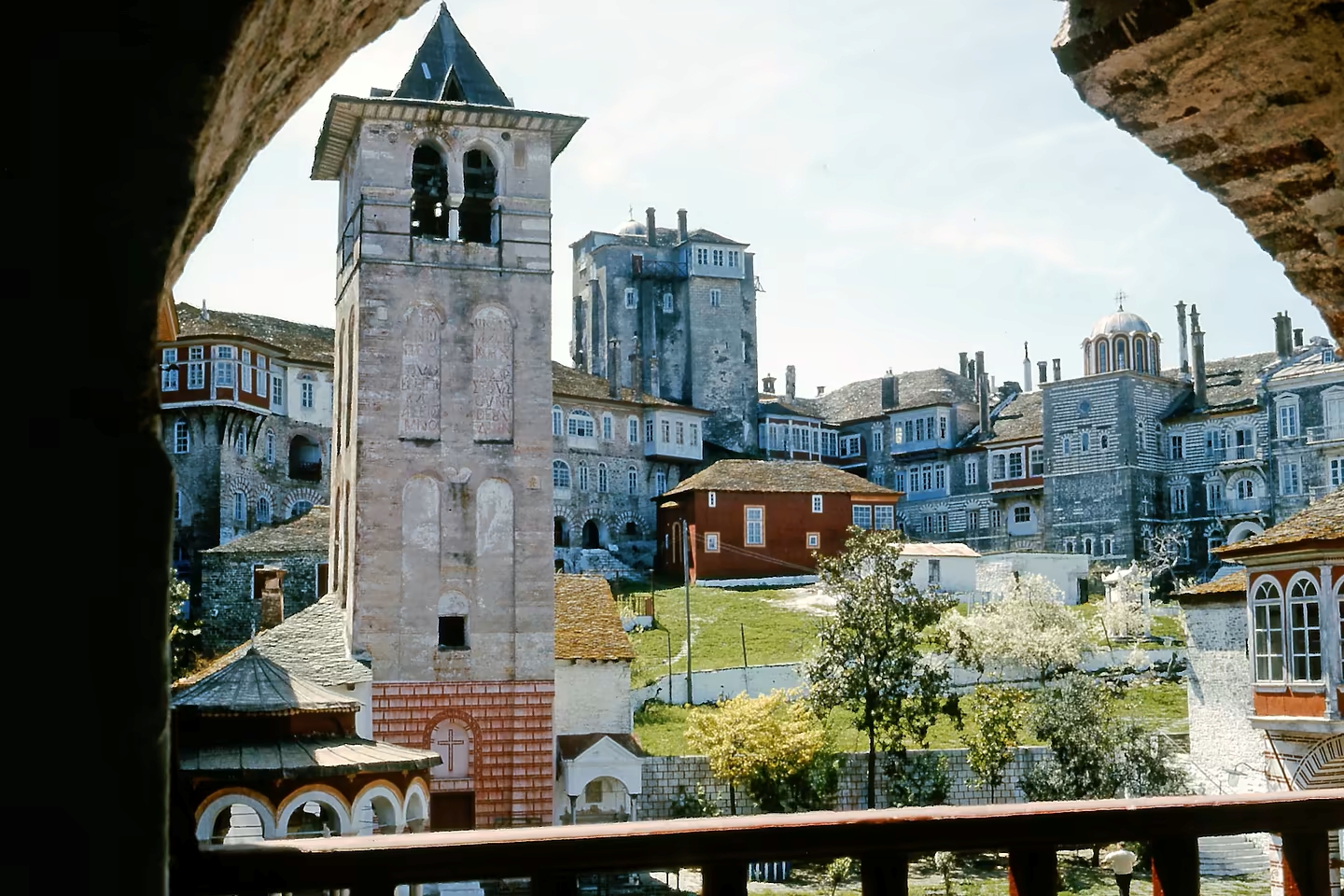
Mount Athos, also known as the Holy Mountain (Agion Oros), is a self-governing monastic community in northern Greece, occupying the easternmost of the three peninsulas of Halkidiki. It has been a major center of Eastern Orthodox Christianity for more than 1,000 years and comprises 20 sovereign monasteries, alongside smaller monastic communities known as sketes, cells and hermitages.
Its autonomous administrative status dates back to Byzantine times and is recognized under Article 105 of the Greek Constitution. The 20 monasteries are represented in the Holy Community, based in Karyes, which administers the territory, while the Ecumenical Patriarchate exercises spiritual jurisdiction.
Mount Athos was inscribed on UNESCO’s World Heritage List in 1988 in recognition of its religious, historical, architectural and artistic significance. Its monasteries preserve important collections of Byzantine and post-Byzantine icons, frescoes, manuscripts and other religious artifacts.
Access is governed by strict rules. Only men are permitted to enter the peninsula, under the centuries-old avaton tradition, and all visitors must obtain a special written permit. The number of daily permits is restricted.
Women can visit the western coastline on organized boat excursions but cannot enter the monastic territory.