 Μake us preferred on Google
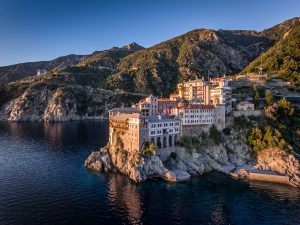
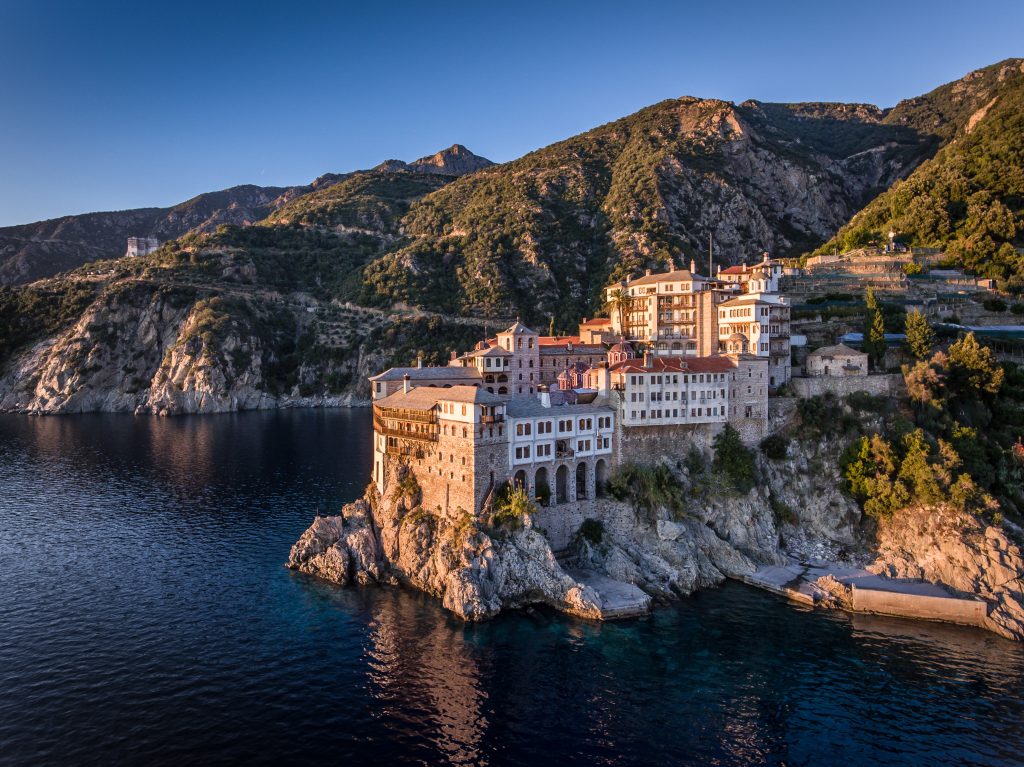
 At 4 a.m. at Great Lavra, the Mount Athos monastery that holds first rank in the Holy Mountain’s hierarchy, the monk Theologos is looking at his computer screen. He checks readings from the weather stations and forecasts for the coming hours, along with the wind and the sea. If all goes to plan, the day’s update reaches the phones of Athos Zone users as a notification at around 7 a.m.
Then a different day dawns for him: the ordinary day of a monk in the Athonite community. “There is the monastery’s schedule and there are my obediences. Athos Zone has to adapt to them, not the other way around,” he says.
A monk who’s online can seem like a contradiction. For over a millennium, Mount Athos has stood for withdrawal from the world and contemplative stillness, a far cry from apps, servers, notifications and real-time updates.
Father Theologos, however, sees no conflict between the two worlds. To him, technology is a tool, and Athos Zone, as he approaches it, is simply one more obedience. “A cell phone, a computer or an app is neither helpful nor harmful in itself,” he observes. “What matters is why a person uses it, how much room he allows it to take up in his life, and whether in the end he is using the tool or the tool has started using him.”
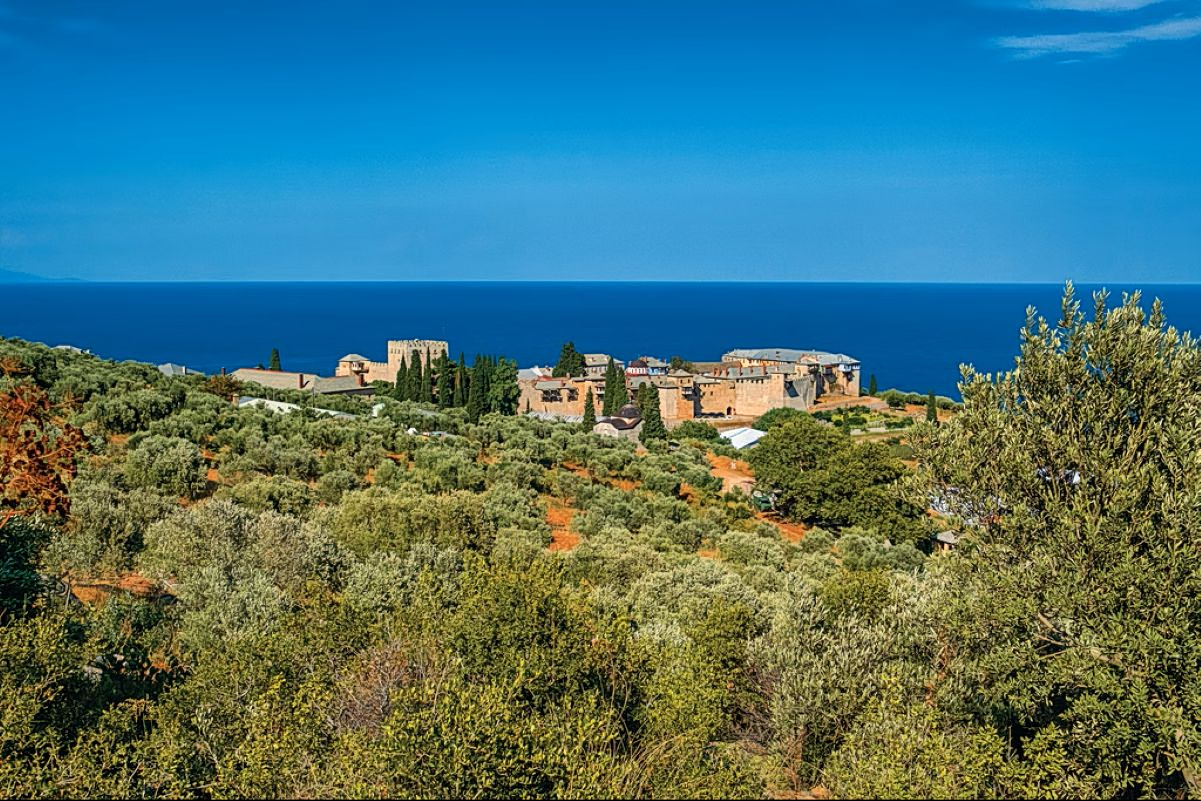
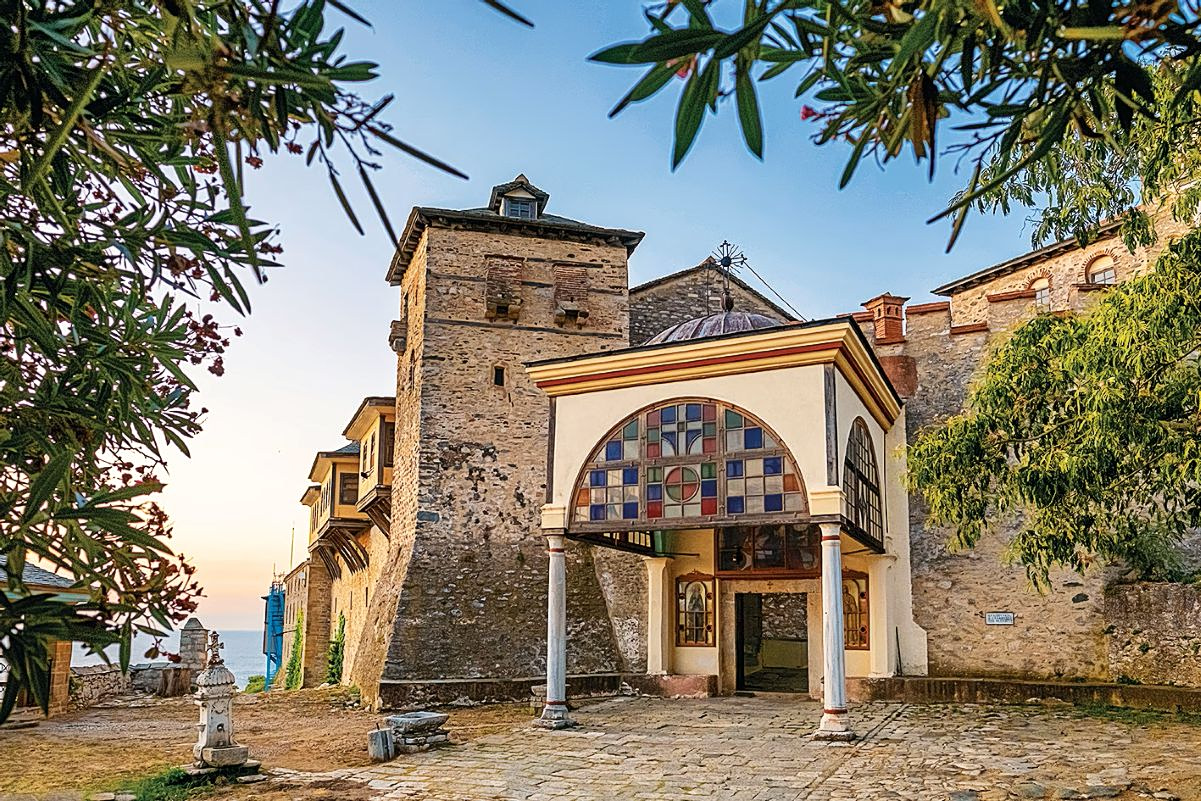
Photo: shutterstock
At first glance, the app he runs might look like a technological oddity in Athonite life. In reality, it meets a very specific need. Some 178,000 pilgrims visited Mount Athos in 2025, and getting around the peninsula is not always as simple for them as it would be at an ordinary destination. Access is by sea, ferry schedules are at the mercy of the weather, distances are often long, and a sailing ban, a landslide or a problem on a trail can upend the best-laid plans.
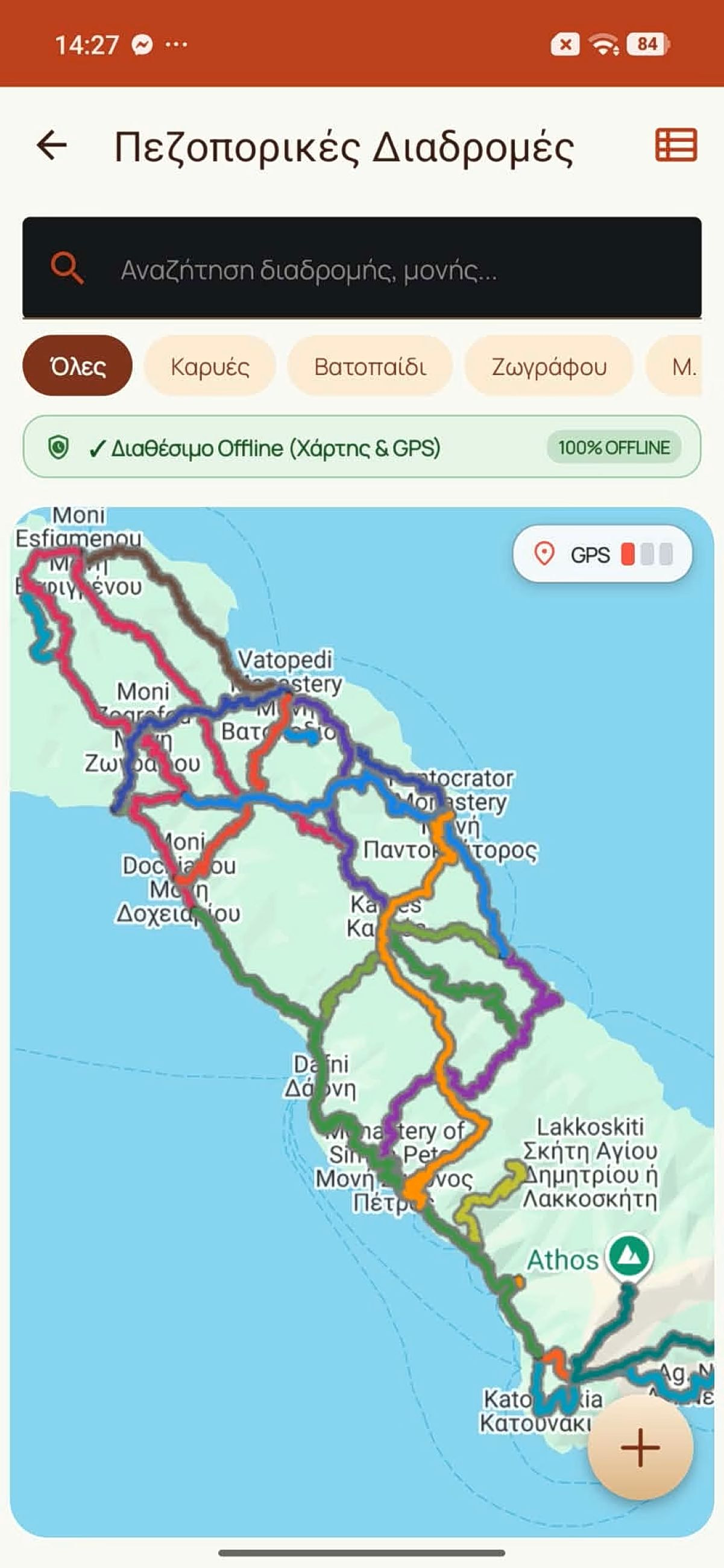
That is precisely where Athos Zone earns its place. Pilgrims can find everything in one spot: weather, ferry schedules, port information, useful phone numbers, maps and even hiking routes. If something happens that affects travel, an alert can reach their phones right away.
“Athos Zone was not created to ‘transfer’ Mount Athos onto a screen, or to replace the experience of pilgrimage,” Father Theologos explains. “That simply cannot be done.”
From graphic design to the Holy Mountain
Father Theologos brought some baggage from his former life with him to the monastery. Before becoming a monk, he worked professionally in graphic design, mostly on the creative side. Computers were no stranger to him, though that did not mean he knew how to code. “I’m still not a programmer today,” he is quick to clarify. For the technical side of Athos Zone, he works with people who handle the app’s development. He himself has taken on mainly the content and the day-to-day operation.
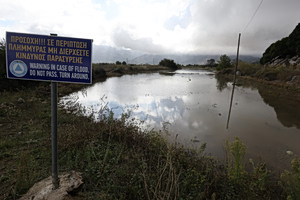
The idea grew out of personal experience a few years ago. At Mylopotamos, before today’s bridge was built, heavy rains could turn the stream into a torrent that cars couldn’t cross. Caught there in a downpour, Father Theologos waited about three hours, with four cars lined up behind him.
“How useful it would be,” he thought, “to warn the next person heading this way, so they know about a problem before they run into it.”
He wasn’t thinking about apps yet, only about getting information to the right person at the right moment. That is how Athos Zone was born.
From blog to app
It began far more humbly than its current form, as a simple blog. Father Theologos had installed a first weather station and was publishing its data. At the same time, he started gathering phone numbers, contact details, information about the monasteries and anything else he thought might help a pilgrim. The blog ran for about five years. Gradually, though, the information grew, and the original format could no longer contain it. A website followed, and finally the app.
The real change was that information stopped waiting for users to go looking for it. “If the weather changes, if there’s a problem at a port, or if something comes up that affects travel, the information has to be able to reach the user at that moment, not whenever they remember to check a website,” Father Theologos explains.
Information also flows the other way. If a pilgrim comes across a landslide, a fallen tree or a problem on a road or trail, they can report it through the app. The report is reviewed and can then help other visitors and pilgrims, or even the monks and workers on Mount Athos. “The person who is on the spot at that moment is often the first one able to notice a problem,” he says.
Needless to say, not everyone considered linking an app to Mount Athos natural or necessary. Some felt it was far too “worldly” for a place whose identity is built around withdrawal from worldly affairs. Father Theologos does not dismiss the objection. “That view doesn’t bother me, and I can understand the thinking behind it,” he says. He simply frames the question differently: “For me, the question is how a tool is used and what purpose it serves.”
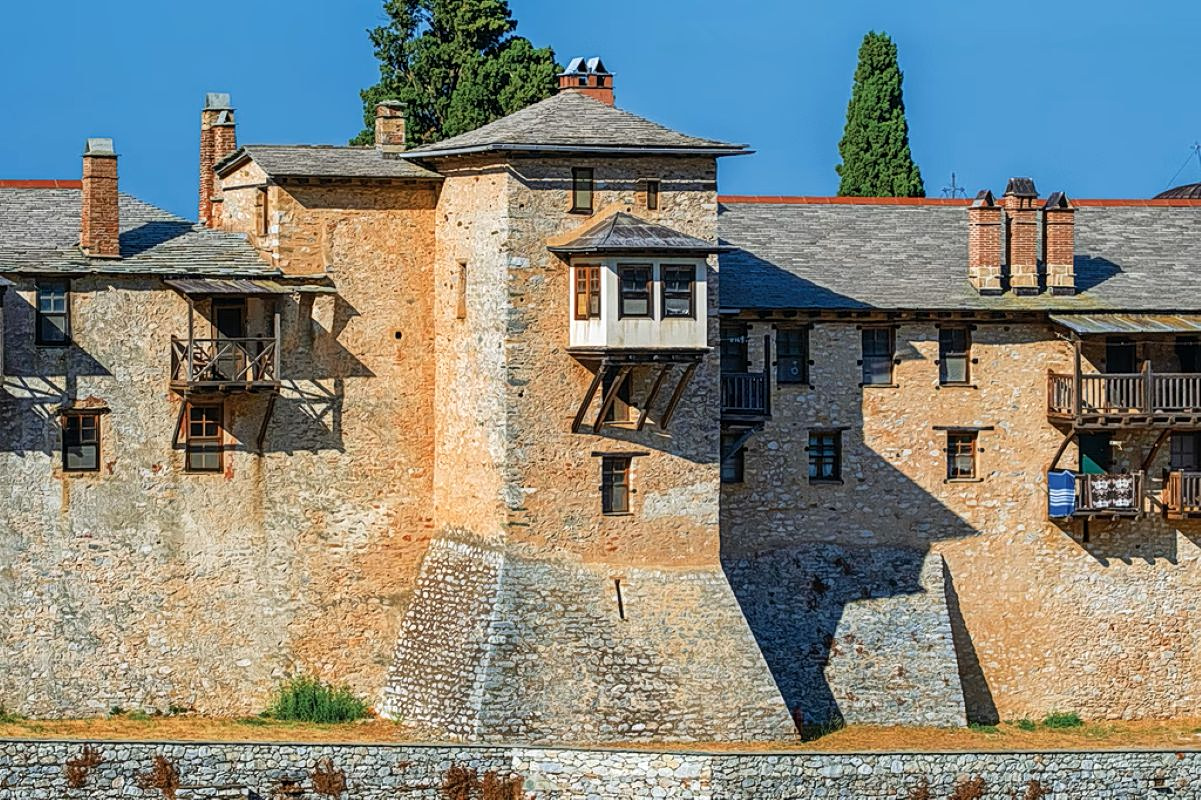
Photo: Shutterstock
Built around the monastic day
An alert about a canceled ferry, a map steering pilgrims off a bad route or a landslide warning doesn’t change the character of Mount Athos, he argues; it simply serves monks, workers and visitors. Monastic life, services and obediences come first, so Athos Zone fits around his day, not the reverse.
The weather data and daily update come at 4 a.m.; messages wait until he has time. But a sailing ban or sudden schedule change demands an immediate response, and he is in daily contact with the port authorities. Technology, of course, keeps no schedule: a glitch can strike at any moment.
Most of the questions Father Theologos gets from users are far more mundane than one might expect from an app connected to Mount Athos. What will the weather be like? Will the ferry run? How do I get from one place to another? Whom should I call? Living there permanently, he says, it is easy to forget how many things you take for granted are anything but obvious to someone visiting Athos.