 Μake us preferred on Google
A little later, in everyday life, we can be far harsher. Those who fall behind are readily judged inadequate. Those who grow tired are told to try harder. What do we understand at the finish line that we so quickly forget beyond it?
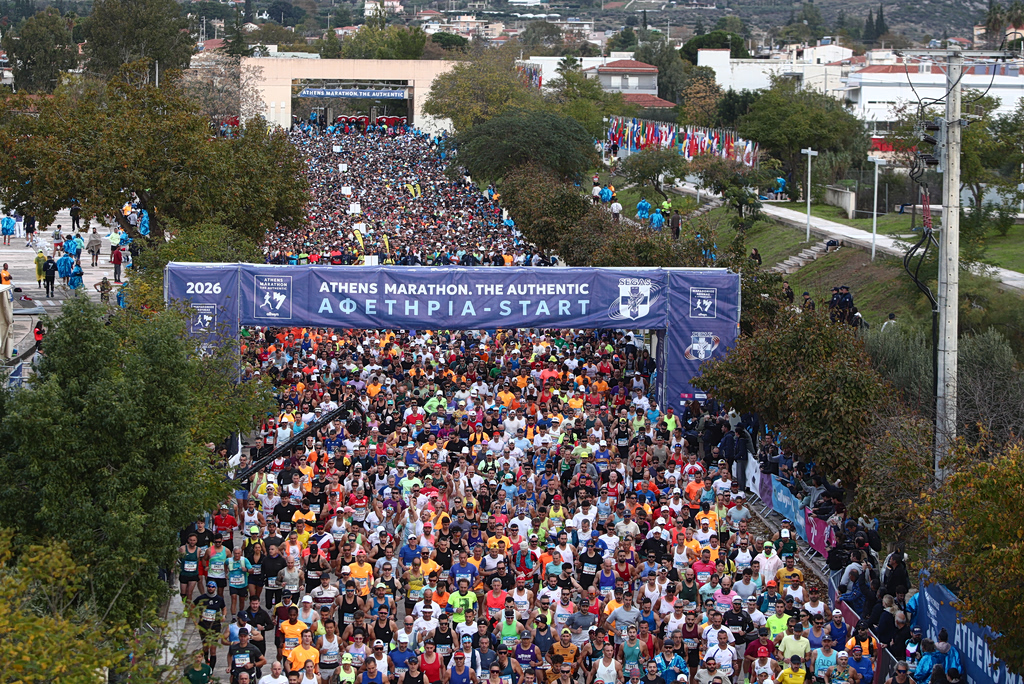
The 42.195 kilometres of a marathon demand preparation, persistence and endurance. The distance inspires awe. But it is not the whole story of an event that brings together people of different ages, abilities and aspirations. Alongside the full marathon are shorter races, the five and ten kilometres, and within each distance, many different personal challenges. There is no reason to judge them all by the same measure.
For one runner, the goal is performance. For another, it is taking part, companionship, or returning after a difficult period. The stopwatch records elapsed time precisely. It cannot record how much fear someone had to work through simply to reach the starting line. Nor can it capture what it means to finish a distance that someone else considers easy.
Even before the race begins, that inner negotiation is already under way. Will I last? Am I ready? What if I cannot do it? People do not divide neatly into those who are afraid and those who dare. Often, they are the same people. And courage does not remove the need to listen to your body. A society that recognises only the act of pushing beyond our limits, while treating those limits as shameful, does not truly encourage its people. It asks them to prove their worth without end.
We often speak of life as a race in which the most capable are rewarded. Yet we fail to examine the conditions under which people take part. Who has time to train? Who has a safe place to exercise, access to care when injured, someone to take over their responsibilities for a few hours? Willpower matters. It cannot make up for everything that is missing.
This extends far beyond sport. At work and in education, judgements about results are often detached from the opportunities each person had to achieve them. Acknowledging these differences does not diminish the effort of those who excel. It means refusing to use their success as proof that everyone else simply did not try hard enough. Personal responsibility has substance when it does not become an alibi for the absence of collective responsibility.
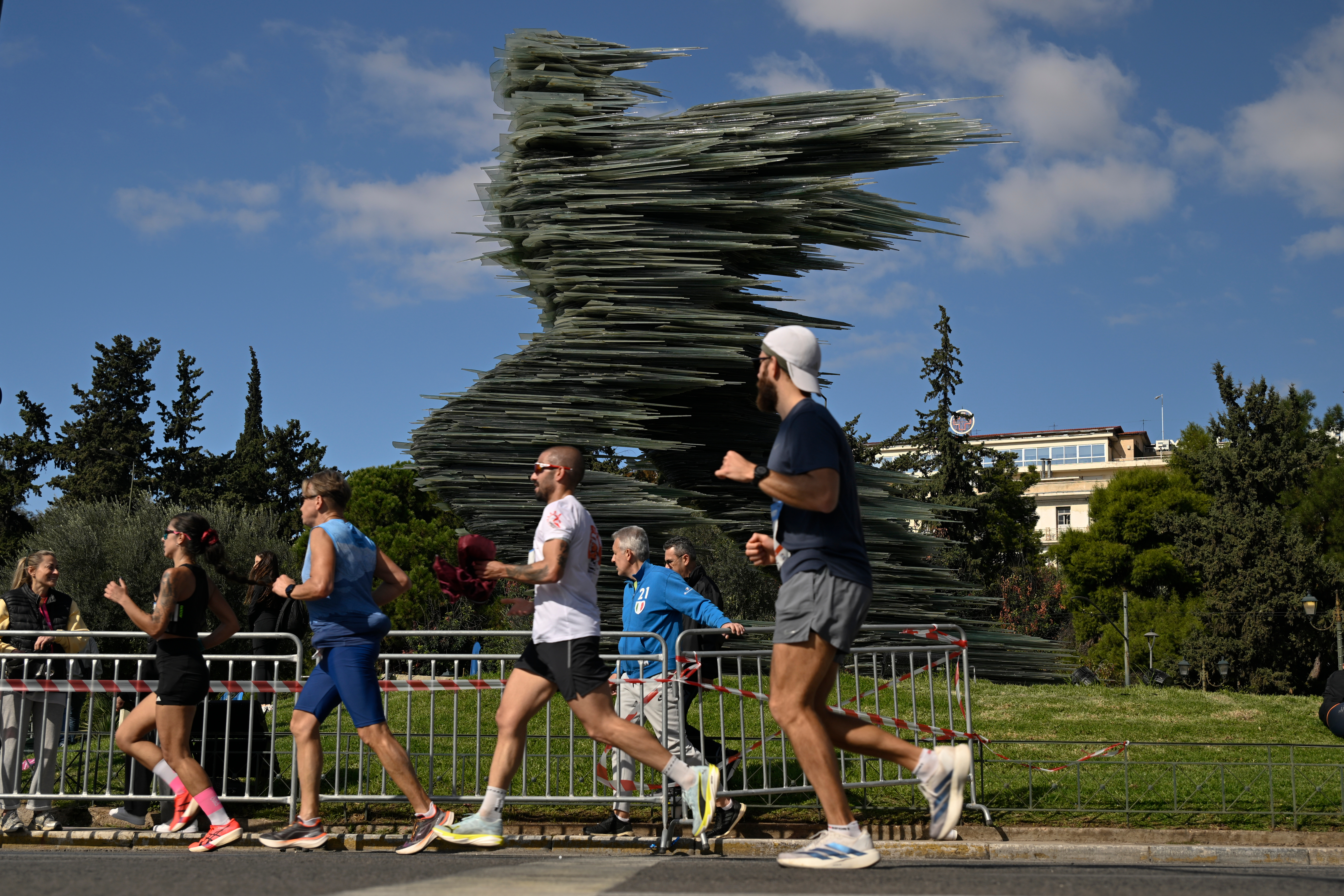
As I ran today, I watched strangers supporting one another. People absorbed in their own effort, yet still finding room to care about the person beside them. A constellation of solidarity. They did not necessarily know one another’s stories; sharing a challenge was enough. Wanting to succeed did not stop them from wanting someone else to succeed too.
I would not romanticise a race as a society without competition or exclusion. There is, however, something very specific worth holding on to: encouraging others takes nothing away from our own performance. Why do we find this so difficult to accept outside sport? Why is another person’s progress so readily seen as a threat, while their struggle is treated as their concern alone?
Solidarity, of course, cannot depend solely on the goodwill of those present. It also requires public policy choices. Free, accessible spaces for exercise, safe routes, opportunities for people with disabilities to take part. A city does not prove its commitment to sport merely by hosting a major event. It proves it the following day too, when a resident wants to walk or run without feeling that there is no place for them in public space.
At the Kallimarmaro, the Panathenaic Stadium, these thoughts take on a deeply emotional dimension for me. Entering it brings a sense of awe at its history and all it represents. Yet amid all this, it is the simplest human moments that move you. The laughter, the tears, the embraces. People waiting to congratulate someone they love. Others searching for a familiar face, perhaps hoping that someone will be there. Crossing the finish line may be a personal achievement, but the need to share its joy connects you to others once again.
Today I ran ten kilometres rather than the marathon I had planned. After my road accident, what I needed was to feel that I was finding my way back, that fear would not dictate every next step. The friends who supported me and the mutual encouragement around me mattered more than my time. I mention this because behind many race numbers there may be an equally invisible need. We cannot know what someone is overcoming simply by watching how fast they move.
Small victories matter, especially when everyday life leaves little room for a sense of achievement. But they must not become an excuse to demand ever greater endurance from everyone. Teaching people to withstand everything is not social progress. Progress also means having less to endure, being able to ask for support without shame, having room to begin again.
We can come away from a race with a medal and a photograph. But we can also hold on to the way we looked, for a moment, at the stranger beside us. If, at the finish line, we recognise the value of even the last runner’s effort, why do we so readily accept a society that leaves those who struggle to face it alone?