 Μake us preferred on Google
 You may have noticed it on social media, after an exhausting day at work, half-asleep, you scroll through your phone dipping into other people’s lives. More and more people, instead of drinking at bars, are pouring wine at their own kitchen table, surrounded by board games and scattered LEGO bricks.
Home-based pastimes are once again part of everyday life, and the fleeting snapshots on Instagram and Facebook groups confirm it. Financial constraints, the need for a small escape from the ordinary, and the irresistible pull of nostalgia — all together or separately — are drawing people to the living room, with friends and family, to build Star Wars spaceships or roll dice trying to get out of jail. But when exactly did we trade going out for LEGO and board games?
“We share stories, memories, enthusiasm”
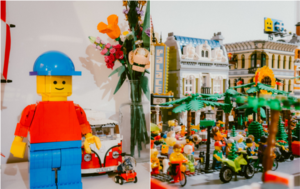
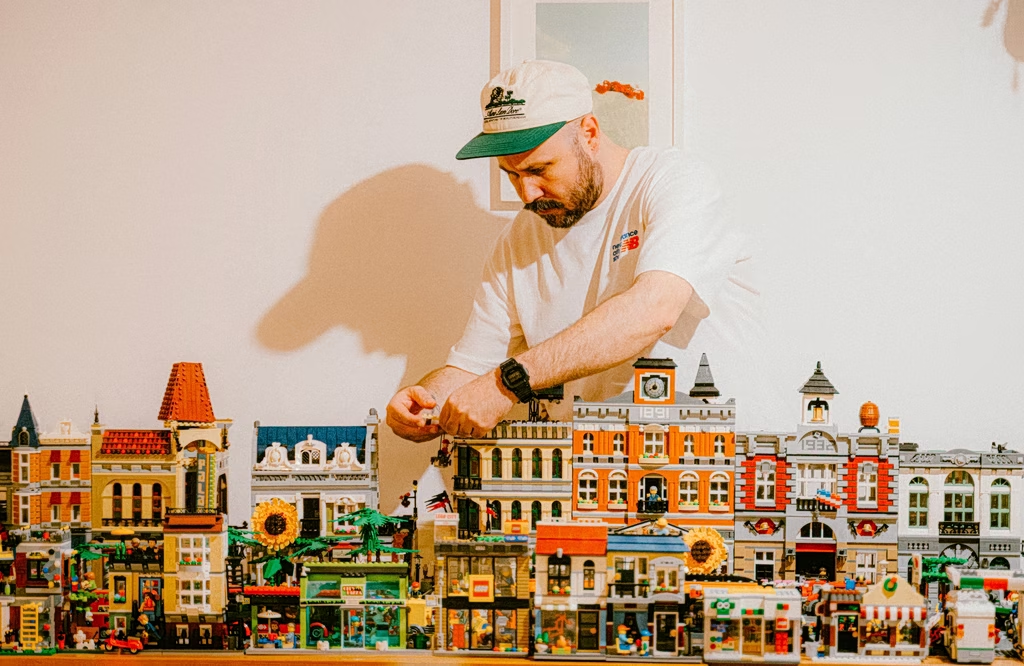
Stamy Papadomanolakis, admin of the Facebook group Lego Greece BST with over 8,000 members, first got involved with the colorful bricks of childhood back in 1990, when he spotted a LEGO spaceship in a toy shop window. “That was the first ‘click.’ I realized you can build entire worlds with your own hands.”
The Facebook group was born from a simple need: to have a digital space where people who truly love LEGO could meet, speak the same “language,” and help one another. “It works like a living community of collectors: trades, purchases, old and rare sets, as well as new ones that are often no longer available in stores. We share stories, memories, and enthusiasm.”
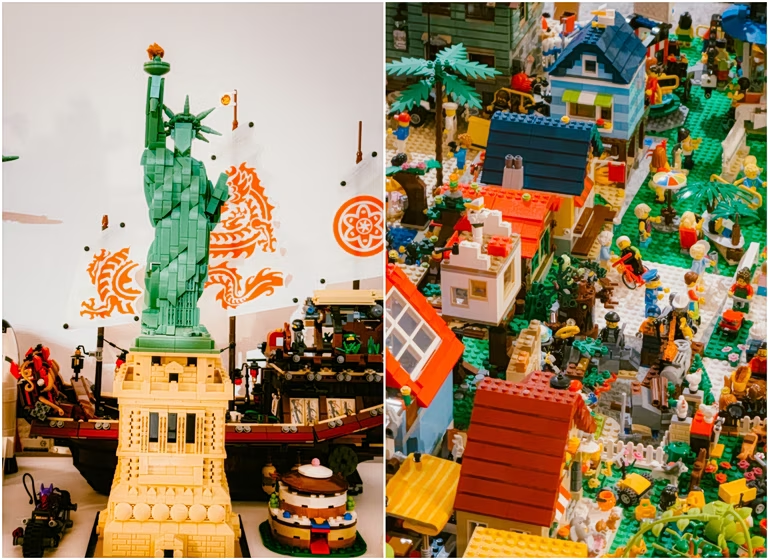
Now 41 years old, Stamy remains active in the world of LEGO and considers himself a collector. His building team has recently gained one more member: his two-year-old daughter. “For me, all of this has no age, just phases. When you’re a child, it’s like a game. When you grow up, it becomes a creative outlet, and when you become a parent, it turns into a bridge with your child.”
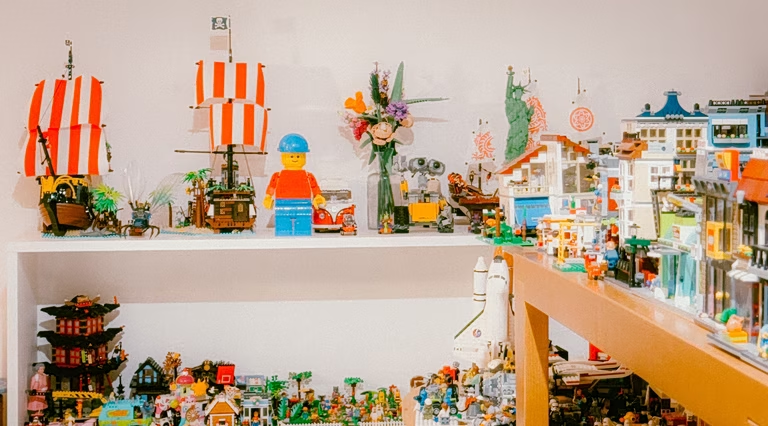
Has there been a rise in LEGO activity in recent years? According to Stamy, yes, and it’s significant and clear. “Even though it’s not a cheap hobby, more and more people are entering the world of LEGO, starting with more affordable sets and gradually building their collection.”
Many people sought creative at-home activities during the COVID-19 pandemic. “Since then, I’ve seen through the group that interest keeps growing, mainly because LEGO is multi-dimensional and covers a huge range of themes. The age group is mostly 18+, with the most engaged audience being 25–50.”
The return to traditional — or more authentic — pastimes, ones that make us put our phones down, is driven primarily by the financial situation of Greeks. “LEGO and other hobbies can be done at home, they last a long time, and overall they’re more affordable. Nostalgia plays a huge role too. In general, they combine creative outlet, quality time, and a return to a simpler era.”
“My collection has reached 4,799 board games”

“When the cost of going out has risen significantly, people look for ways to have fun without spending excessively. A board game can cost as much as a night out, but offers dozens of hours of entertainment,” says Vangelis Kefalas, founder and admin of Epitrapaizoume (“Let’s Play Board Games”), the largest Greek board game community with over 16,000 active members.
As he observes through his deep involvement with the community, there is indeed a return to more “analog” forms of entertainment. “People have grown tired of excessive screen time and are looking for something more human, warmer, more social. Board games awaken memories while also offering something completely new.”
After the pandemic, many realized how important it is to be with other people, and “board games are one of the most natural ways to do that. The economy and nostalgia are factors, but the bigger picture is that people are seeking meaningful connection and quality time that makes a difference. Playing reduces stress, brings people together, creates bonds. It’s a small act of care toward ourselves and those around us.”
Over the last six years we’ve witnessed a genuine explosion of interest in board games. “This is reflected both in the group’s activity and in the number of new titles being released in Greece and abroad.”
Vangelis Kefalas still remembers the first board game he ever played. He was a kindergartner and, not having it at home, he borrowed it from a friend and copied it piece by piece. “That childhood persistence and joy of play never left me. Today my collection has reached 4,799 board games.”
Adults aged 25–45, according to Vangelis, are looking for a way to socialize beyond screens, infinite scrolling, and bars. Children, too, develop cooperation, concentration, and emotional management skills through play, while older generations find in board games a way to keep the mind active and their social life alive. “Sitting around a table, laughing, cooperating or competing in a friendly way. It’s a small luxury.”