 Μake us preferred on Google
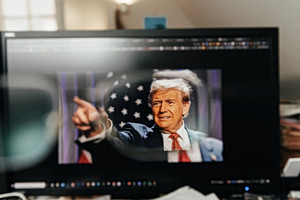
 It took Donald Trump 110 days to end the war he started against Iran. To put his signature on the Memorandum that defers a resolution of the conflict by at least two months, the G7 host, Emmanuel Macron, had to stage an elaborate performance at the Palace of Versailles.
Before that, Trump had joked upon arriving at the summit that “I am the boss.” Exploiting Trump’s narcissism, French diplomacy scored a points victory, but the question remains: what else awaits the world in the second half of Trump’s second term, after a first half that turned American foreign policy, geopolitical balances, and the global economy upside down.
From Extreme Rhetoric to Pragmatism
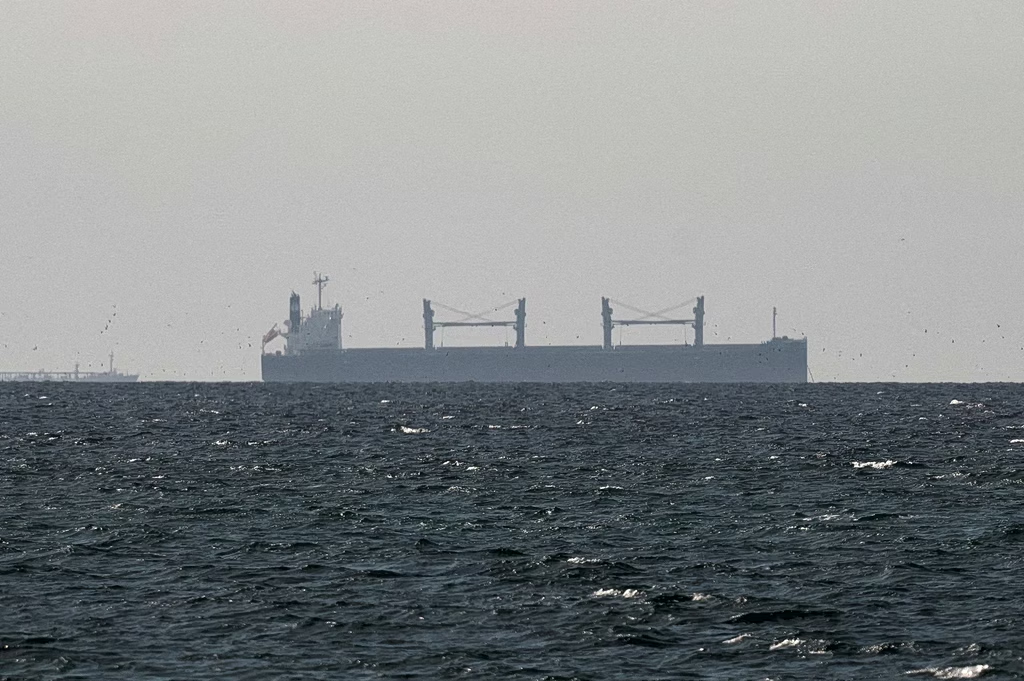
There is no question that the ceasefire in the Gulf War is a positive development. However, control of Iran’s nuclear program remains unresolved, while some of Trump’s other declared goals were quietly “forgotten” (the missile program) and others officially shelved (regime change). The extreme rhetoric gave way to pragmatism, to such a degree that Trump admitted the lifting of the Strait of Hormuz blockade, which was itself a consequence of his own war, had become an urgent necessity for the global economy. Oil reserves would have run out within a month, he said. Some analysts in the United States are calling it a geopolitical defeat larger than Vietnam.
The gradual easing of sanctions and the unfreezing of Iranian assets serve as the carrot for Tehran to honor its commitment not to acquire nuclear weapons, though a nuclear program for peaceful purposes remains in place. After all, Trump said, why shouldn’t Iran have nuclear power plants when its neighbors do? The same logic apparently applies to missiles. A further incentive is a $300 billion reconstruction fund for Iran, though much will depend on Tehran’s insistence on charging tolls in the Strait for “services” rendered to passing ships.
The White House is now hinting that Trump was “dragged” into the war by Israeli Prime Minister Benjamin Netanyahu, warning Israel not to push too far in Lebanon and signaling to his presidential ally that he faces the door if he does not comply with the demands of his only powerful backer. The peace process in Gaza, meanwhile, remains stalled. None of Trump’s grand plan for a Peace Council under his own chairmanship has advanced, let alone the transformation of the Strip into a Middle Eastern Riviera.
The billions of dollars in pledged contributions from some of the partners never materialized beyond the paper they were written on. Trump also says he will not forget the “betrayal” of the Kurds, who refused to take up arms against the Iranian regime, even though he himself had previously betrayed them in Syria in order to satisfy the plans of another friend, Turkish President Recep Tayyip Erdogan.
The American president’s vision of a “new Middle East” is tied to Washington’s broader strategy of containing China, which has in fact increased its influence in the region as Iran’s largest partner. The trade war of tariffs exceeding 100% that Trump declared last year against China has now given way to a “moratorium” endorsed during his recent visit to Beijing.
The “solution” in Iran partly satisfies the US’s European partners, but a series of serious economic and defense issues remain outstanding. On the trade front, wielding the threat of tariffs like a sword of Damocles, Trump secured piecemeal deals that, as he puts it, are filling American coffers while benefiting his business-world allies who lead efforts to maintain American primacy in cutting-edge technologies, from AI to space travel.
Trump’s transactional view of international relations has not produced tangible results in the Ukraine war either, which he supposedly would have ended in a single day. Instead he managed to get Europeans to buy American weapons to give to the Ukrainians, so they can continue the war of attrition against the Russians. Trump secured agreements for American companies to exploit Ukraine’s underground resources, insists that President Volodymyr Zelensky does not hold “strong cards,” and now says he will devote more energy to dealing with Vladimir Putin.
The “America First” doctrine is creating cracks in NATO as the Pentagon has begun implementing plans to reduce the American military presence in Europe. The White House secured allies’ commitments to raise defense spending to 5% of GDP, but Trump has not walked back his threats to annex Greenland, which belongs to Denmark. His close associates persist in their narrative about Europe being overrun by immigration and interfere in allies’ internal affairs by betting on the rise of the far right, something the United States may pay a heavy price for in the future.
The only achievement Trump can genuinely boast about is the ouster of Venezuelan President Nicolas Maduro. After the failure of an analogous plan in Iran, which showed that there are limits to the power even of the world’s most dominant leader, one might have expected Trump to show more restraint. “I haven’t learned that lesson yet. I know there are limits, but for me there aren’t,” the American president declared, just as clouds of a possible American intervention in Cuba are gathering. Trump may push to accelerate it, searching for a win after his major defeat in Iran.