 Μake us preferred on Google
 The Acropolis was busy last week, as it almost always is, especially now that crowds of tourists have started to descend en masse on the city. A young woman in a wheelchair was among the thousands of visitors who wanted to enjoy the emblematic monument. She made her way to the elevator to the top of the Sacred Rock, where she spent some time taking in the sights and the view that stretches on clear days all the way to the port of Piraeus. By the time she was ready to leave, the elevator had stopped working. The fire service had to be called to bring her down.
This was not an isolated incident. Similar episodes occurred last summer, drawing sharp criticism from licensed tour guides who have grown increasingly vocal about the state of the site, claiming that the conditions are far from fit for purpose.
“The elevator works two days out of seven, if that,” said Tzemma Oikonomopoulou, president of the Association of Licensed Tourist Guides. She said the chronic unreliability effectively shut people with disabilities out of the site, something she described as unacceptable.
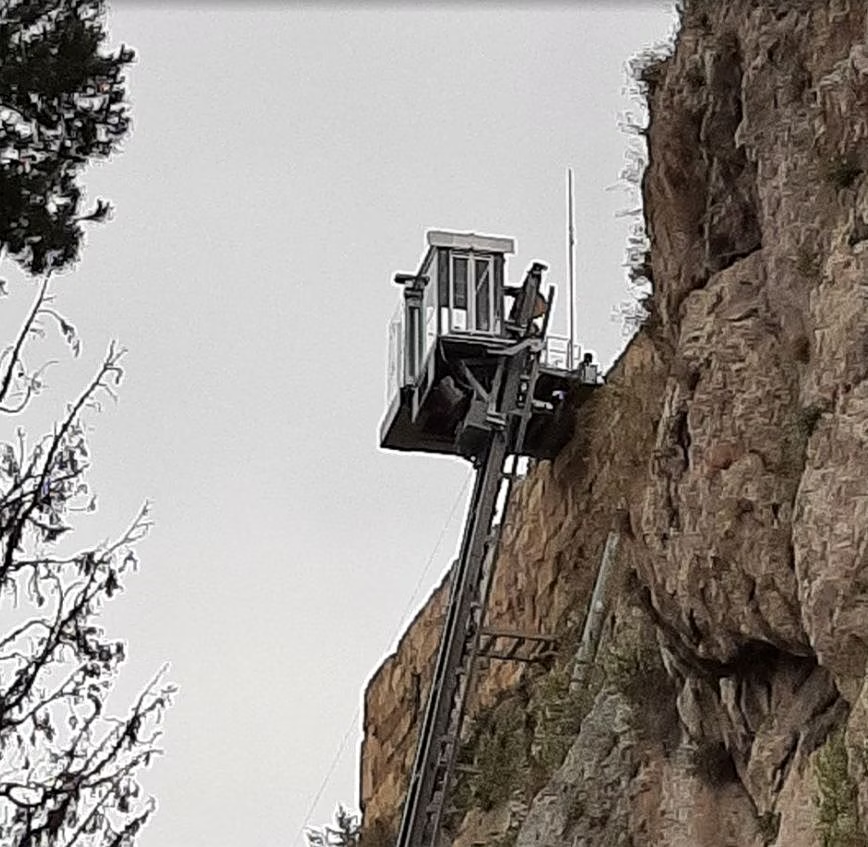
The elevator problems compound an existing indignity: even when the lift is functioning, guides accompanying visitors with disabilities are not permitted to use it. The result is that tourists arrive at the top at least 15 minutes ahead of their guides, who must climb on foot, often arriving out of breath as they run to make sure they are there for the people they are assisting.
The battle of the bathrooms
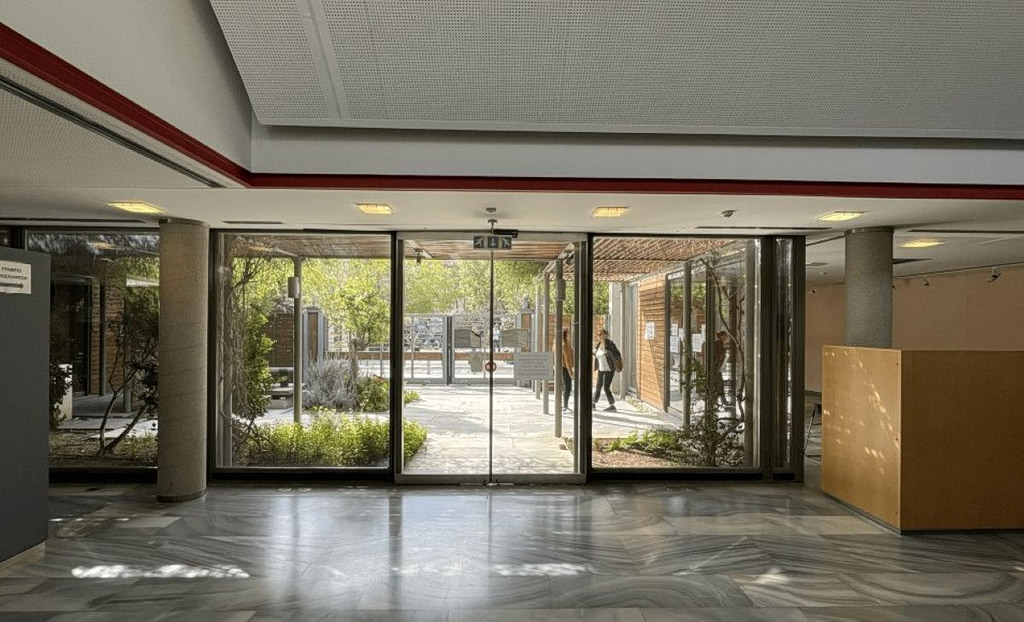
The toilets inside the archaeological site, located in the old Acropolis Museum building which is still under renovation, are out of service. Visitors who need to use a bathroom must exit the site entirely and walk to the facilities near the entrance. The catch: once a ticket is scanned at the gate, it is invalidated, meaning there is no re-entry on the same ticket. Anyone who leaves faces a difficult choice: buy an entirely new ticket at €30 and rejoin what can be a considerable queue, or try to get their original ticket reissued. Even the latter option carries a risk — by the time they get back in, their assigned entry slot, the timed admission window the site uses to limit congestion, may have already passed.
As if that were not enough, the toilets outside the entrance offer little relief either. Long queues form for both men and women, with most stalls out of service due to technical failures.
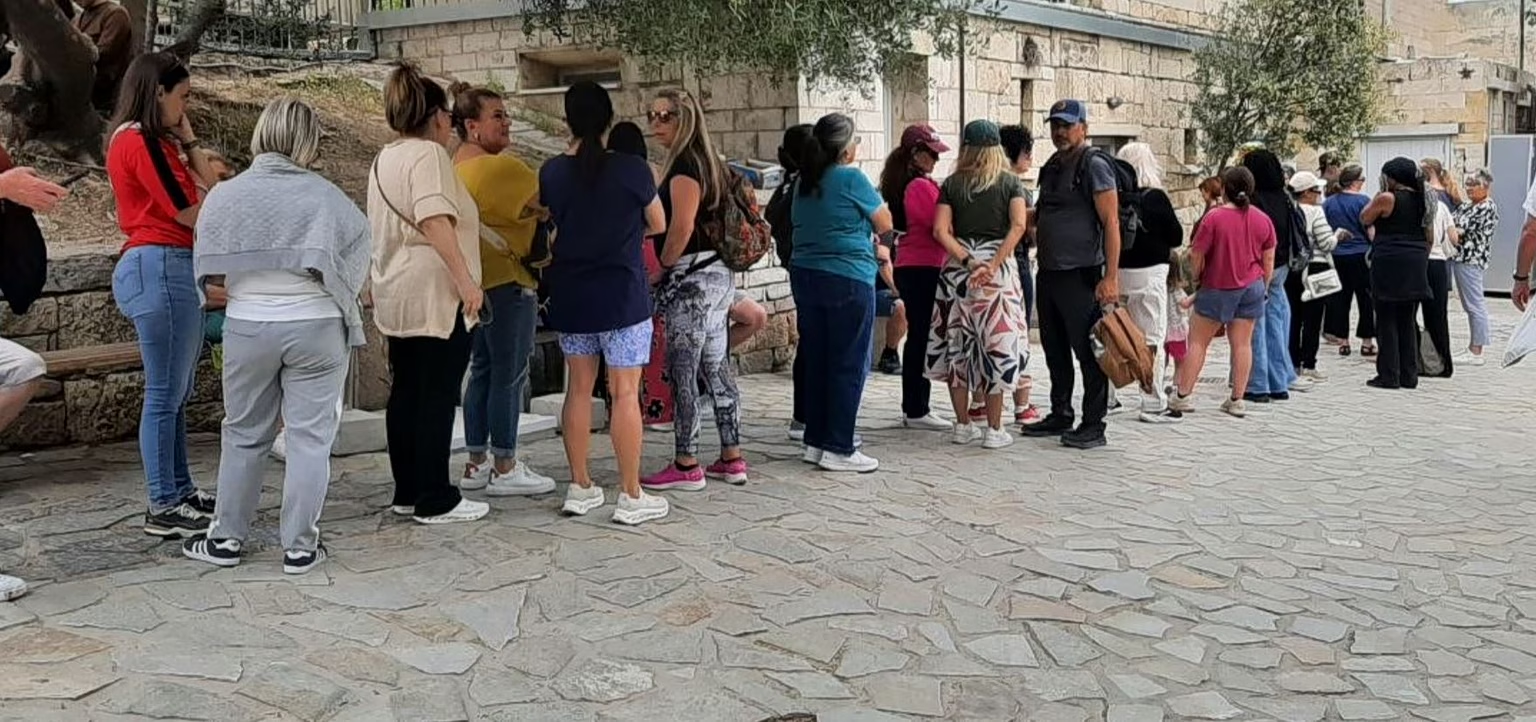
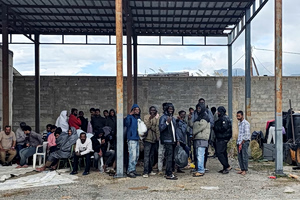
Long queues outside the women’s restrooms near the entrance to the Acropolis.
“Over the past few years, visitor numbers have gone through the roof, driven in part by cruise tourism. When some of these big ships come in, especially in the summer, you can get three to five thousand tourists arriving at an archaeological site all at once. The pressure on facilities is enormous,” Oikonomopoulou said.
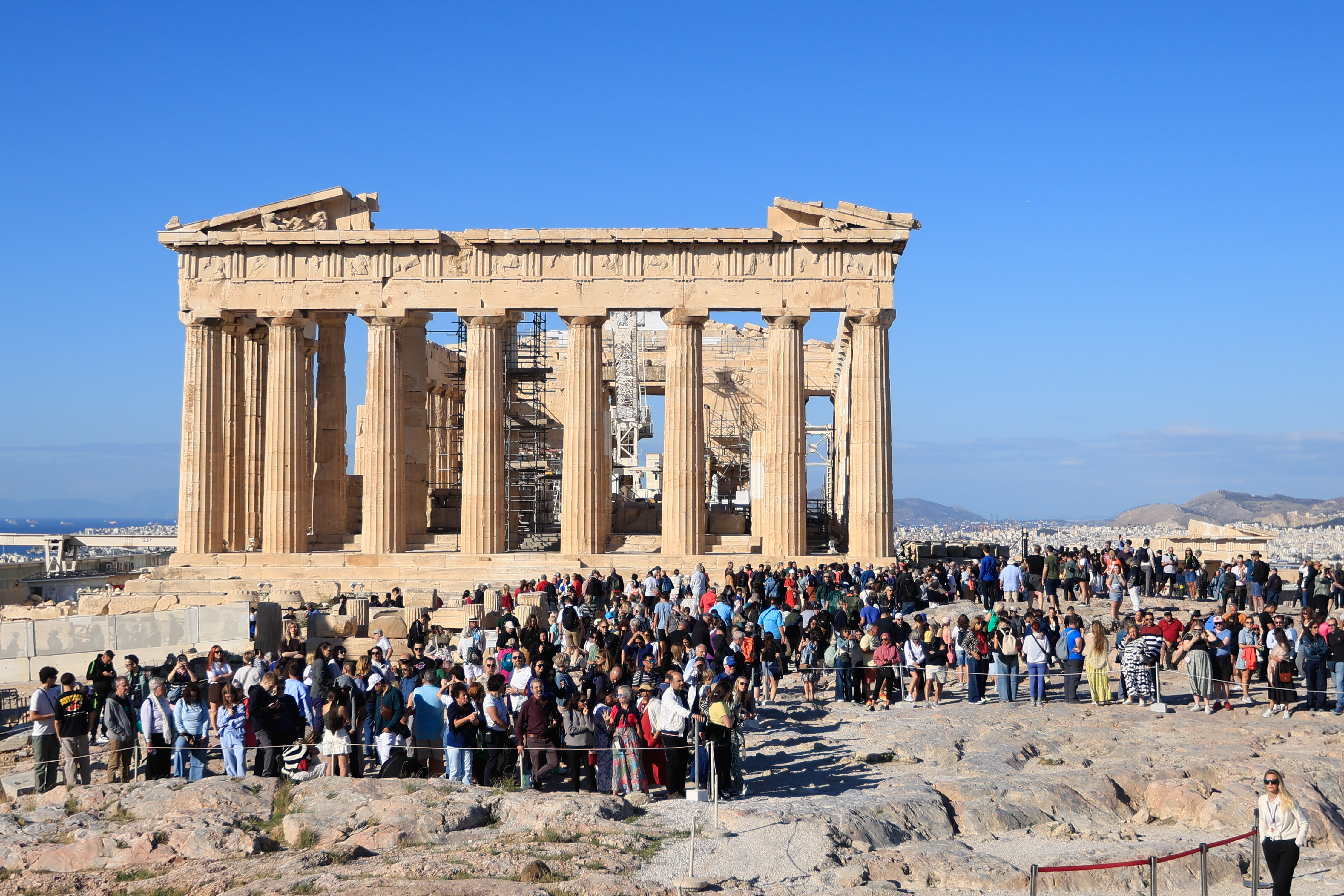
To Vima visited the Acropolis to see the situation firsthand. Queues were long, both at the ticket booths and at the external toilets, and this was still the beginning of the tourist season. “What you’re seeing today is considered normal,” Oikonomopoulou observed.
The site was crowded throughout. From the first entrance, before the ticket booths, all the way up to the Parthenon, where restoration work is ongoing, visitors packed every path. Elderly tourists, families carrying young children (strollers are banned due to congestion), people on crutches or in wheelchairs, school groups, and tour groups of every size all made their way across the ancient hill, taking selfies and filming videos to post on social media.
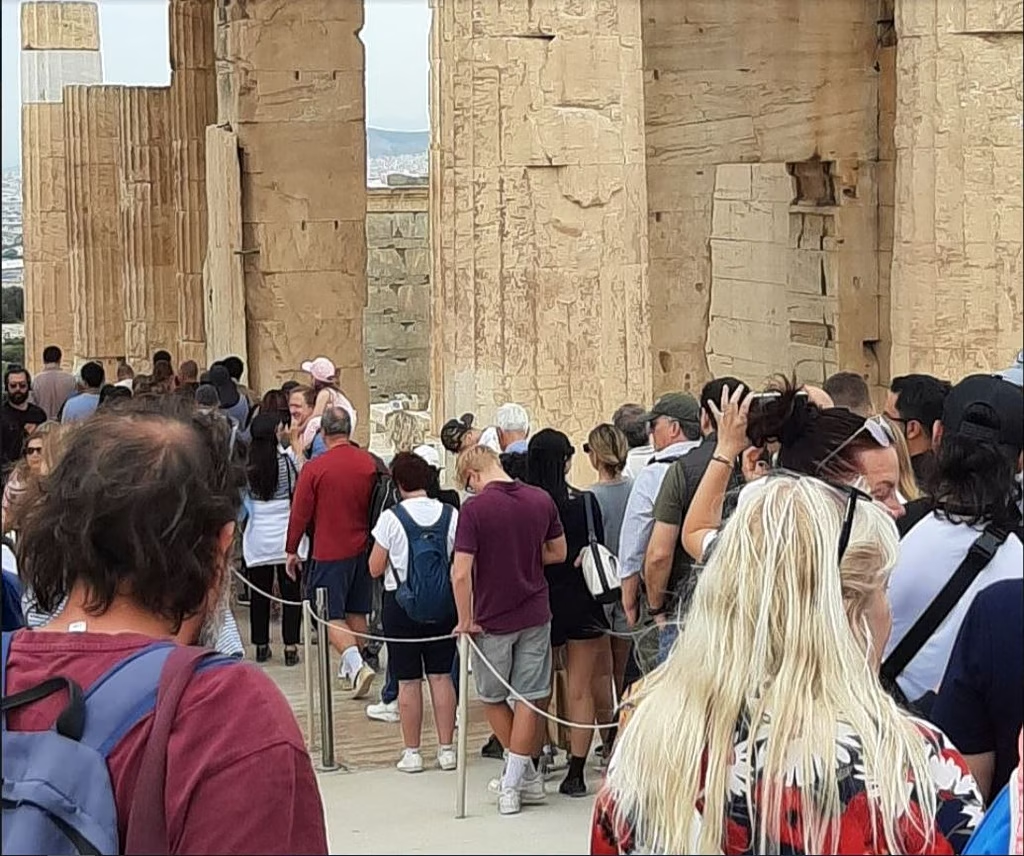
Dangerous gaps
The paved pathway installed roughly four years ago, which drew significant criticism at the time for its appearance, has improved access to the Sacred Rock for visitors with mobility difficulties. However, in several places the path has large gaps that pose a real risk of falls and injury.
The site’s small number of guards were seen rushing to assist visitors in need, direct those without guides, and remind people that smoking is prohibited and that even carrying an unlit cigarette is not allowed.
“A thriller in progress”: Delphi and Spinalonga
Similar problems, particularly with toilets, affect other major archaeological sites. At Delphi, construction work on the ticket office and gift shop has been underway for roughly two years. Oikonomopoulou describes the situation there as “a thriller in progress.”
“Last summer, metal panels blew off the construction site and injured a guide and a tourist. Another day, a boulder came loose and fell near a guide. People were terrified and shouting ‘rock, rock.’ Today, additional structural reinforcement work is being carried out while the site remains open to visitors,” she said.
Her colleague, guide Kriton Piperas, highlighted the toilet problem at Delphi. “It is not acceptable that during tourist season there is no toilet available for visitors at Delphi. People arrive and go back and forth. They want to start at the archaeological site and end up walking in the opposite direction, going all the way to the museum just to use the bathroom and then coming back.”
At Spinalonga, the former Venetian fortress and leper colony on Crete made internationally known by Victoria Hislop’s novel “The Island,” construction began roughly two months ago on a new ticket office and gift shop. Work is proceeding with the site open.
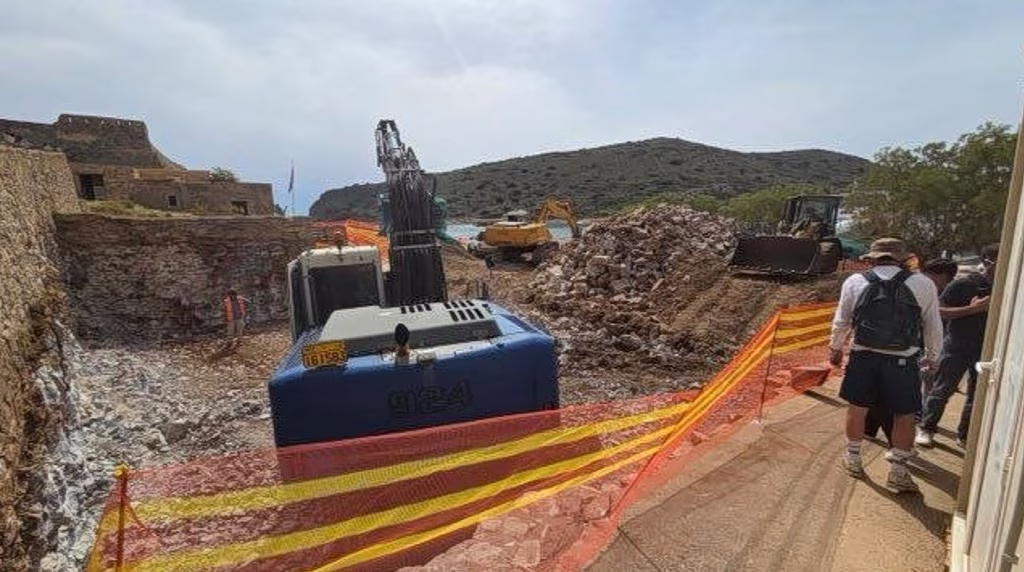
Spinalonga
“The boatmen are complaining because they have nowhere to moor,” Oikonomopoulou said. “Visitors are crowding onto one section of the jetty while machinery is operating right alongside them. I am afraid there is going to be an accident.”