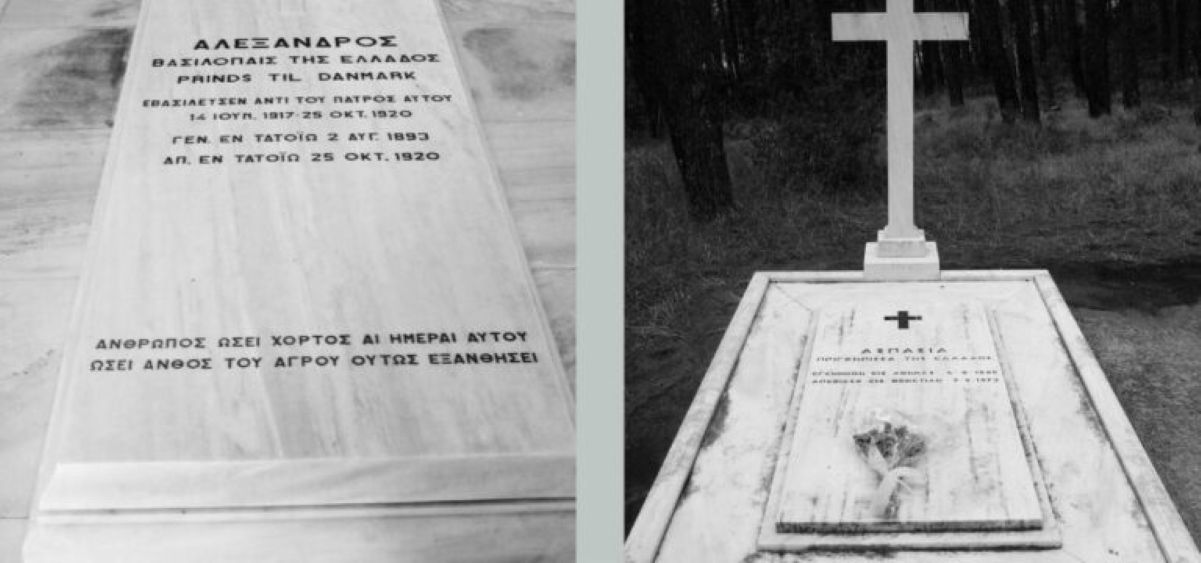
In the long and often turbulent history of European monarchies, dramatic tales abound — assassinations, coups, deaths on battlefields or in the shadowed chambers of palaces. Yet few episodes are as strange, or as consequential, as the death of King Alexander I of Greece, who died in the autumn of 1920 at just 27 years old, following a bite from a monkey at the royal estate of Tatoi. The story still astonishes today, not only for its sheer improbability, but for the political earthquake that followed. Within weeks of the young king’s death, Greece’s political balance collapsed, Venizelos‘s government fell, the exiled King Constantine I returned to the throne, and the country’s path toward the catastrophe in Asia Minor accelerated dramatically.
Alexander was born in August 1893, the second son of King Constantine I and Queen Sophia. No one imagined he would ever wear the crown. History, however, had other plans.
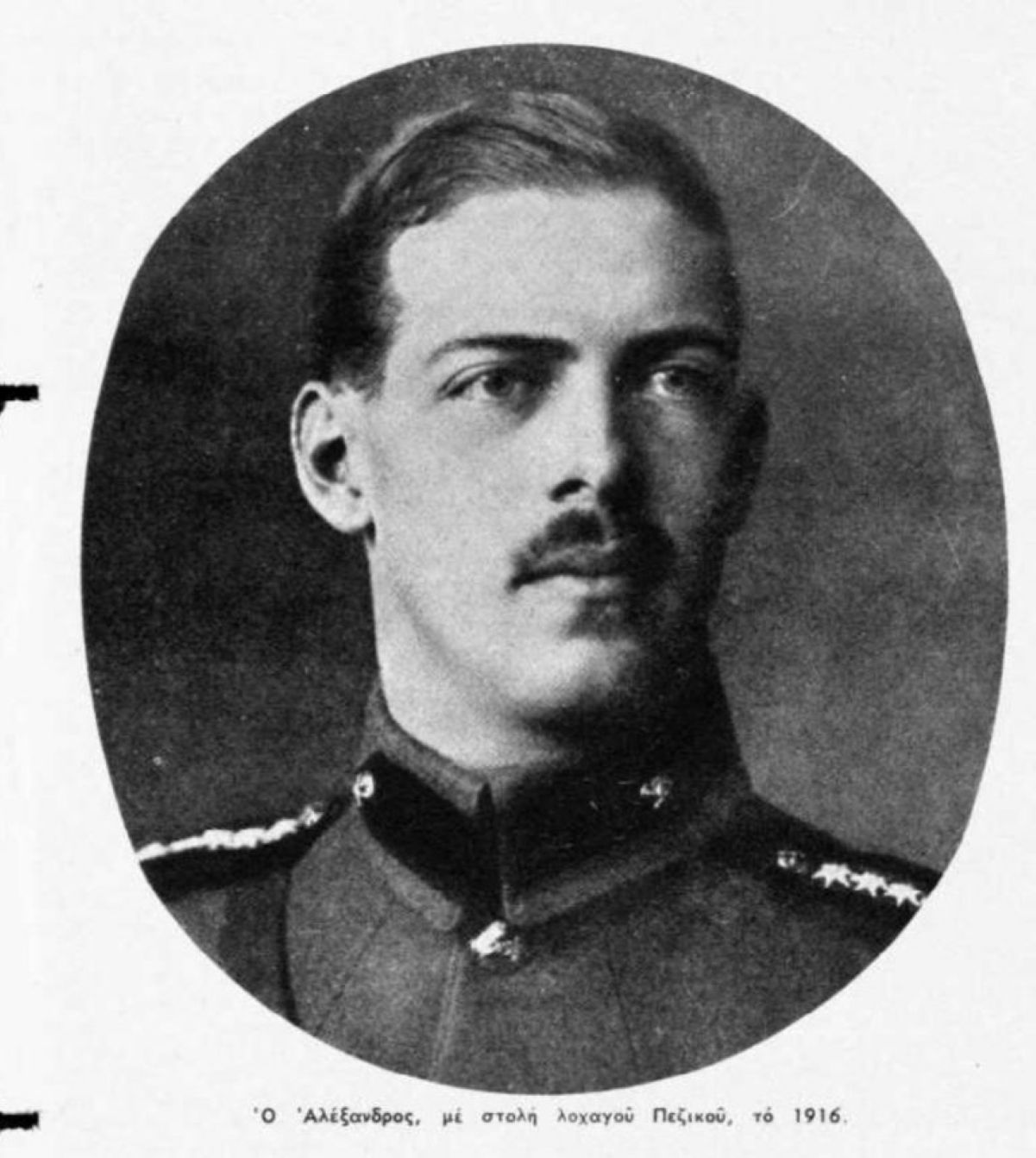
«TACHYDROMOS», 18.8.1972, Historical Archive «TO VIMA» | «TA NEA»
Greece in the early twentieth century was consumed by the National Schism. On one side stood Prime Minister Eleftherios Venizelos, a fervent advocate of joining the First World War alongside the Entente. On the other stood King Constantine, who insisted on neutrality — a stance the Allies regarded as tacitly pro-German. The crisis came to a head in 1917: under pressure from the Allied powers, Constantine left Greece without formally abdicating. The Allies, unwilling to see the throne pass to his eldest son George, turned instead to the second son: the 24-year-old Alexander.
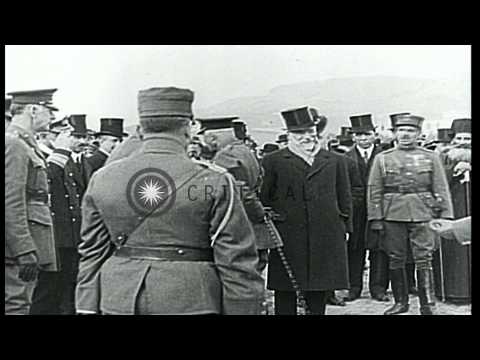
The young prince suddenly found himself on the throne of a deeply divided nation — king in name, but confined in practice to a largely symbolic role. Despite these constraints, Alexander won genuine personal popularity. Athletic, outgoing, and fond of automobiles and speed, he carried himself with a spontaneity rare among royals. Friends often recalled him slipping away from the palace for nights out in Athens.
A Love Affair That Scandalized the Court
In his private life, Alexander showed a stubbornness seldom found among the blue-blooded. He fell in love with Aspasia Manos, the daughter of an army officer from an old Athenian family — but to the European aristocracy of the time, she remained a mere commoner.
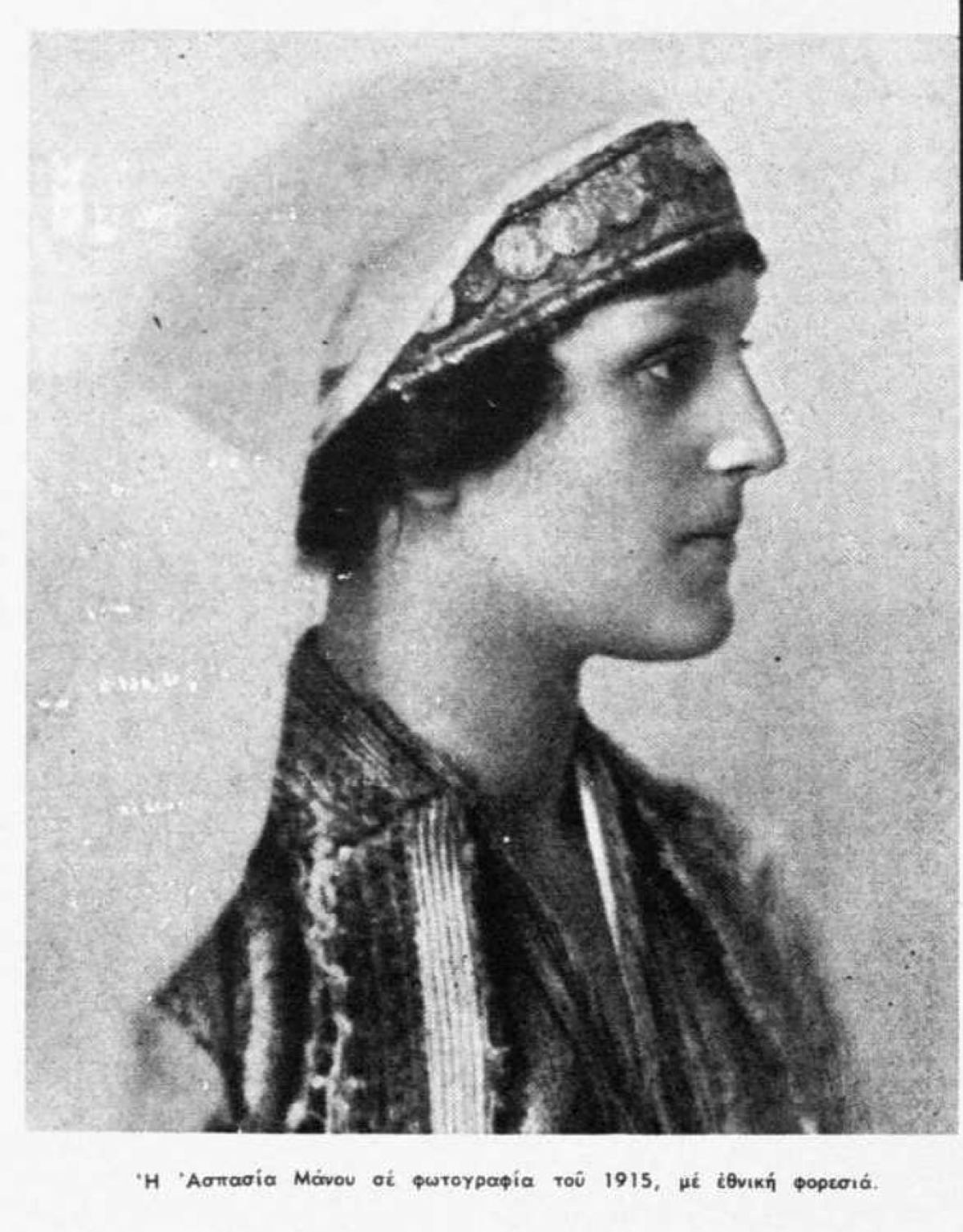
«TACHYDROMOS», 18.8.1972, Historical Archive «TO VIMA» | «TA NEA»
The pressure to end the relationship was intense. Venizelos himself tried to steer the king toward a dynastic marriage, proposing Britain’s Princess Mary. Alexander would not be moved. In November 1919, the couple married in secret, before only a handful of witnesses. The union was deemed morganatic and provoked a storm of controversy: the government refused to recognize Aspasia as queen, forcing the young woman to leave Greece temporarily. Alexander followed her to Paris, and the couple later returned to settle at Tatoi, far from the center of political life.
By the summer of 1920, Aspasia was pregnant with their first child.
The Day That Changed Everything
On the morning of September 17, 1920, the king went for his usual walk around the Tatoi estate, accompanied by his beloved wolfhound, Fritz. Various animals lived in the estate’s gardens, among them two Barbary macaques — one tethered, the other roaming free.
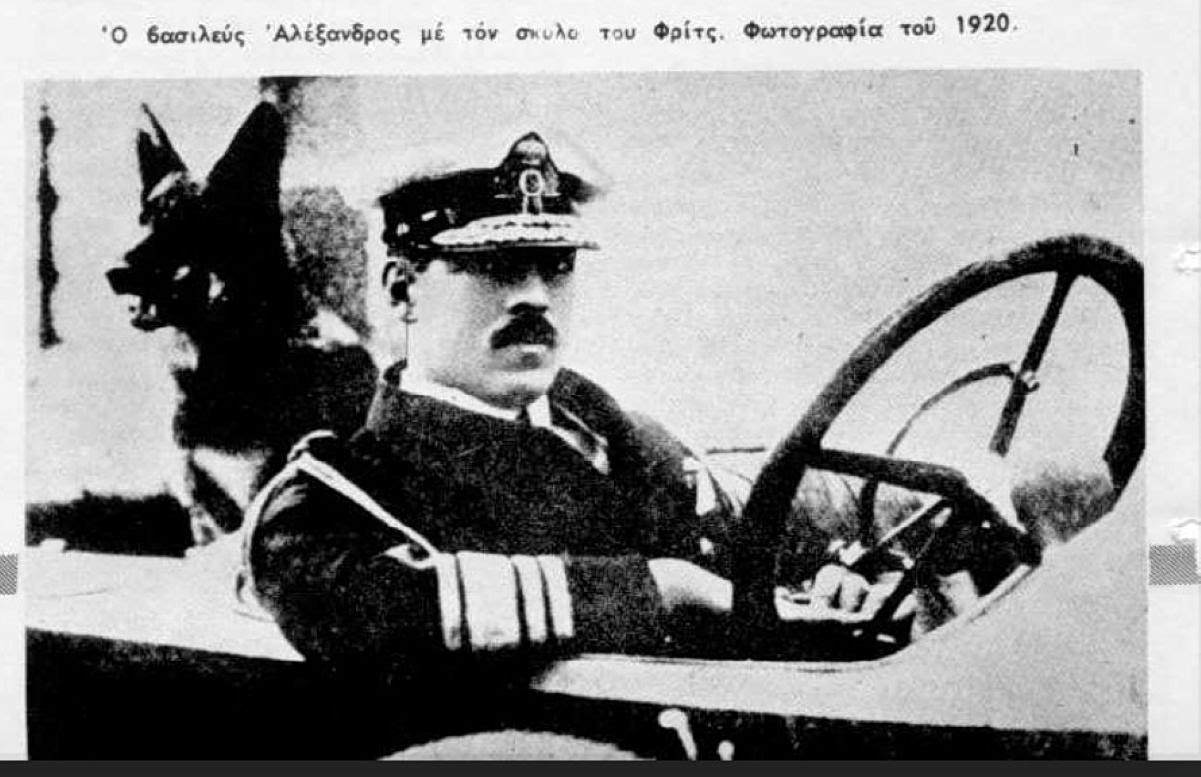
«TACHYDROMOS», 18.8.1972, Historical Archive «TO VIMA» | «TA NEA»
At some point, Fritz lunged at the female macaque. Seeing this, Alexander rushed to separate the animals. The male macaque then appeared and, attempting to defend its mate, attacked the king, biting him forcefully on the calf. When Alexander tried to pull the animal away, he was bitten a second time, on the hand.
The pain was sharp, but no one believed the incident would turn into tragedy. Professor of surgery Konstantinos Merminghas arrived at Tatoi shortly afterward. The wounds were cleaned with alcohol and gasoline — a common antiseptic of the era, used for treating battlefield injuries. Merminghas noted at the time that the wound “inspired no concern.” The assessment would prove fatally wrong.
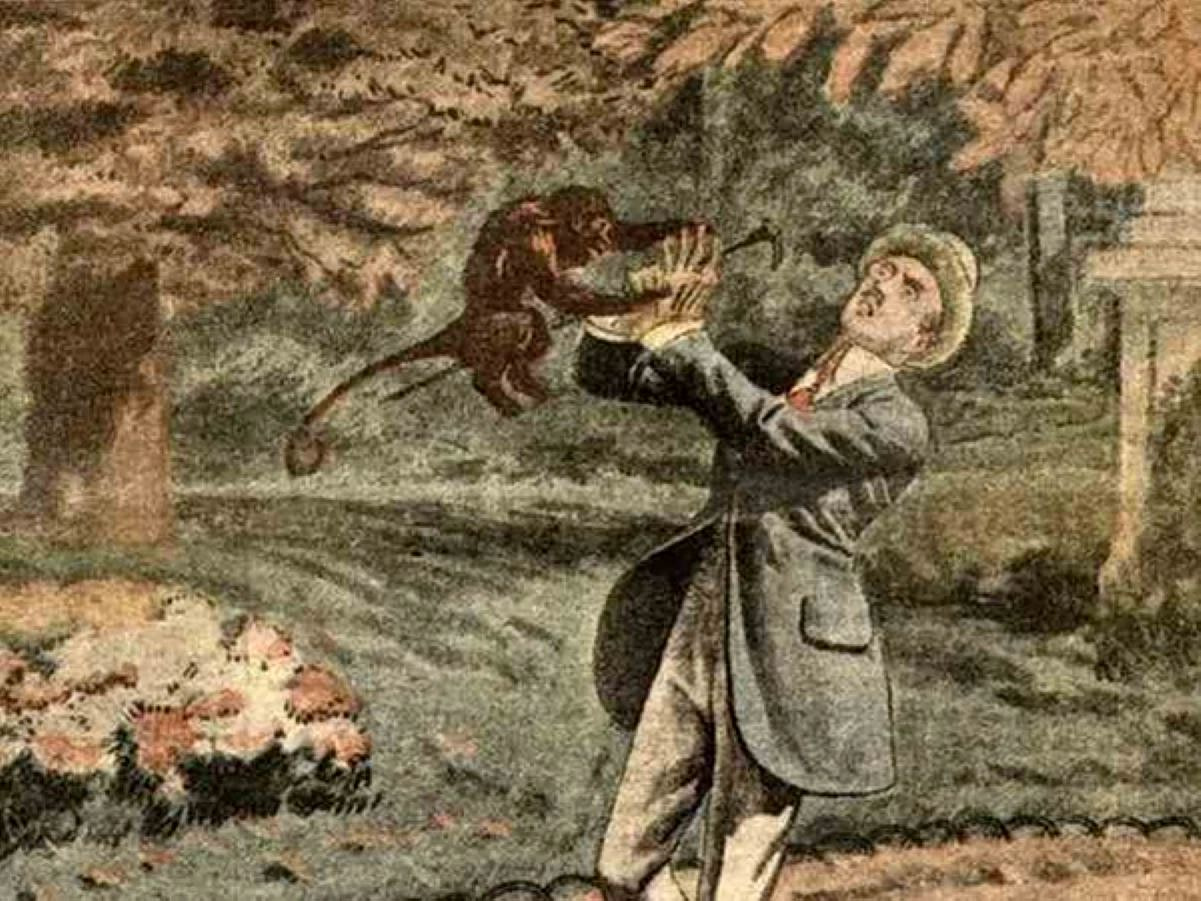
In the days that followed, the king’s condition deteriorated sharply. He developed a fever, and the wound became severely inflamed. A medical council convened and diagnosed a streptococcal infection. One of its members, Gerasimos Fokas, proposed immediate amputation of the leg to halt the spread of infection — but the suggestion was rejected almost at once. On Venizelos’s orders, two eminent French physicians were summoned. Their efforts, however, could not stop the infection’s advance. Sepsis had already taken hold. On the night between October 11 and 12, Alexander slipped into a coma.
The official medical bulletin recorded the moment of death: His Majesty passed away at around 4:12 in the afternoon.
He was only 27 years old.

A Funeral Without His Parents
The funeral was held at the Metropolitan Cathedral of Athens. His parents were not permitted to attend — they remained in exile.
Aspasia was widowed at 25. Five months later, on March 25, she gave birth to their daughter, Alexandra.

Political Aftershocks
Alexander’s death triggered a chain reaction. In the elections of November 1920 — just a month after the 27-year-old king’s death — Eleftherios Venizelos was defeated and left the country.
A regency was temporarily entrusted to Admiral Pavlos Kountouriotis. The new government then called a referendum on the return of King Constantine I, who came back to Greece that December.
Constantine’s return carried serious international consequences. Widely regarded by the Entente powers as pro-German, his restoration bred deep distrust in Paris and Rome. In its wake, France and Italy distanced themselves from Greek policy in Asia Minor and began cultivating ties with Mustafa Kemal Atatürk — in some cases providing him with indirect military assistance or logistical support, gradually shifting the balance of power in the region.
At the same time, the new Greek government chose to continue and even escalate the Asia Minor campaign, even though much of the electorate had voted in the expectation that the war would end. Greece thus found itself waging an extensive military operation deep in Anatolia, stripped of the diplomatic backing Venizelos had secured only months earlier through the Treaty of Sèvres.
Within this altered political and international landscape, the Greek military effort grew increasingly isolated, and the balance of power tilted steadily toward the Kemalist movement. Two years later, in August 1922, the Greek defense collapsed — leading to the catastrophe in Asia Minor.