 Μake us preferred on Google
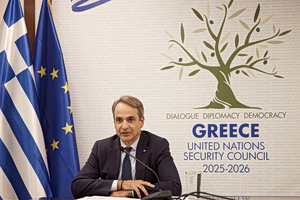
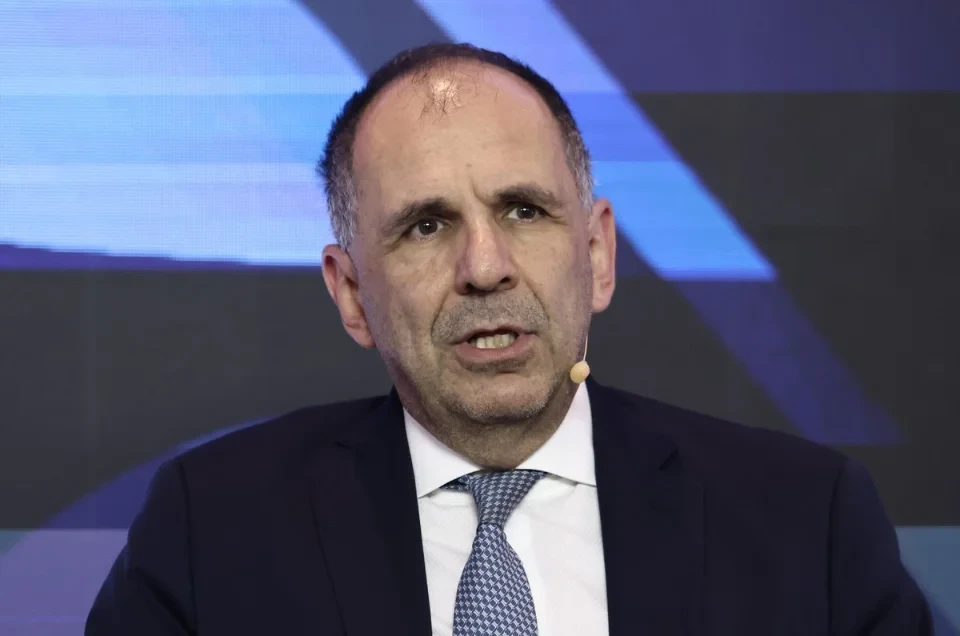
Greek Foreign Minister George Gerapetritis warned Wednesday that Turkey would face a response from Athens if it attempted to obstruct work on the planned electricity interconnector between Greece and Cyprus.
Gerapetritis said Greece had prepared scenarios to address any possible interference and emphasized that the project would proceed if the relevant authorities issued a positive assessment.
“Everyone bears the responsibility for their actions. If Turkey attempts to obstruct it, it will find Greece standing against it,” he said.
The minister also discussed the U.S. midterm elections, Greek-American relations, the Turkey-Libya maritime agreement and the possibility of European Union sanctions against Ankara.
Greece says it is prepared for possible Turkish interference
Gerapetritis said the request concerning work on the electricity cable was currently under review, as is standard for applications involving marine surveys and cable projects.
The relevant committee is expected to issue its assessment in the coming days. If its recommendation is positive, the project will move forward, he said, adding that there was no reason for it not to proceed.
Asked what Greece would do if Turkish frigates intervened, as they did during a similar episode in 2024, Gerapetritis said he did not expect such a scenario but stressed that Athens was prepared for all eventualities.
He added that plans were in place to address any obstruction, expressing confidence that the French company involved in the project and the French government had also made their own preparations.
Turkey would also face the European Union, he said, because the project receives European funding.
“A country that aspires to become part of the Union while simultaneously obstructing European projects is, as you can understand, closing the door on itself,” Gerapetritis said.
Gerapetritis says EU sanctions against Turkey remain an option
Addressing the Turkey-Libya maritime memorandum, Gerapetritis rejected criticism from opposition parties and argued that the agreement had not produced practical consequences.
He said Libya’s cooperation with U.S. energy company Chevron had effectively put Greek positions into practice.
“The Turkish memorandum is a disregard for international law of the sea. The fact that the international community rallied against Turkey’s illegality is important for us,” he said.
The minister also disclosed that technical discussions were beginning on extending the Greek-Egyptian agreement, expressing confidence that progress would be made soon.
Asked whether the European Union could impose sanctions on Turkey, Gerapetritis said Athens retained the option of requesting their activation.
“Sanctions will be activated at Greece’s request when the appropriate time comes,” he said.
He also said extending Greece’s territorial waters remained an option available to the country.
“It is in Greece’s arsenal and will happen when the Greek state decides,” he said.
Greek-American ties will outlast US election cycles
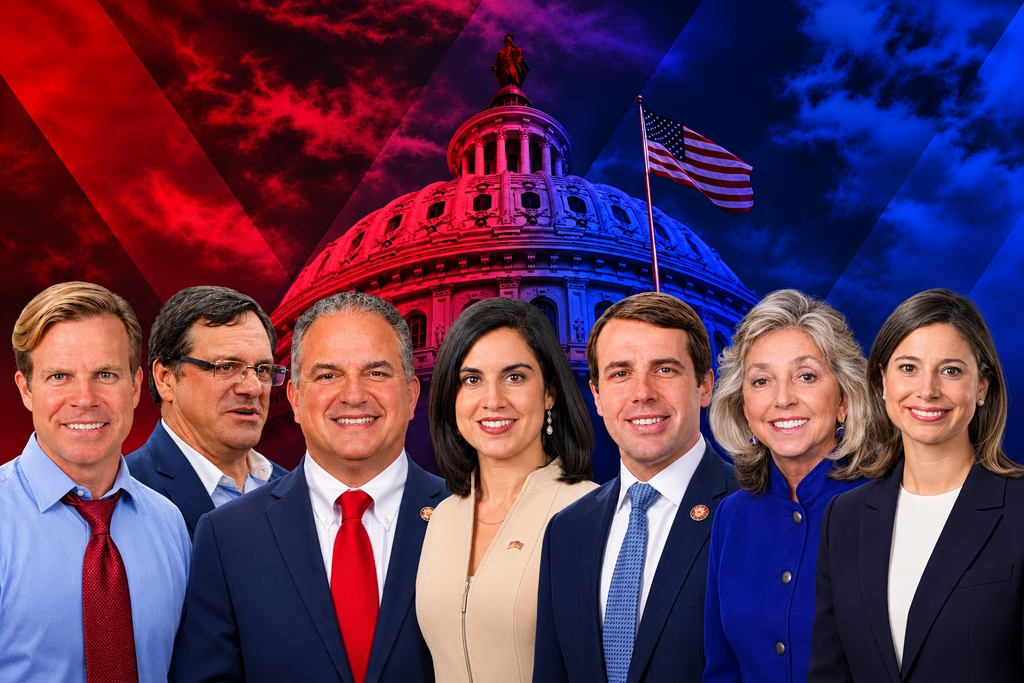
Commenting on the U.S. midterm elections, Gerapetritis said Democrats were winning in traditional Republican strongholds, including Kansas and Texas.
He identified the economy and the war in Iran as important factors influencing American voters, saying the conflict had affected domestic price pressures.
“The critical factor in American voters’ decision, I think, was the economy and the war in Iran, insofar as it affected the situation with rising prices inside the country,” he said.
On relations between Greece and the United States, Gerapetritis argued that the partnership extended beyond individual election cycles. Support for Greece, he said, was bipartisan, and the strategic depth of the relationship would be maintained at every level.
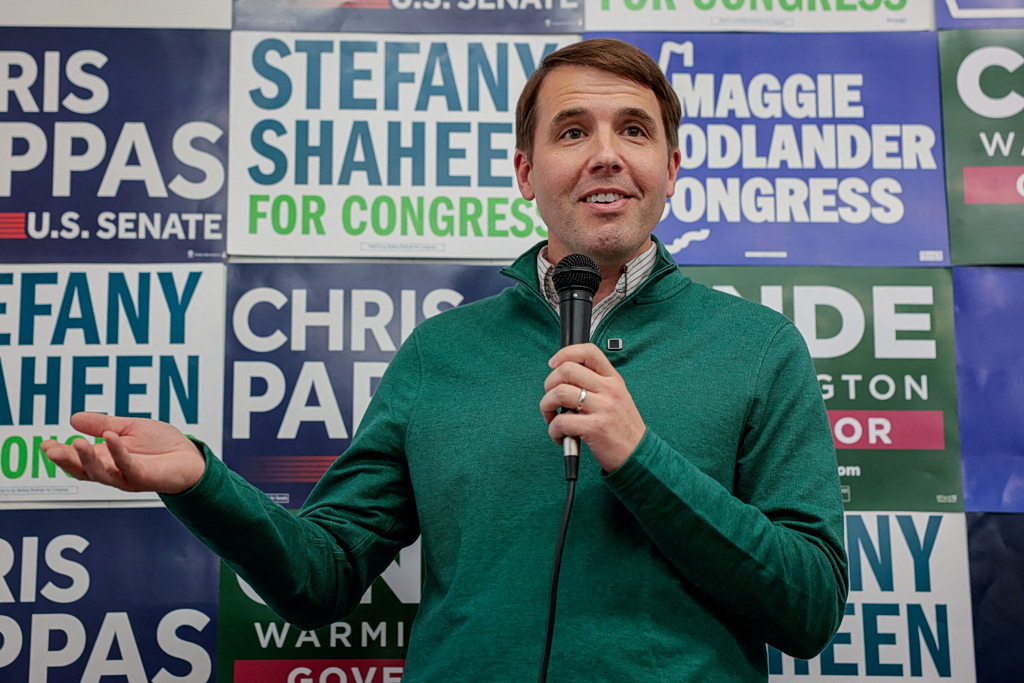
He also highlighted the election of candidates of Greek descent, noting that, for the first time since 2013, the United States would have a senator of Greek heritage. He was referring to the election of Chris Pappas.