 Μake us preferred on Google
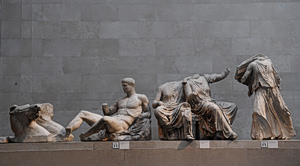
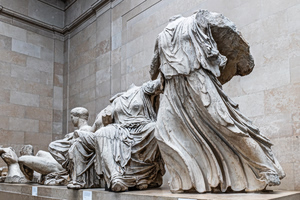
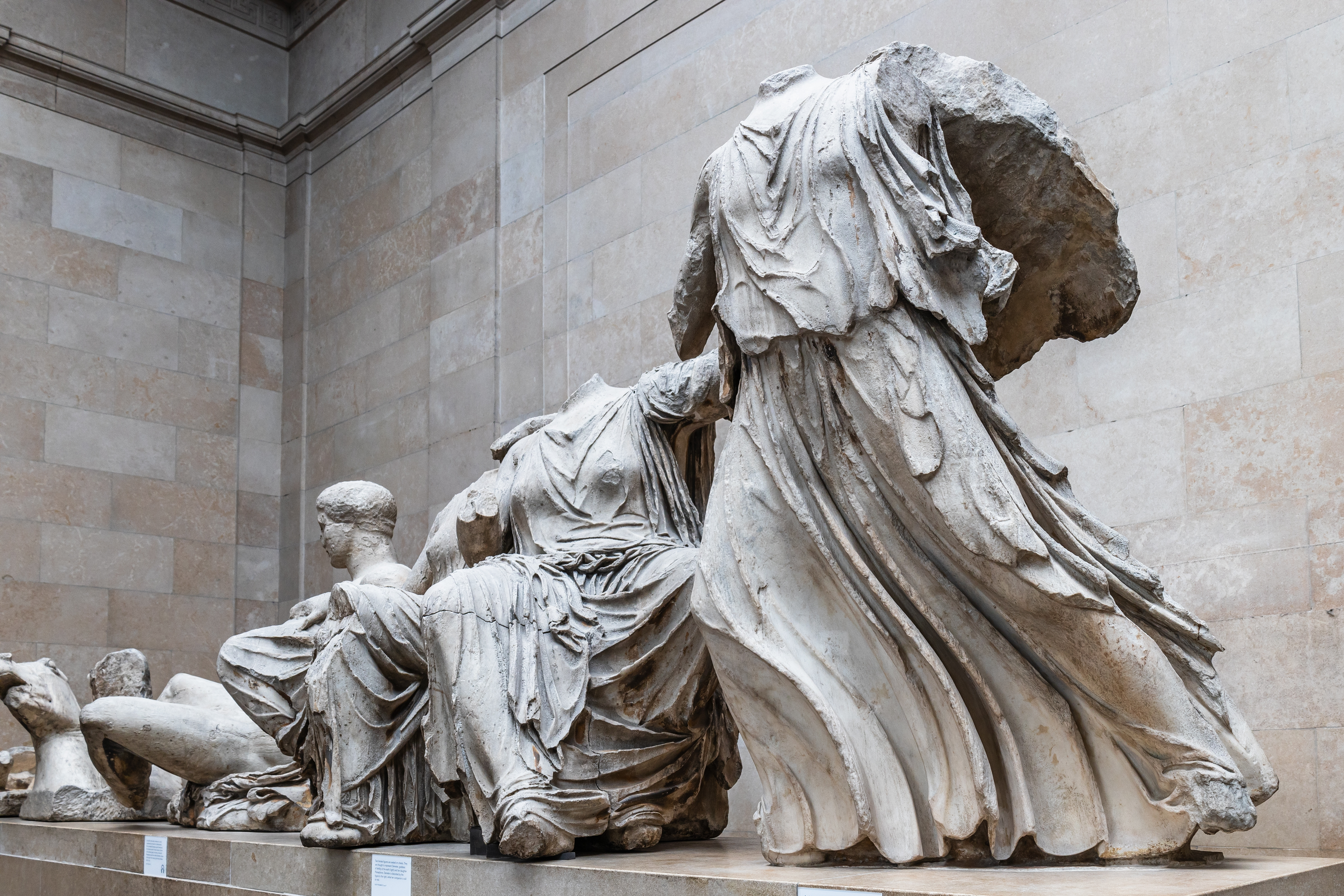
The British government does not intend to change the law that prevents the permanent return of the Parthenon Sculptures to Greece. Culture Minister Baroness Fiona Twycross restated this position during a debate held on Tuesday, November 3, in the House of Lords, where members from different political backgrounds called for the legal obstacles to the reunification of the Sculptures in Athens to be lifted.
“The government doesn’t have any plans to change the law or introduce legislation to permit the Parthenon sculptures to be returned permanently,” Twycross said. She added, however, that the government recognizes “the strength of feeling on this” and supports the British Museum’s position that it would consider a loan request.
The British government’s position comes less than a month after statements by Kyriakos Mitsotakis at the “ΤΟ ΒΗΜΑ” conference, “Dialogues for Athens,” where the prime minister had announced increased pressure on the British Museum and the British government, pointing out the need to amend the 1963 law.
“Guernica” and the Pressure in the House of Lords
The issue was brought to the House of Lords by the independent Earl of Clancarty, who asked the government to state its position on proposals for the permanent return of the Sculptures. He said there are “legal and nationalistic” reasons for their return, but also aesthetic ones.
He used the example of Pablo Picasso’s “Guernica.” If the famous painting had been cut into pieces and displayed in different museums, he argued, there would be a universal demand for it to be reunited. With the same reasoning, he asked that a limited change to the legislation be considered, so that the British Museum could decide on the return of the Sculptures.
Baroness Shami Chakrabarti of the Labour Party, a former shadow attorney general, pointed to the Crown Jewels. “If some of the crown jewels had been pinched, I don’t think that we would be so glad of a loan agreement,” she said.
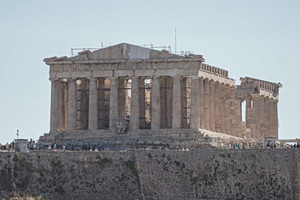
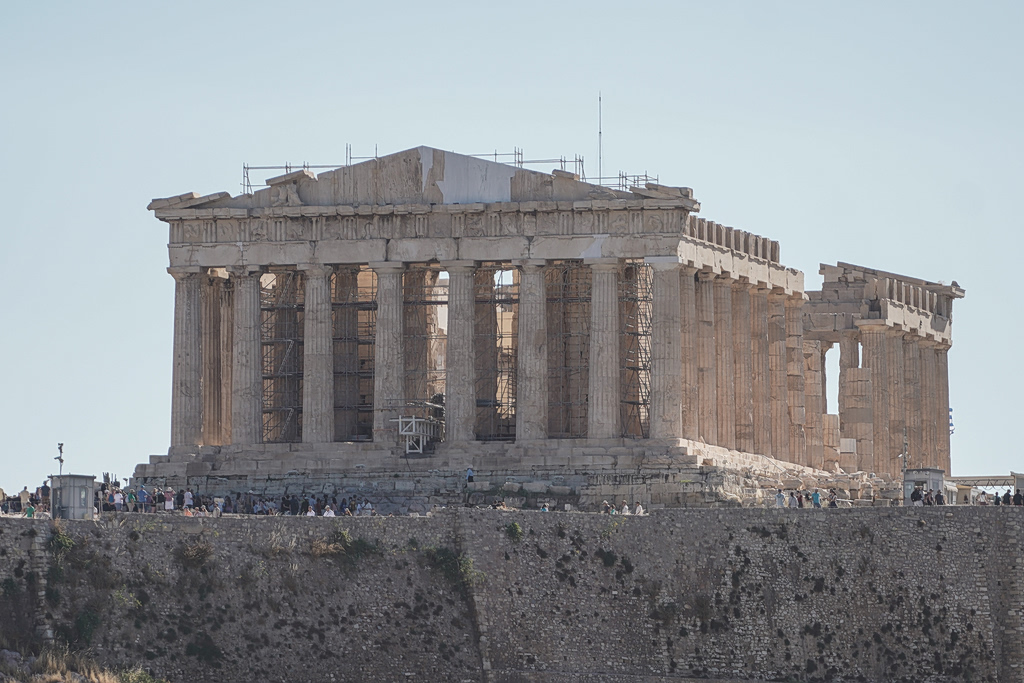
Green Party peer Baroness Jones of Moulsecoomb, a former archaeologist, said she had some sympathy with the Greek government’s argument that the Sculptures were bought from the Ottoman Empire and not from the Greeks. Having visited the Parthenon, she noted that there are visible gaps where the Sculptures should fit back.
Liberal Democrat peer Baroness Hussein-Ece said the Sculptures are an integral part of Greece’s cultural heritage and pointed out that a purpose-built museum now stands near the Parthenon. She also noted that the British Museum holds many artifacts from around the world that are kept in storage and not displayed, suggesting that returning the Sculptures could be an opportunity to bring some of those out.
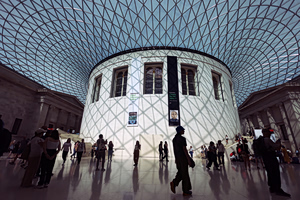
Fiona Twycross’s answer was negative on the possibility of changing the law. The government, she clarified, does not plan to amend the British Museum Act of 1963, which prohibits the permanent removal of objects from the British Museum’s collections. The limited exceptions cover duplicates and objects unfit for retention, along with specific legal exemptions for objects taken during the Nazi era and for human remains less than 1,000 years old.
There were, however, opposing views. Conservative Viscount Hailsham warned that returning the Sculptures could set an “unfortunate precedent” for the collections of other British museums, which he said hold many artifacts acquired abroad, often under doubtful circumstances.
Greece’s Position and the Background of the Dispute
Greece maintains that the Sculptures were illegally removed from the Acropolis during the Ottoman occupation. They are known in Britain as the Elgin Marbles, after Thomas Bruce, the 7th Earl of Elgin, who oversaw their removal in the early 1800s. Elgin claimed he had permission from the Ottoman officials who controlled Athens at the time.
What the Prime Minister Said at the “ΤΟ ΒΗΜΑ” Conference
On October 6, in a conversation with author Daniel Mendelsohn and “EDITOR” editor Periklis Dimitrolopoulos, Prime Minister Kyriakos Mitsotakis had acknowledged that negotiations on the Sculptures had not progressed as much as the Greek side would have liked.
He had, however, announced greater pressure on the British side, stressing that permanent reunification requires a change to the 1963 law, which needs a parliamentary majority.
The prime minister had also linked the issue to Keir Starmer’s push for closer ties between the United Kingdom and the European Union, noting that the reunification of the Sculptures is not only a Greek issue but also a European one.
At the same time, he had proposed a broader cultural partnership, with important Greek antiquities being presented in temporary exhibitions at the British Museum.
Before that, on September 24, the prime minister had published an opinion piece in the Guardian, in which he rejected the proposal to use France’s loan of the Bayeux Tapestry to Britain as a model for the Sculptures.
No one, he argued, would think of cutting the Tapestry in two and displaying its parts in different countries. Yet this is exactly what has happened to the Parthenon Sculptures. Mitsotakis has also compared keeping them in the UK to “cutting the Mona Lisa in half.” He insisted on their permanent reunification, rejecting any agreement that would require Greece to recognize British ownership or to borrow parts of its own monument.
The Osborne Proposal and the Ownership Obstacle
Meanwhile, British Museum chair and former Conservative chancellor George Osborne had expressed optimism in mid-October, in an interview with Bloomberg in Athens, that an agreement could be reached if both sides made compromises.
His proposal calls for the Sculptures to be displayed in both Athens and London, through a long-term loan in exchange for rotating exhibitions of major artworks. He acknowledged that this approach does not have everyone’s support in Greece, but insisted that it is the British Museum’s position.
The issue of ownership had also been raised by Lord David Frost, Britain’s former chief Brexit negotiator, in a recent interview with Dimitris Mavrokefalidis for “ΤΟ ΒΗΜΑ.” Frost had expressed doubts about the possibility of an agreement without Greece recognizing the British Museum’s legal ownership of the Sculptures.
The same condition came up again in the House of Lords “dispute.” Twycross supported the prospect of a loan agreement, provided that the museum’s ownership is recognized and the return of the Sculptures to London is guaranteed. She welcomed the talks between the British Museum and Greek ministers and described the Bayeux Tapestry loan, which the museum’s director has mentioned as a possible model, as an interesting idea and a major success. Asked whether the tapestry would be returned to France at the end of the agreed period, she replied that it would be “over my dead body” that the UK tried to keep it.
The debate in the British parliament also referred to a review of provisions of the Charities Act 2022, which is expected to be completed in February 2027. This process, however, is not a commitment to change the law governing the British Museum.