 Μake us preferred on Google
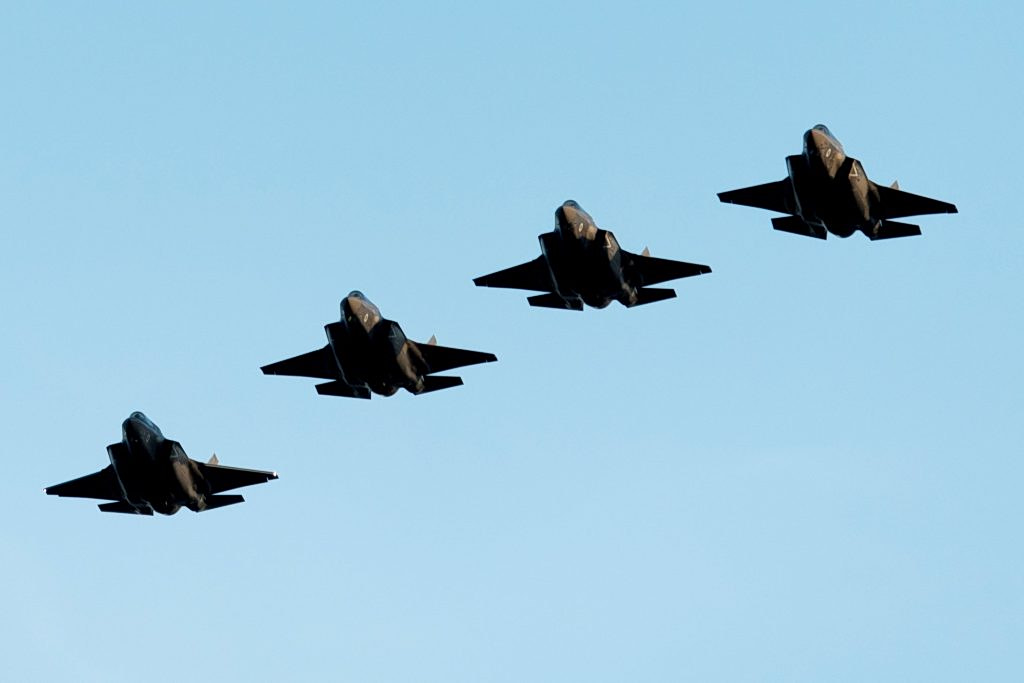
 Eighteen members of Congress are urging House leadership to block any effort to reinstate Turkey in the F-35 program, citing restrictions that remain in force because of Ankara’s purchase of the Russian S-400 system.
In a letter sent to House Majority Leader Steve Scalise and House Minority Leader Hakeem Jeffries, Democratic lawmakers are asking House leadership to be ready to exercise the powers granted under existing law should the Trump administration attempt to move forward with selling or transferring American fighter jets to Turkey.
The letter, an initiative led by Democratic Representative Dina Titus, comes ahead of the NATO Summit in Ankara on July 7 and 8, and follows reports that the U.S. administration is exploring ways to bring Turkey back into the fifth generation fighter jet program.
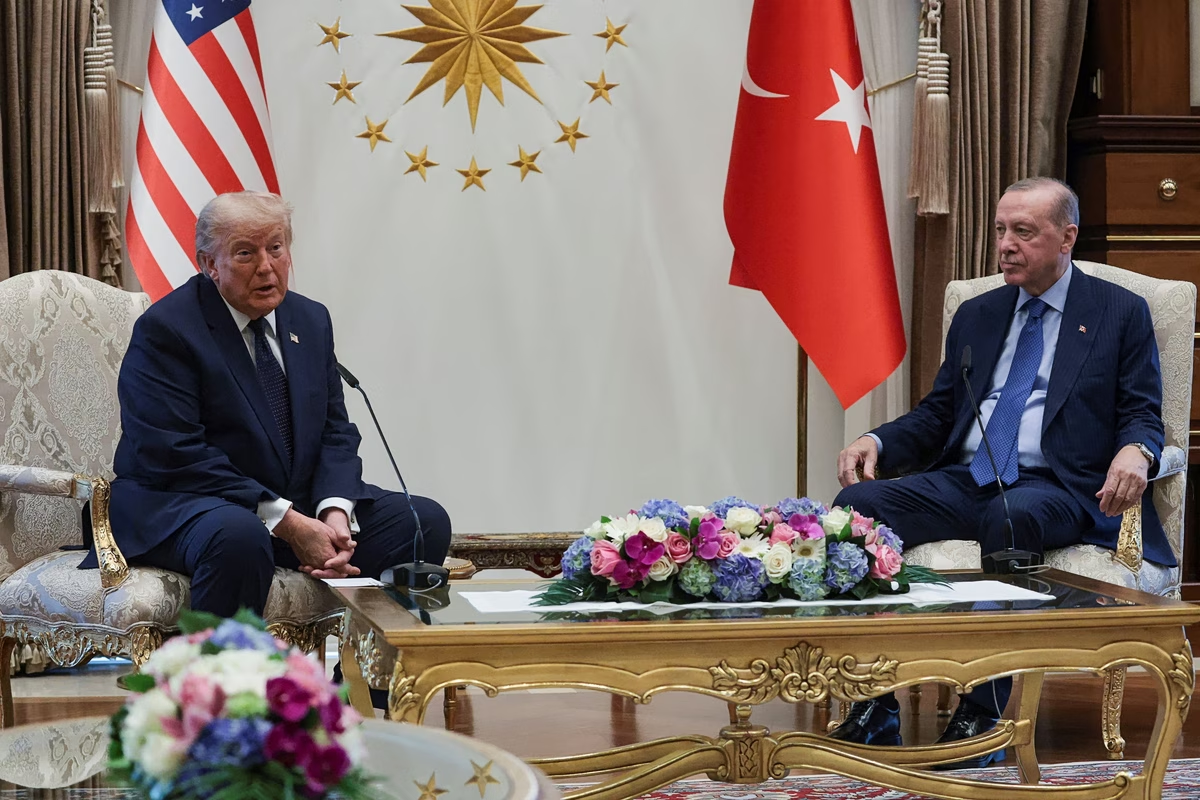
The lawmakers point to recent remarks by President Donald Trump, who hinted he intends to deliver a “big gift” to Turkish President Recep Tayyip Erdogan, as well as a statement from Vice President JD Vance that an assessment is underway on how such a sale could proceed legally.
The letter notes that the United States excluded Turkey from the F-35 program in 2019 after its purchase of the S-400 from Russia, since Washington had determined that the coexistence of the Russian air defense system with the American jet could compromise sensitive information about the aircraft’s capabilities.
The lawmakers also note that in December 2020, the first Trump administration imposed sanctions on Turkey’s Presidency of Defense Industries under the CAATSA law over the S-400 purchase. According to the letter, that decision has never been rescinded and remains legally in effect.
On the legal front, the signatories cite both CAATSA and the National Defense Authorization Act for Fiscal Year 2020, which bars the transfer of F-35s to Turkey as long as Ankara retains the S-400 system and doesn’t provide concrete assurances it won’t seek to acquire it again.
According to the letter, publicly available information doesn’t show that Turkey has removed the Russian system, taken it out of operational use, or otherwise eliminated the cause that led to the sanctions.
The lawmakers argue that, under these conditions, reinstating Turkey in the F-35 program would put the administration in conflict with its legal obligations.
They also cite testimony from Secretary of State Marco Rubio before the House Foreign Affairs Committee on June 3, 2026, during which, according to the letter, he acknowledged that the administration is legally bound to maintain sanctions against Turkey and cannot reinstate Ankara in the program under current conditions.
Beyond the legal framework, the signatories warn that such a decision would send the wrong strategic signal to America’s partners in the Eastern Mediterranean. The letter references Turkey’s stance toward Greece and Cyprus, its support for Azerbaijan in operations against Armenia, and Ankara’s posture toward Israel.
According to the lawmakers, providing Turkey with one of the most advanced American weapons systems, without the underlying reasons for its exclusion having been resolved, could encourage further destabilizing behavior and undermine the trust of allies who have followed the rules.
The signatories stress that CAATSA was passed with overwhelming bipartisan majorities specifically so that Congress would retain meaningful oversight over decisions involving the transfer of American military technology to countries that have engaged in significant transactions with U.S. adversaries.
“The integrity of this framework, and the message it sends to every country weighing whether to buy Russian weapons, depends on Congress’s willingness to enforce it,” the letter states.
The letter is signed by Dina Titus, Chris Pappas, Maggie Goodlander, Grace Meng, Frank Pallone Jr., Brad Schneider, Josh Gottheimer, Jared Moskowitz, Ted Lieu, Brad Sherman, Mike Quigley, Dan Goldman, James McGovern, Stephen Lynch, Jim Costa, George Latimer, Gabe Amo, and Robert Menendez.