 Μake us preferred on Google
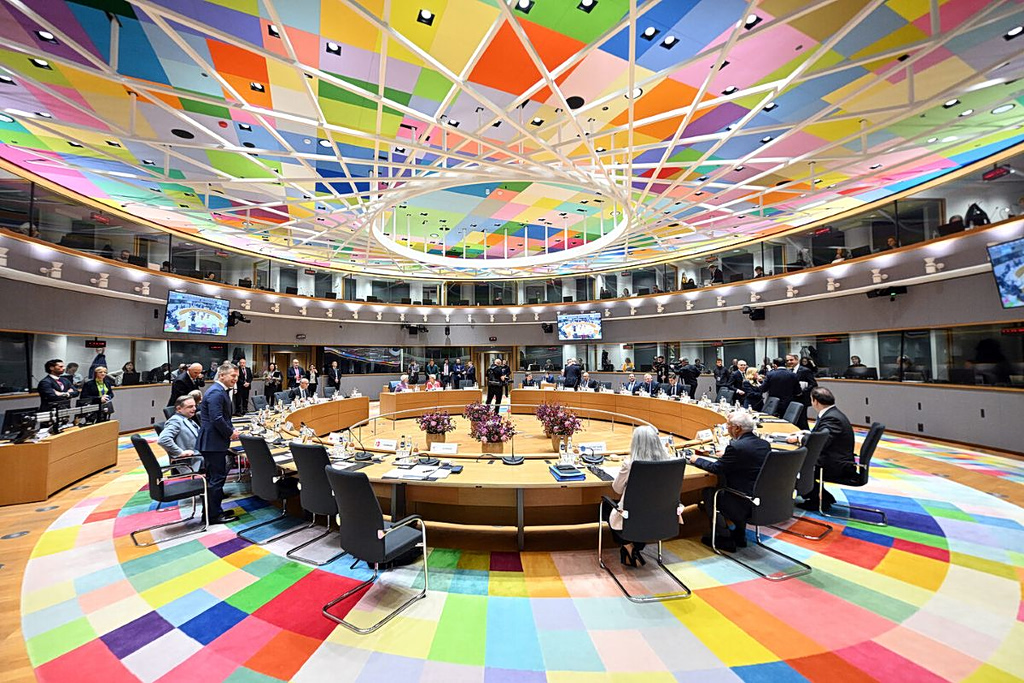
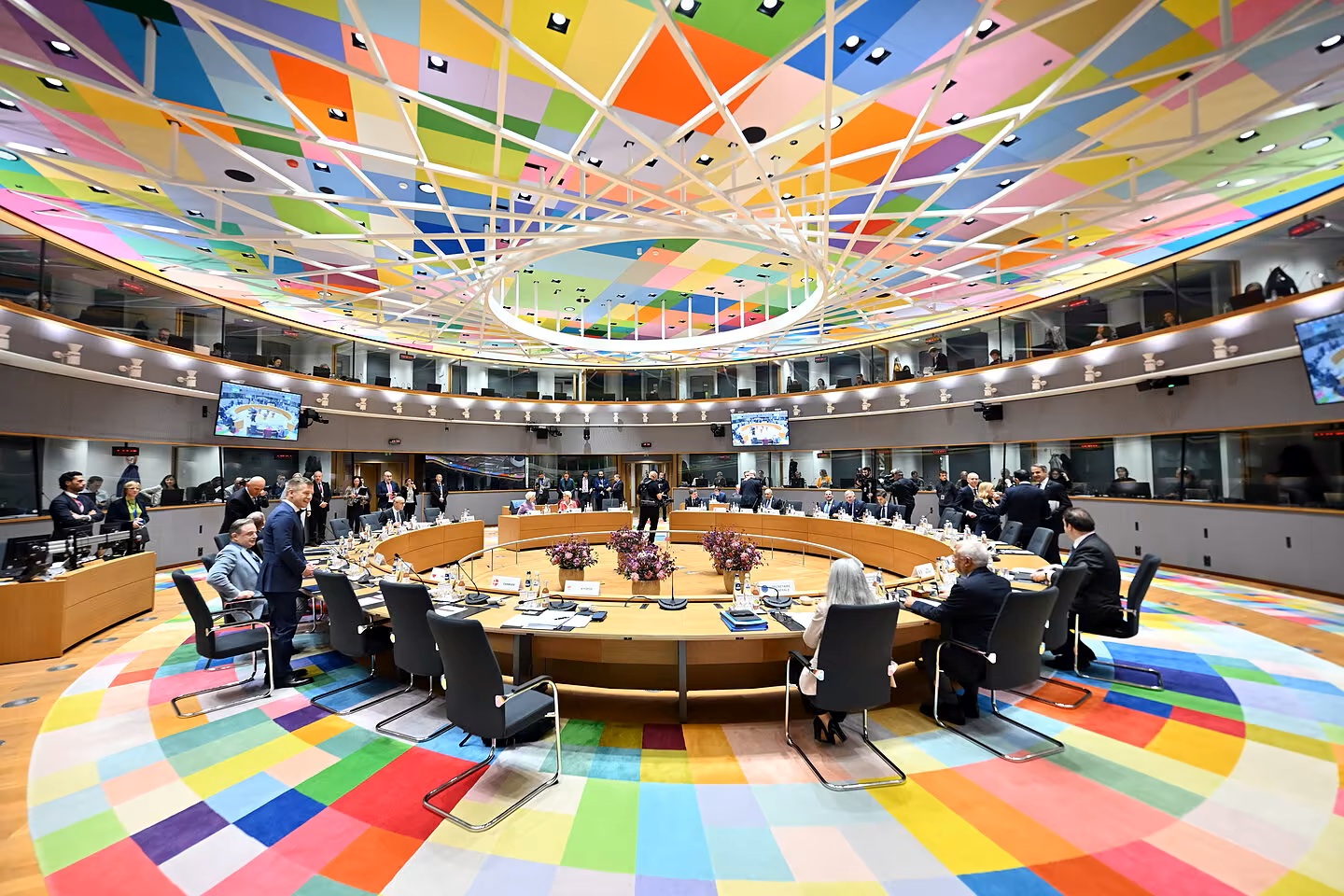
The two-day summit, continuing into Friday is intended to pave the way for a political agreement on the 2028-2034 Multiannual Financial Framework (MFF) at the next European Council meeting on Dec. 17-18.
The proposed seven-year budget amounts to 1.582 trillion euros, including provisions for repaying borrowing undertaken during the Covid-19 pandemic. However, European Council President António Costa’s latest compromise proposal has failed to bridge differences between member states over the overall size of the budget and the allocation of resources.
Germany, the Netherlands and other net contributors are pressing for a smaller, more streamlined budget, with greater emphasis on defense, competitiveness, technological development and security. France, Italy and other countries, meanwhile, oppose substantial reductions in agricultural subsidies and cohesion funding, arguing that traditional EU policies remain essential to economic and social convergence.
The 17-member Friends of Cohesion group, which includes Greece, is particularly concerned that proposed changes could undermine funding for less-developed regions and agricultural production.
Another major source of disagreement is the proposed 45-billion-euro EU loan to Ukraine for 2027, intended to cover a substantial part of Kyiv’s projected financial needs amid Russia’s ongoing invasion.
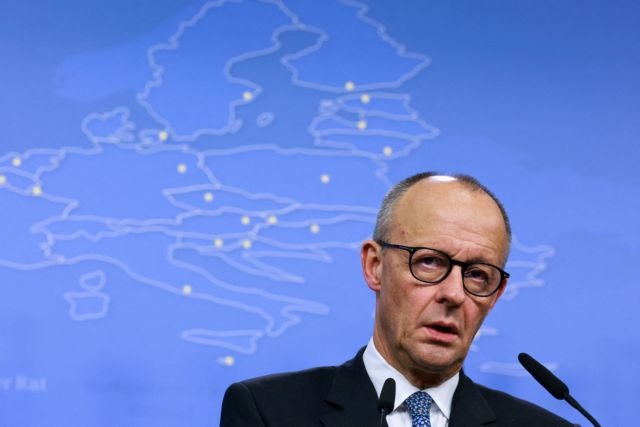
German Chancellor Friedrich Merz holds a press conference on the day of a European Union special summit in Brussels, Belgium, November 26, 2026. REUTERS/Stephanie Lecocq
German Chancellor Friedrich Merz has insisted that all 27 member states should participate in the financing, linking a collective commitment to Ukraine with broader agreement on the EU budget. Slovakia, Hungary, the Czech Republic and Bulgaria, however, have expressed reservations about participating, particularly in military assistance.
The European Commission has proposed allowing countries to participate in the civilian component of the loan while opting out of its military component, in an effort to overcome the deadlock.
The negotiations have also acquired a political dimension, with French President Emmanuel Macron pressing for an agreement before the end of 2026. Upcoming elections in several member states, particularly France in 2027, could complicate negotiations and make a compromise more difficult.
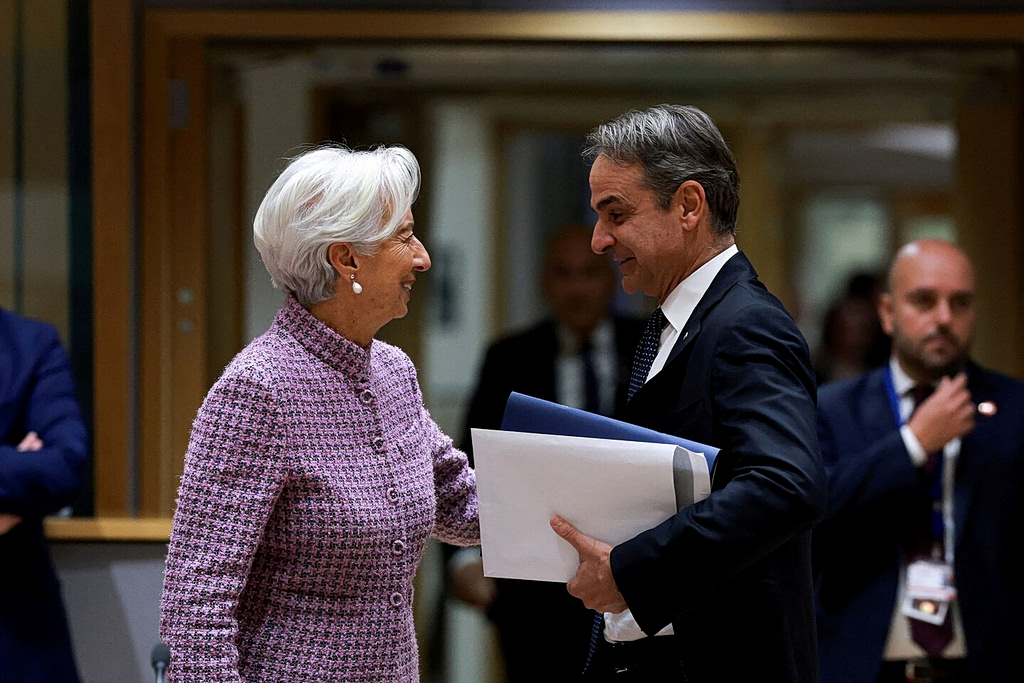
Greek Prime Minister Kyriakos Mitsotakis said it was politically imperative to reach a definitive agreement in December, warning that subsequent political developments across the EU could make a deal practically impossible during the first half of 2027.
Mitsotakis also reiterated that Greece would not accept further cuts to the Common Agricultural Policy (CAP) or cohesion funding, arguing that a strong European Union required an adequately financed budget.
Athens has nevertheless indicated its willingness to explore additional sources of EU revenue. Greece has proposed a common European auction of radio spectrum for sixth-generation (6G) telecommunications networks, an initiative Mitsotakis said had received an initially positive response from several European counterparts.
Costa is seeking to narrow the differences between the competing groups before presenting the next negotiating proposal. However, the requirement for unanimity among all 27 member states means that substantial compromises will be necessary before the new financial framework can be approved.