
 Μake us preferred on Google
Russia has warned that military operations involving Ukraine in the Mediterranean and Baltic Sea could have consequences beyond the two countries at war, after a series of attacks on Russian vessels drew objections from governments in both regions.
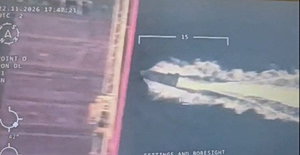
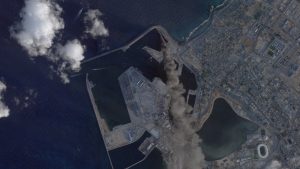
The latest dispute follows Ukraine’s reported sinking of a Russian naval corvette at a Libyan port on Sunday using maritime drones. The operation came one day after a Ukrainian drone strike targeted a cargo ship linked to the Russian military in the Gulf of Finland.
The incidents have prompted responses from countries that are not directly involved in the fighting. Libya condemned the operation off its coast, while Italy told Ukraine that attacking Russian ships in Libyan waters was unacceptable and cautioned against extending the war to other regions.
Norway has also called for restraint in the Baltic Sea. Although a strong supporter of Kyiv, Oslo stressed the importance of maintaining stability in areas near its territory.
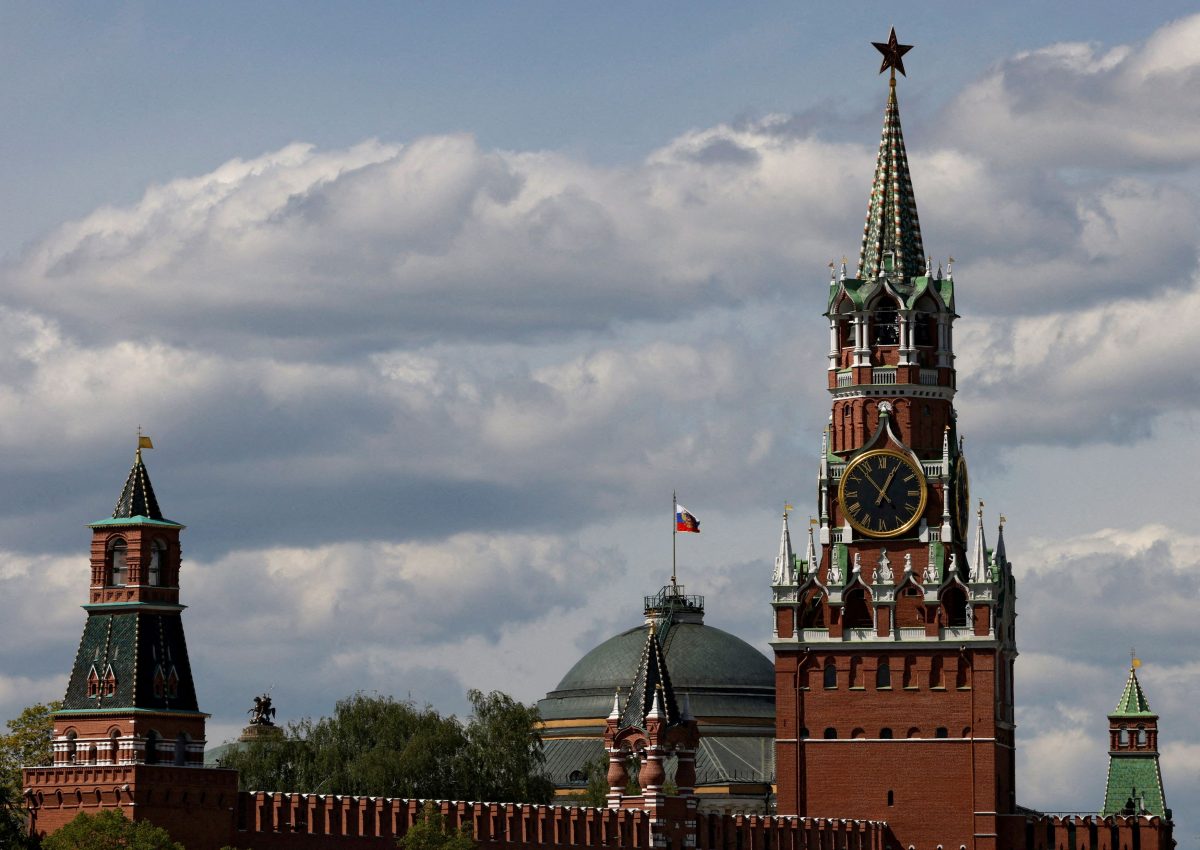
The Kremlin used the incidents to accuse Ukraine of deliberately expanding the geographical scope of the war. Speaking to reporters Thursday, spokesman Dmitry Peskov said the attacks amounted to “terrorist activity” in the Mediterranean and Baltic, adding that they were likely to concern coastal states and NATO as a whole.
Peskov said Moscow did not want the conflict to spread, but argued that Kyiv was responsible for creating that risk. He described the actions as potentially very dangerous.
Moscow responds to Trump and NATO warning
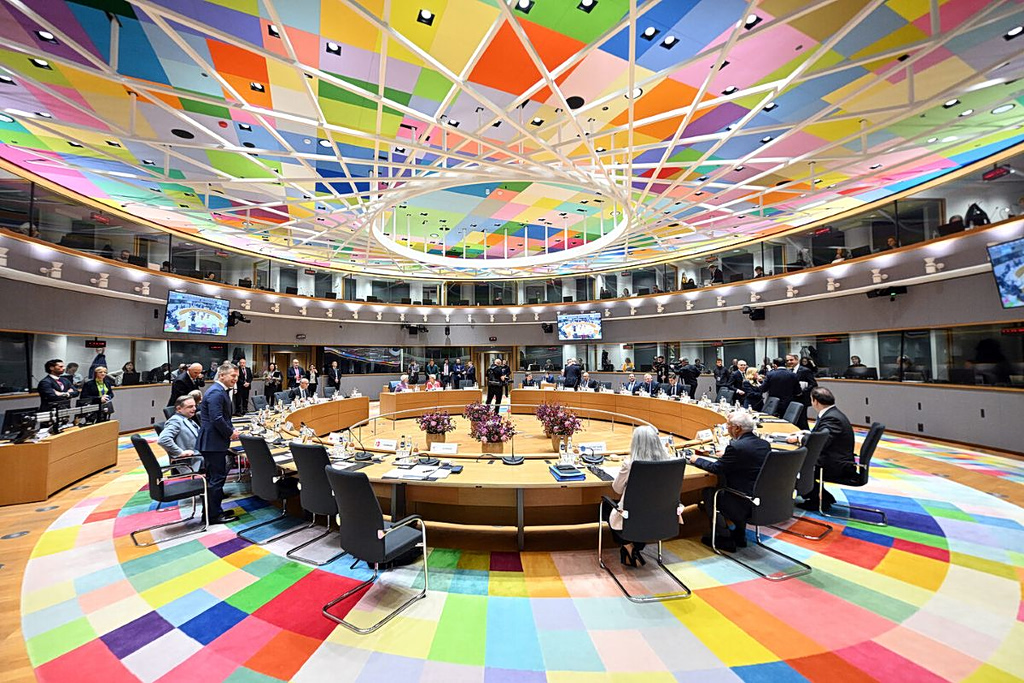
The Kremlin’s comments came a day after US President Donald Trump and NATO Secretary-General Mark Rutte addressed the risk of a broader conflict following their meeting in Florida.
In a joint statement Wednesday, they urged Russia not to take actions that would expand its full-scale war against Ukraine, which began with the 2022 invasion.
Their intervention appeared to be directed at Moscow’s possible response to Ukrainian operations against Russian interests well beyond the main conflict zone.
Peskov interpreted the warning differently, arguing that it was Ukraine’s recent maritime operations, rather than Russian actions, that threatened to extend the fighting geographically.
The latest exchanges underscore growing concern over attacks taking place far from the main battlefield, with governments in the Mediterranean and Baltic regions now voicing their objections or urging caution.