
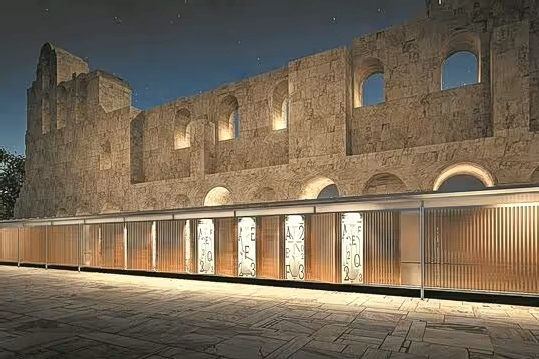
 Μake us preferred on Google
The ancient theater, which suspended operations in July 2026, will undergo comprehensive conservation works based on nine studies drawn up in cooperation with the National Technical University of Athens (NTUA), according to the Culture Ministry.
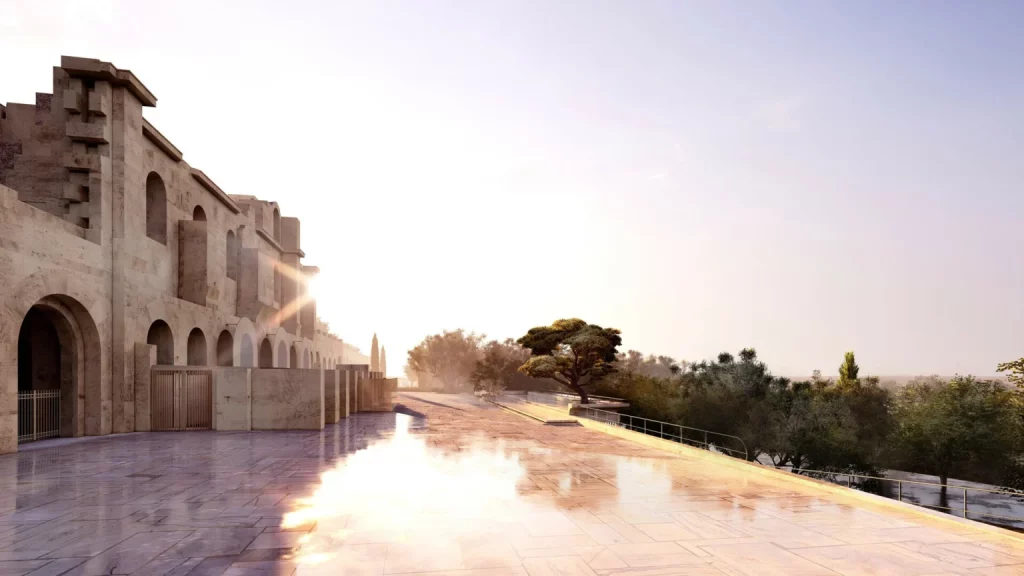
The project aims to address accumulated deterioration, reinforce the monument’s structural integrity and protect its distinctive architectural features while adapting its facilities to contemporary cultural needs.
Interventions will include restoration of the interior and exterior façades, the perimeter wall surrounding the auditorium, plasterwork and the impressive mosaic floor of the stage. The mosaic will be protected during performances with a specially designed covering.
Works will also target the stone seating tiers and stage area, alongside upgrades to the water supply and sewage systems. The dressing rooms and sanitary facilities will undergo a complete renovation to meet the needs of performers and visitors.
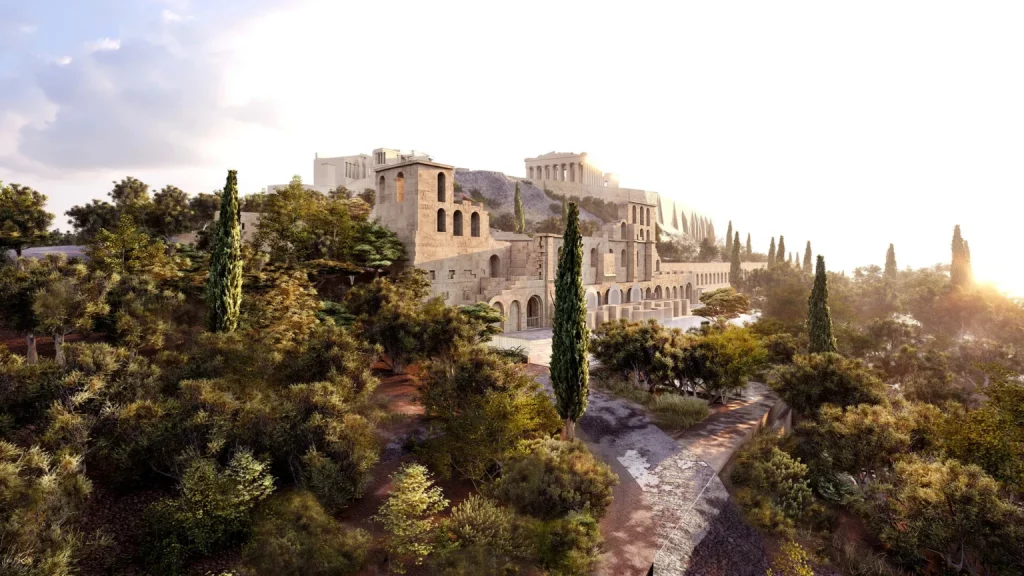
The surrounding area will also be redesigned, with changes to the entrance forecourt and landscaped spaces, while plans include a refreshment area and retail outlet.
Culture Minister Lina Mendoni described the decision to suspend the Odeon’s operations as essential, saying its protection was necessary to address both natural deterioration and damage caused by human activity.
The project also seeks to improve the venue’s capacity to host contemporary cultural events, with the Athens Epidaurus Festival remaining central to its future programming.

Built in the second century AD by the wealthy Athenian benefactor Herodes Atticus in memory of his wife, Regilla, the Odeon is among the most distinctive surviving monuments of Roman-era Athens.
The restoration aims to preserve its historical authenticity while ensuring that the landmark can continue serving as one of Greece’s leading cultural venues.