 Μake us preferred on Google
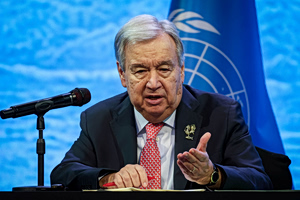
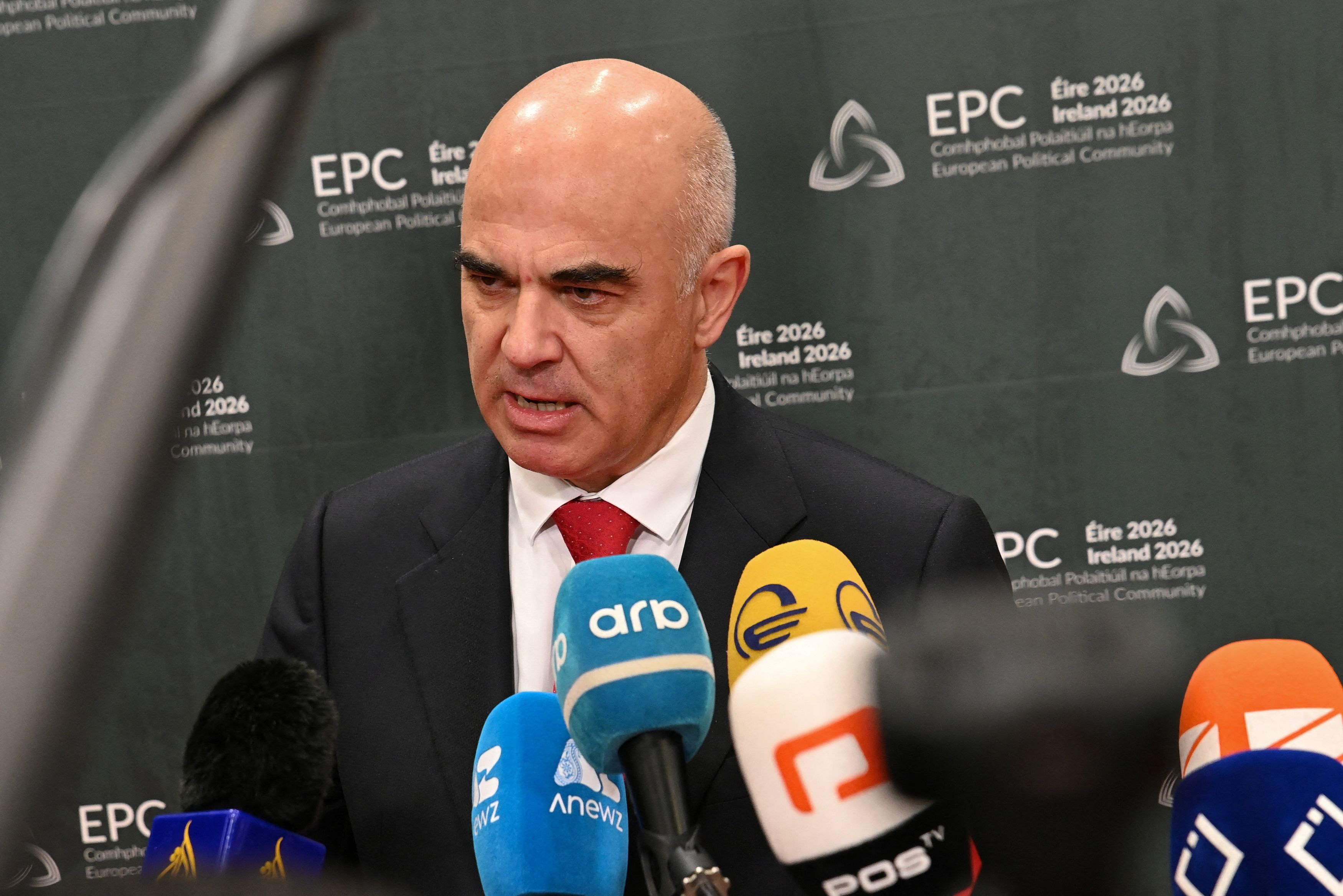
Alain Berset, Secretary General of the Council of Europe and former President of the Swiss Confederation, spoke to ΤΟ ΒΗΜΑ about the future of the European continent. He stressed that “Europe must rearm without disarming democracy” and raised the question of who will control this growing military power in ten or twenty years.
On Ukraine and Gaza, he calls for the same principles to be applied consistently, insisting that “international law either applies universally or it means nothing.” On artificial intelligence, he points to the Council of Europe’s Framework Convention, the first legally binding international treaty aimed at ensuring that the technology is developed and used in line with human rights, democracy and the rule of law.
On Greece, he acknowledges the country’s commitment to international law and to the independence of the Strasbourg court, as well as its progress in modernizing the justice system. He also lists significant outstanding issues, from trial delays and press freedom concerns to prison overcrowding, the registration of associations, reception conditions for migrants and asylum seekers, and safeguards against illegal pushbacks.
His reference to the A.R.E. v. Greece ruling stands out. In that case, the Strasbourg court found violations of the Convention over the pushback of a Turkish national from the Evros region to Turkey, and additional measures are still needed to implement the judgment.
At the same time, he sees Greece’s presidency of the Council of the EU in the second half of 2027 as an opportunity to strengthen democratic safeguards. On the Cyprus issue, he reaffirms support for a bizonal, bicommunal federation in line with UN Security Council resolutions.
Mr. Berset, how do you see the future of Europe in today’s geopolitical environment? What is the biggest challenge it faces?
“Europe is going through a period of profound upheaval. Power politics is challenging the international order built after 1945, Russia’s war against Ukraine continues, and uncertainty in transatlantic relations is forcing a new approach to European security. But Europe’s future is not doomed to decline, because we have significant economic, political and institutional strengths. The biggest challenge is to take on more responsibility for our own defense while also strengthening democracy and its institutions.
“Europe’s particular strength lies in the common legal space founded on the European Convention on Human Rights, which unites 46 countries. Through independent monitoring bodies, we check how governments implement their commitments, identify shortcomings and propose improvements, so that European standards bring real change to people’s lives. In a world where power increasingly determines outcomes, law is Europe’s form of power.”
From Ukraine to Gaza, how do you assess the application of international law and the stance of the international community?
“International law either applies universally or it means nothing. We cannot defend it in one conflict and treat it as optional in another. Every conflict has its own particular circumstances, but the fundamental principles remain the same: protecting civilians, respecting international humanitarian law and ensuring accountability for violations.
“Russian aggression against Ukraine is a flagrant violation of international law, while in Gaza the human suffering is overwhelming. Civilians must be protected, humanitarian aid must reach those who need it, and the rights and security of both Israelis and Palestinians must be respected. Applying international law selectively undermines the credibility of the entire international system, which is why independent courts and effective accountability mechanisms are essential.
“Ukraine is one of the 46 member states of the Council of Europe, and we support its democratic institutions. We are also helping to create mechanisms to hold Russia accountable for its aggression, including an international compensation mechanism and a Special Tribunal for the Crime of Aggression against Ukraine.”
You have warned about the risks of building up military power at a time of rising political extremism. What worries you most about the future of European democracy?
“What worries me most is the possibility that Europe grows stronger militarily while its democratic institutions grow weaker. Europe’s rearmament has reached a scale not seen since the Cold War, which I consider necessary in the face of Russian aggression and the changes in the international security environment. But there is a crucial question: who will control this ever-greater military power in ten or twenty years?
“Europe has resilient institutions, but extremism, foreign interference, disinformation and citizens’ growing distrust of democratic institutions leave no room for complacency. That is why the Council of Europe is promoting what we call democratic security, which rests on independent courts, free media, transparent elections and accountable institutions. Strong armies need even stronger democracies. Europe must rearm without disarming democracy.”
While the United States and China lead in developing artificial intelligence, Europe is criticized for its focus on regulating it. How can it combine innovation with the protection of rights and ensure real democratic oversight of the growing power of the tech giants?
“Europe has no reason to choose between innovation and regulating technology. It is a false dilemma. Artificial intelligence opens up huge opportunities for the economy, scientific research, health and public services, and Europe must invest in these possibilities, with technological progress going hand in hand with the protection of human rights, democracy and the rule of law.
“The question, however, is who controls the most powerful AI systems and who is accountable when they cause harm. Democratically elected governments cannot leave this responsibility in the hands of a handful of powerful tech companies. That is why the Council of Europe’s Framework Convention on Artificial Intelligence is so important. It is the first legally binding international treaty aimed at ensuring that AI is developed and used in line with human rights, democracy and the rule of law.
“The right rules build trust, provide legal certainty and help ensure that the benefits of technological progress reach all of society. Europe must play a leading role both in developing powerful technologies and in shaping the rules that govern their use.”
During your recent visit to Athens, you said that Greece gave Europe democracy. How do you view the rule of law in Greece today? Where do you see progress, and where are the biggest challenges?
“Greece holds a special place in Europe’s democratic history. But democracy is not an inheritance we acquire once and for all. It is something every generation must protect and renew.
“During my visit to Athens in February, I welcomed Greece’s strong commitment to international law and to the independence of the European Court of Human Rights. Our discussions also covered some of the defining challenges facing European democracies: harnessing the potential of emerging technologies, managing migration effectively while guaranteeing the protection of human rights, fighting disinformation and dealing with regional instability.
“Greece has taken positive steps to modernize its justice system and make it more efficient, but significant challenges remain, such as delays in hearing cases, press freedom, accountability and citizens’ trust in institutions. I must stress, however, that these issues are not unique to Greece. Across Europe, our democracies face the same fundamental test: can our institutions remain independent, effective and worthy of citizens’ trust?”
Implementing the judgments of the European Court of Human Rights is a key test of the rule of law. How do you assess Greece’s compliance, which pending issues concern you, and what needs to change in practice?
“The European Convention on Human Rights gains real force through the implementation of court judgments, an obligation that applies equally to all 46 member states of the Council of Europe. Greece has made progress in several areas. Last year, after significant improvements by the Greek authorities, the Committee of Ministers ended its supervision of certain long-standing problems with access to asylum procedures.
“Important issues remain open, however, such as prison overcrowding, delays in civil trials, the registration of associations, reception conditions for migrants and asylum seekers, and the need for effective safeguards against illegal pushbacks at the borders. Of particular importance is the European Court of Human Rights judgment in the case of A.R.E. v. Greece. The Committee of Ministers reviewed its implementation in September and identified additional measures to address the shortcomings the Court had found.
“This discussion also has a wider European dimension. In May 2026, the foreign ministers of the Council of Europe’s 46 member states adopted the Chisinau Declaration on the European Convention on Human Rights and migration. It recognizes the sovereign right and responsibility of states to control their borders and manage migration, together with the obligation to act in line with the Convention. Effective migration policy and the protection of fundamental rights can and must go hand in hand.
“Our priority is for court judgments to lead to real change, both in law and in practice, through independent monitoring mechanisms, effective legal remedies and investigations that meet the Convention’s requirements. Implementing judgments is an essential guarantee for protecting rights in everyday life, not a mere legal formality. We welcome the Greek authorities’ cooperation with the Council of Europe and encourage further progress on the issues that remain pending.”
Is there anything you would particularly like to highlight to the Greek government?
“Greece has an important opportunity ahead of it. In the second half of 2027, it will hold the presidency of the Council of the European Union, giving it the chance to make a real contribution to strengthening the resilience of democracy and institutional safeguards across Europe, at a time when they are increasingly being tested.
“My message to the Greek authorities is therefore one of cooperation. The Council of Europe stands by its member states, supporting them in their efforts to meet the standards they have jointly agreed. Greece gave Europe democracy. Today, it has an important role to play in strengthening it.”
You often refer to the Cyprus issue. After your recent contacts at the UN, how do you see the prospects for resuming substantive negotiations?
“Cyprus reminds us that unresolved divisions in Europe can last for generations, which makes a continuous international effort to build dialogue and trust essential. In September, in New York, I discussed the Cyprus issue with María Ángela Holguín Cuéllar, the UN Secretary-General’s Personal Envoy on Cyprus. We looked at the new initiatives to bring the two sides closer and the steps needed to reach a peaceful solution.”
What solution does the Council of Europe support, and how could it contribute to a new effort to resolve the issue?
“The Council of Europe’s position remains firm and clear: we support a solution based on a bizonal, bicommunal federation, in line with the relevant UN Security Council resolutions.
“The UN has the leading role in the effort to reach a comprehensive settlement of the Cyprus issue. The Council of Europe actively supports that effort and is ready to contribute with its expertise and tools. Cyprus, Turkey and the United Kingdom are all members of our organization and, despite their differences, take part in a common European framework with commitments to protect human rights, democracy and the rule of law.
“This allows the Council of Europe to play a complementary role in strengthening dialogue and building trust between the sides. I know well that a division lasting so many decades requires persistent effort, pragmatism and political will for progress to be made. The new initiatives under UN auspices create an opportunity that must be used to the fullest, and the Council of Europe stands ready to support the rapprochement of the two sides and help achieve a peaceful solution, in line with the relevant UN Security Council resolutions.”