
 Μake us preferred on Google
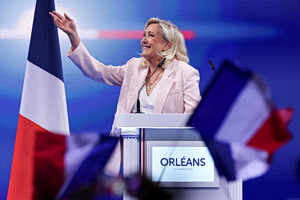
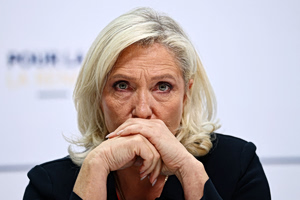
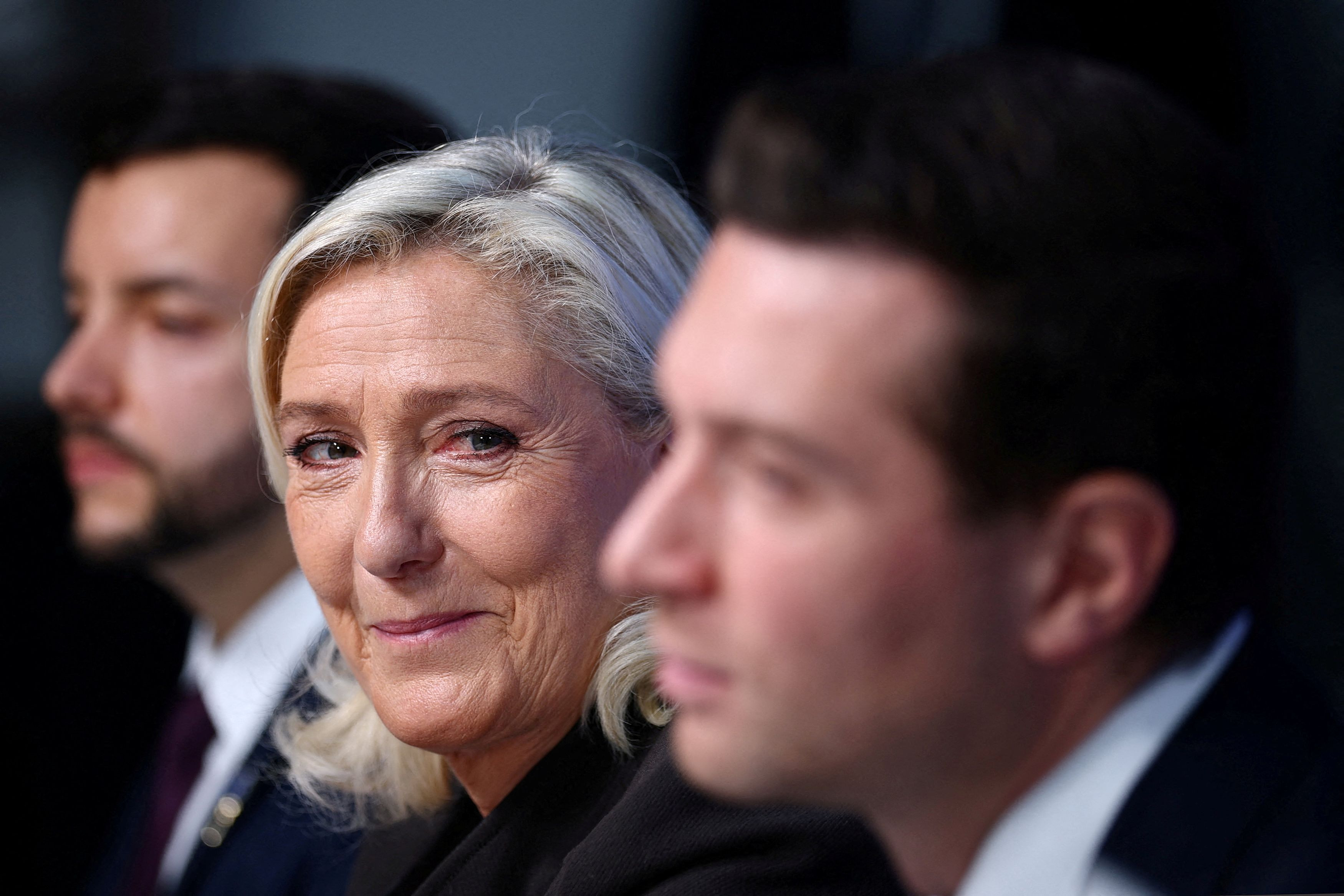
France and Germany are seeking to protect the EU’s next seven-year budget from a potential Marine Le Pen presidency after the French far-right leader threatened to scupper a deal if she comes to power.
Le Pen, who is leading in the polls ahead of the French presidential vote in the spring, has said she would halve the country’s net contribution to the EU budget and cease funding for Ukraine. She has also signalled she could refuse to ratify an EU budget deal, according to one person close to her.
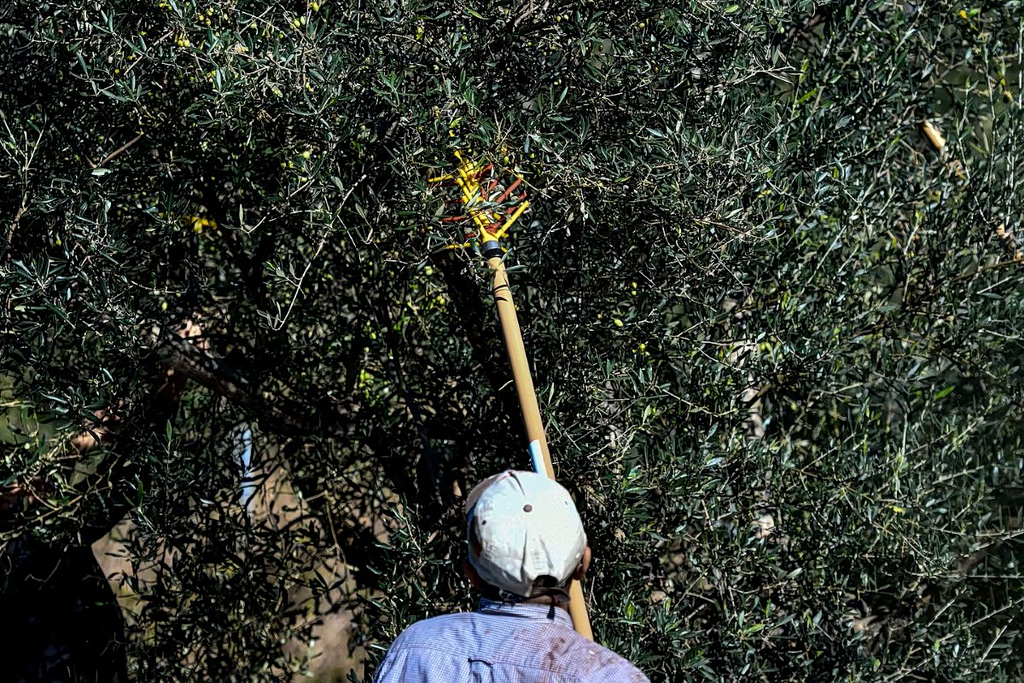
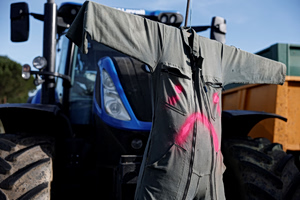
The French government has requested €35bn in additional EU farming subsidies in the bloc’s budget starting in 2028, according to two officials familiar with the talks. The demand is meant to maximise French gains and make it harder for Le Pen to pick the deal apart if she wins the election, they said.
Germany, for its part, wants to enshrine future Ukraine funding in the EU budget law, as it seeks to ensure that any additional support for Kyiv will not be vetoed by France or any other member state. The German demand is meant to make Ukraine support “Le Pen-proof”, said one official.
“She is looming over all of the files on our desk,” said a senior EU diplomat involved in the budget negotiations. A second EU diplomat said that making sure the budget deal would not be picked apart was an ever-present issue in the negotiations.
Le Pen’s ability to follow through on her threats regarding the EU budget may depend in part on whether the Rassemblement National wins a parliamentary majority, but the threat alone is worrying other capitals.
EU leaders meeting in Brussels on Thursday and Friday will have a first discussion on the budget proposals, with officials seeking to lock in a deal by year-end.
Once the budget is agreed by leaders, member states will negotiate with the European parliament, which will have to consent to the deal and adopt a series of laws. Only then can EU countries start the ratification process, which in many countries, including France, requires a parliamentary vote.
The French parliament will go into recess at the end of February, meaning that the process is unlikely to conclude in time for ratification before the April presidential elections, officials said.
The French demand for €35bn in additional farm subsidies would be portioned off from the rest of the budget that is spent on priorities including regional development, migration and social programmes.
“What we want is for the carved-out portion to allow us . . . to maintain the current level” of farming subsidies France receives, said an Élysée official.
But some countries are wary of giving in to French demands, which they suspect may be exaggerating the consequences of a far-right president. “The French are trying to cash in by threatening us with a Le Pen government,” said an EU diplomat.
Meanwhile, German Chancellor Friedrich Merz has explicitly linked his approval of the EU budget to securing long-term funding for Ukraine. Germany, which accounts for roughly a quarter of EU spending, will not sign off on the budget unless member states agree to include support for Kyiv.
Hungary, Bulgaria, Slovakia and the Czech Republic have already opposed further funding for Ukraine. However, all four are net recipients of EU funds and have an interest in preserving existing spending levels.
The European Commission initially proposed €100bn in support for Ukraine over seven years, but the sum is widely seen as insufficient. Berlin wants to ensure that additional funding can be approved by a majority of member states instead of the current required EU27 consensus.
Member states must also agree on how to cover more than €50bn in interest costs on outstanding EU debt linked to aid for Kyiv. Senior EU officials want these costs covered on top of the proposed €100bn, while Hungary and the three other countries have already said they oppose any further funding for Ukraine.
Additional reporting by Leila Abboud in Paris and Anne-Sylvaine Chassany and Ben Hall in Berlin
Copyright The Financial Times Limited 2026
© 2026 The Financial Times Ltd. All rights reserved. Please do not copy and paste FT articles and redistribute by email or post to the web.