 Μake us preferred on Google
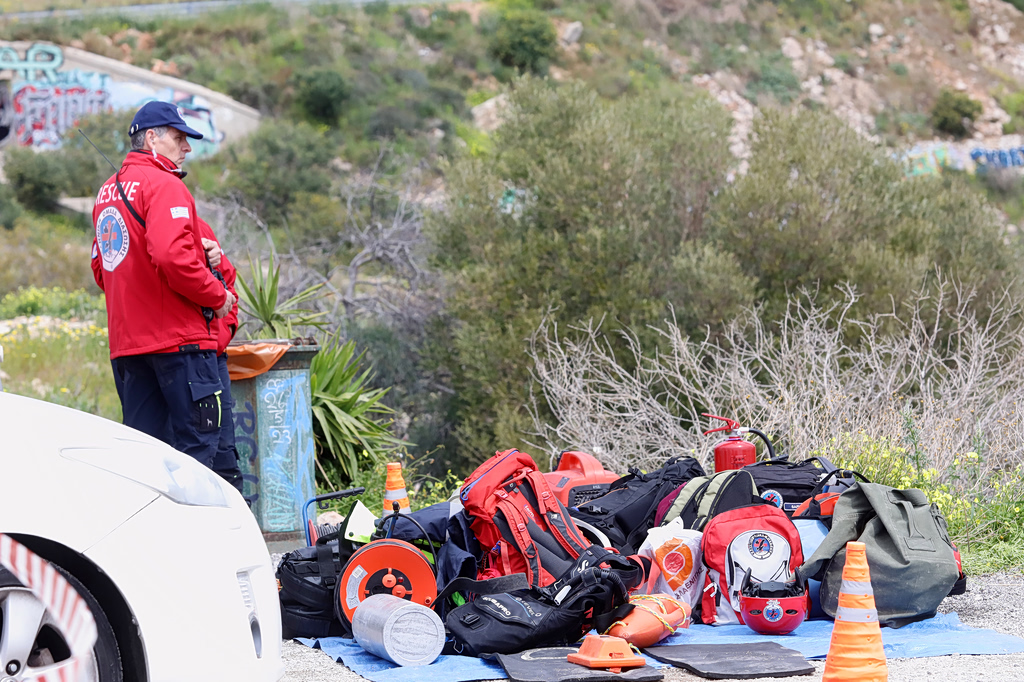
 Maldives President Mohamed Muizzu confirmed on Saturday the death of Staff Sergeant Mohamed Mahdi, a member of the Maldives National Defence Force (MNDF), who had been participating in the search operation for the missing divers.
In a statement, the president described the news as “heartbreaking” and expressed his sorrow over the loss of the rescuer.
According to information released so far, the experienced diver reportedly fell ill during the operation and was rushed to hospital, where he died shortly afterwards.
Italian newspaper La Repubblica, citing Maldives-based journalist Ounais Ahmed, reported that the sergeant is believed to have died from DCS — decompression sickness. The serious condition affects divers after rapid ascent or prolonged exposure at significant depths.
NEWSLETTER TABLE TALK
Never miss a story.
Subscribe now.
The most important news & topics every week in your inbox.
Three Scenarios Behind the Maldives Diving Disaster
Italy remains in shock following the deaths of the five divers who descended into the waters of the Vaavu Atoll in the Maldives on Thursday and never resurfaced.
The victims were identified as 51-year-old University of Genoa professor Monica Montefalcone, her 23-year-old daughter Giorgia Somacal, 30-year-old Federico Gualtieri, 31-year-old Muriel Odenino and diving instructor Gianluca Benedetti.
The group had descended to a depth of around 50 meters in an attempt to reach an underwater cave stretching approximately 260 meters in length.
All five were experienced divers, and nothing appeared to foreshadow the tragedy. According to Italian media reports, alarm was raised when bubbles stopped appearing on the surface of the water. At that point, members of the expedition aboard the vessel Duke of York alerted authorities shortly before 2 p.m. on Thursday.
So far, authorities have managed to recover only one of the five bodies, with the operation proving extremely difficult and highly dangerous due to severe weather conditions.
Experts cited by Italian outlets, including Il Messaggero, have outlined three possible scenarios behind the deaths of the five Italians.
The first scenario concerns the gas mixture supplied to the divers by the Duke of York. According to La Repubblica, the yacht provided the group with nitrox, a mixture of nitrogen and oxygen commonly used in demanding dives. However, at a depth of 50 meters, an incorrect oxygen ratio can turn deadly: under pressure, oxygen becomes toxic to the human body, placing immense strain on muscles, including the heart.
To avoid this, divers at certain depths generally require a lower percentage of oxygen and a higher percentage of helium in the breathing mix. If this balance was not properly maintained, all five divers could have been affected almost simultaneously — potentially explaining why none managed to return to the surface.
The second scenario focuses on the cave the group attempted to explore.
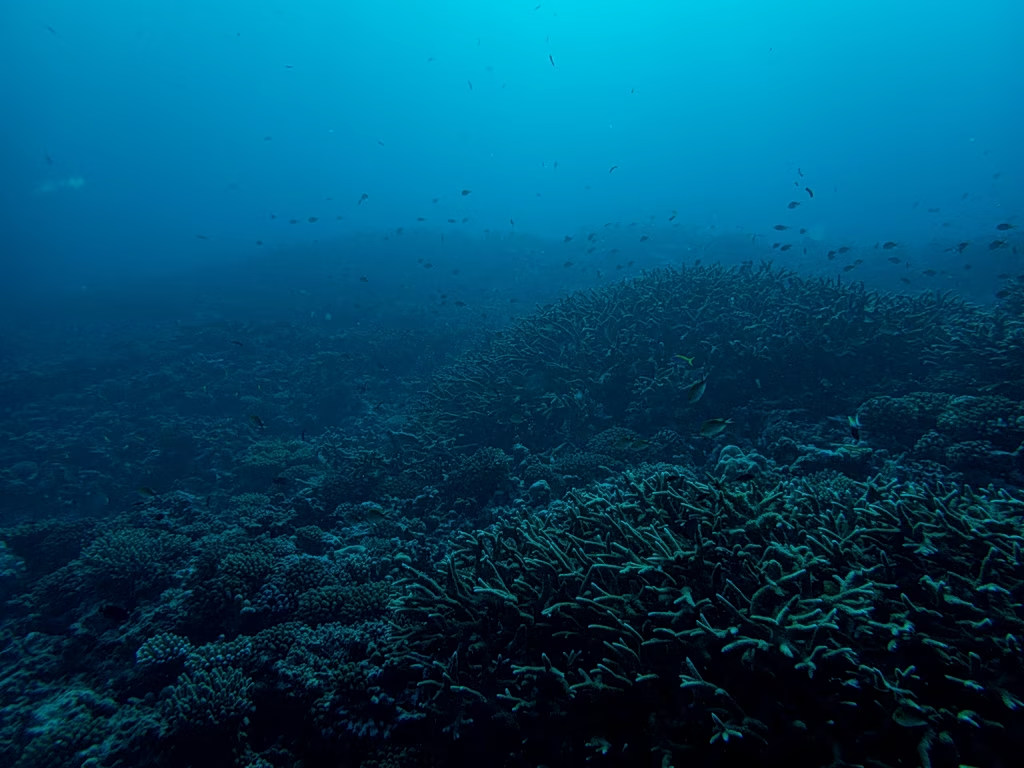
The underwater Alimathaa cave is described as a coral canyon roughly 260 meters long, reaching depths of up to 60 meters, with low visibility, narrow passages and branching tunnels.
Combined with a “yellow” weather warning issued on Wednesday night due to strong winds and rough seas, visibility underwater may have been severely reduced. Under such conditions, even experienced divers can lose their sense of direction. Panic can then set in quickly: movements become frantic, air consumption accelerates and the available time to find an exit disappears faster than expected.
The near-simultaneous loss of all five members of the expedition suggests that whatever happened affected the group rapidly and collectively.
The third scenario being examined — although considered less likely — is that one of the divers became trapped somewhere inside the underwater cave, causing the others to exhaust both oxygen and energy while attempting a rescue.
Strong currents in the Indian Ocean, potentially made even more unpredictable by the bad weather conditions, may also have prevented any safe return to the surface.