 Μake us preferred on Google
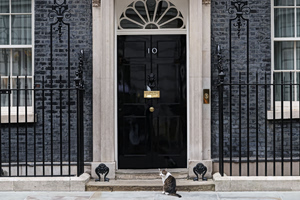
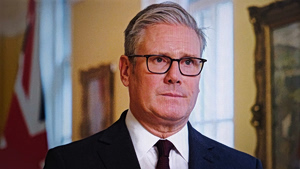
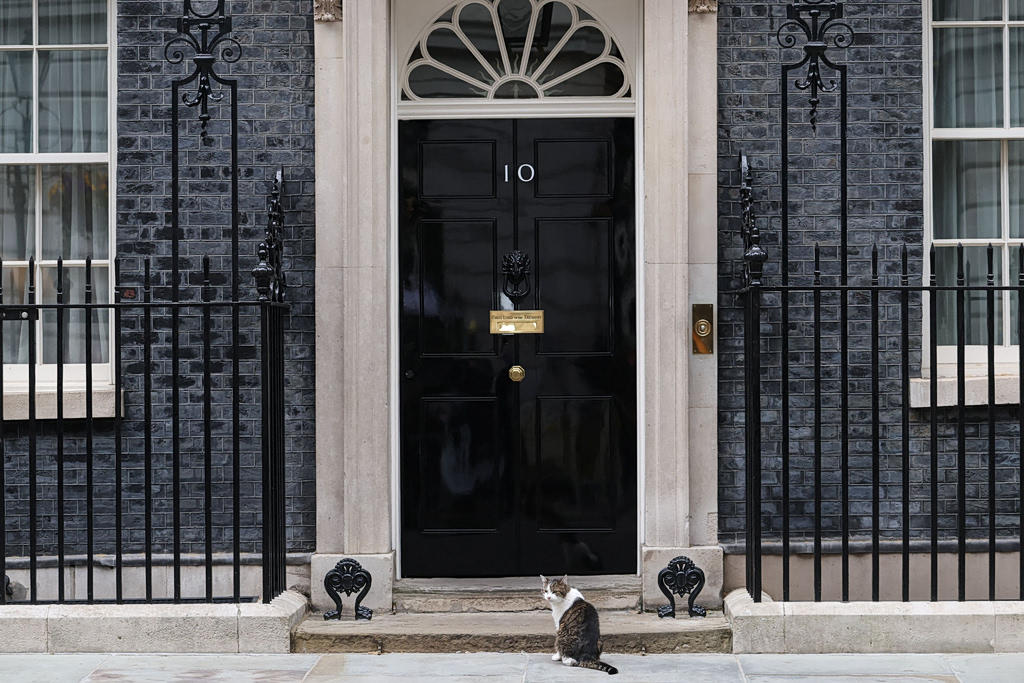
 British Prime Minister Keir Starmer spent Tuesday consulting with allies about his political future, ahead of a high-stakes cabinet meeting that followed the resignation of ministerial aides and nearly 80 lawmakers publicly demanding he step down.
Starmer, who has been in office for less than two years, had pledged on Monday to stay the course after a large portion of his parliamentary party turned against him in the wake of one of the worst election performances Labour has seen in last week’s local elections.
According to British media reports, several cabinet ministers, including Home Secretary Shabana Mahmood and Foreign Secretary Yvette Cooper, have privately told Starmer he needs to announce a date for his departure. Miatta Fahnbulleh, the Minister for Devolution, Faith and Communities, became the first sitting government minister to publicly break ranks, writing in a letter to Starmer that his government had not acted with the “vision, pace and ambition” the public mandate demanded, and urging him to set a timetable for an orderly handover of power.
Senior minister Darren Jones told Times Radio on Tuesday that Starmer was consulting colleagues and that the decision was ultimately his alone. “He’s listening to colleagues, and he’s talking to colleagues. I can’t get ahead of any decision he may or may not take,” Jones said.
Starmer had attempted to shore up his position on Monday with a speech pledging bolder and more urgent action on Britain’s mounting challenges. But the address did little to stem the tide, as lawmakers almost immediately began publicly calling for his removal, sending borrowing costs higher.
UK 30-year gilt yields hit 5.8%, their highest level since 1998, as investors fretted that a potential successor could be more left-leaning and less fiscally disciplined. The pound dropped roughly 0.7% against the dollar.
Starmer had argued that the country would never forgive Labour if it launched a leadership contest just two years after its massive parliamentary majority was meant to end the political turmoil that had gripped Britain since the Brexit vote a decade ago.
At the cabinet meeting, however, Starmer held firm, telling ministers that a formal leadership challenge had not been triggered and that the country expected the government to carry on governing. “The Labour Party has a process for challenging a leader and that has not been triggered,” he said. “The country expects us to get on with governing. That is what I am doing and what we must do as a cabinet.”
What Comes Next
Should Starmer step down in the coming weeks, he would become Britain’s seventh prime minister in ten years. His departure would likely benefit Health Secretary Wes Streeting, a figure from the party’s center-right who is widely seen as a stronger communicator. Other potential contenders face their own hurdles: Greater Manchester Mayor Andy Burnham currently lacks a seat in Parliament, and former Deputy Prime Minister Angela Rayner has yet to fully resolve the tax issues that led to her resignation from government last year.