
 Μake us preferred on Google
 LONDON—U.K. Prime Minister Keir Starmer faced a growing mutiny among his own Labour Party on Monday, as several dozen lawmakers publicly demanded he step aside to make way for a new leader.
The chorus of statements, mainly by lawmakers on the left wing of the Labour Party, comes just days after Labour slumped to one of its worst-ever performances at local elections, and as Starmer’s approval ratings remain mired at near record lows of about 20%.
By Monday night, 75 of Labour’s 403 lawmakers had made statements asking for the prime minister to quit. A handful of junior ministerial aides also resigned to pressure Starmer to quit.
There was growing speculation that several members of the cabinet would tell Starmer on Tuesday that he needs to set out a date for his departure to ensure an orderly transition, a move that would ramp up pressure on the embattled former prosecutor. When asked whether senior ministers will tell Starmer on Tuesday that his time is up, Stephen Kinnock , a health minister, said “they may well do.”
So far, Starmer has vowed to stay put. Britain has already had five prime ministers in seven years, a record period of instability in one of the world’s oldest democracies that has also sapped investor confidence in the world’s fifth-largest economy. Starmer got elected in part vowing to end the chaotic game of musical chairs under the previous governments of the Conservative Party and bring stability to the country’s top job.
Earlier in the day, the 63-year-old made an impassioned speech to his party in a bid to stave off the brewing rebellion, promising to shift his government further to the left to appease his base. Swapping his traditional coat and tie for rolled-up shirtsleeves, Starmer promised a more activist government where “stories beat spreadsheets” and said “incremental change won’t cut it.”
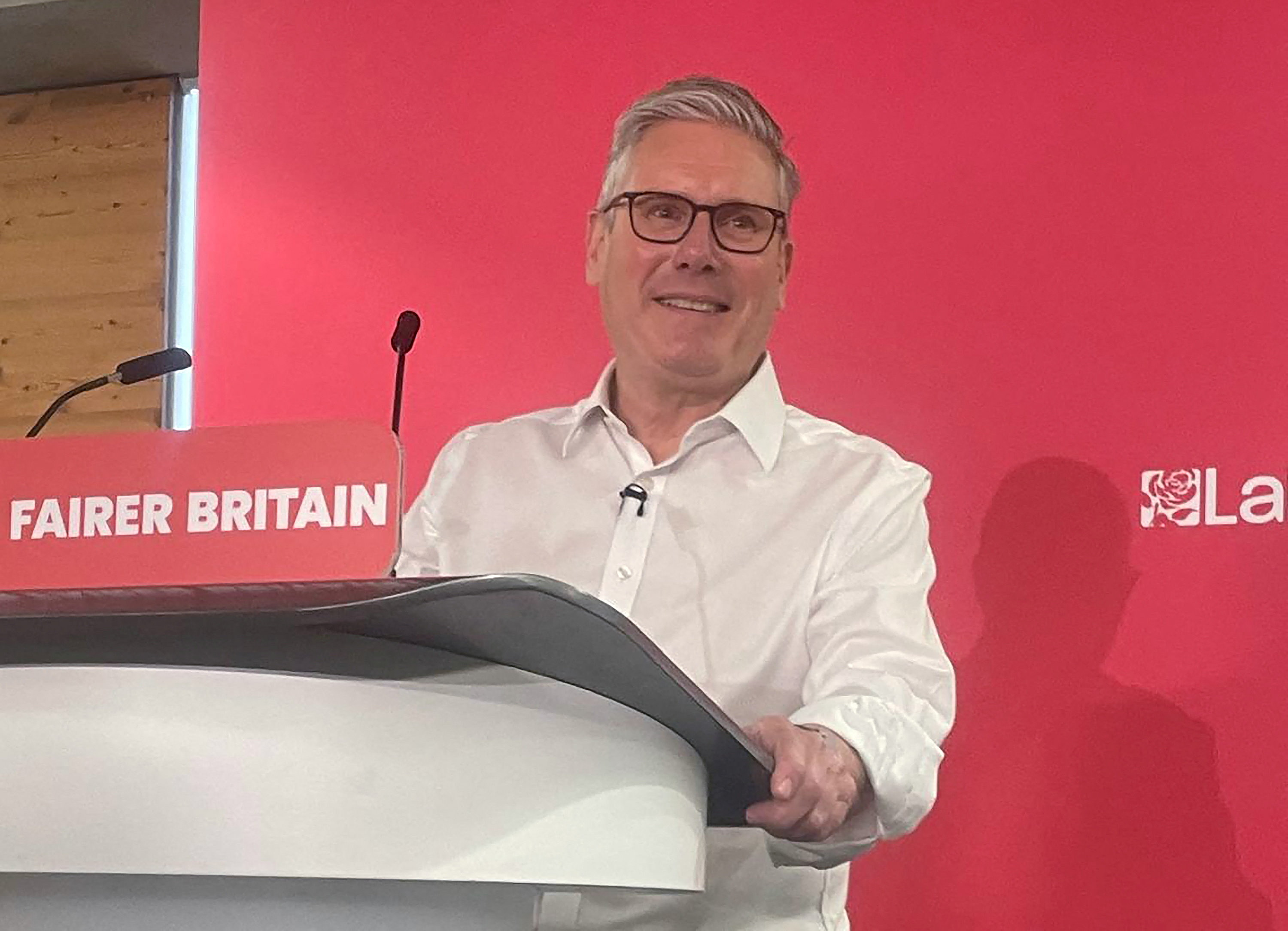
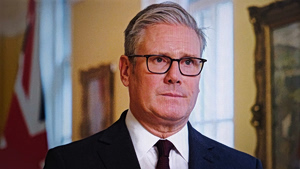
Britain’s Prime Minister Keir Starmer delivers a speech at a Labour Party event in London, Britain, May 11, 2026. REUTERS/Elizabeth Piper
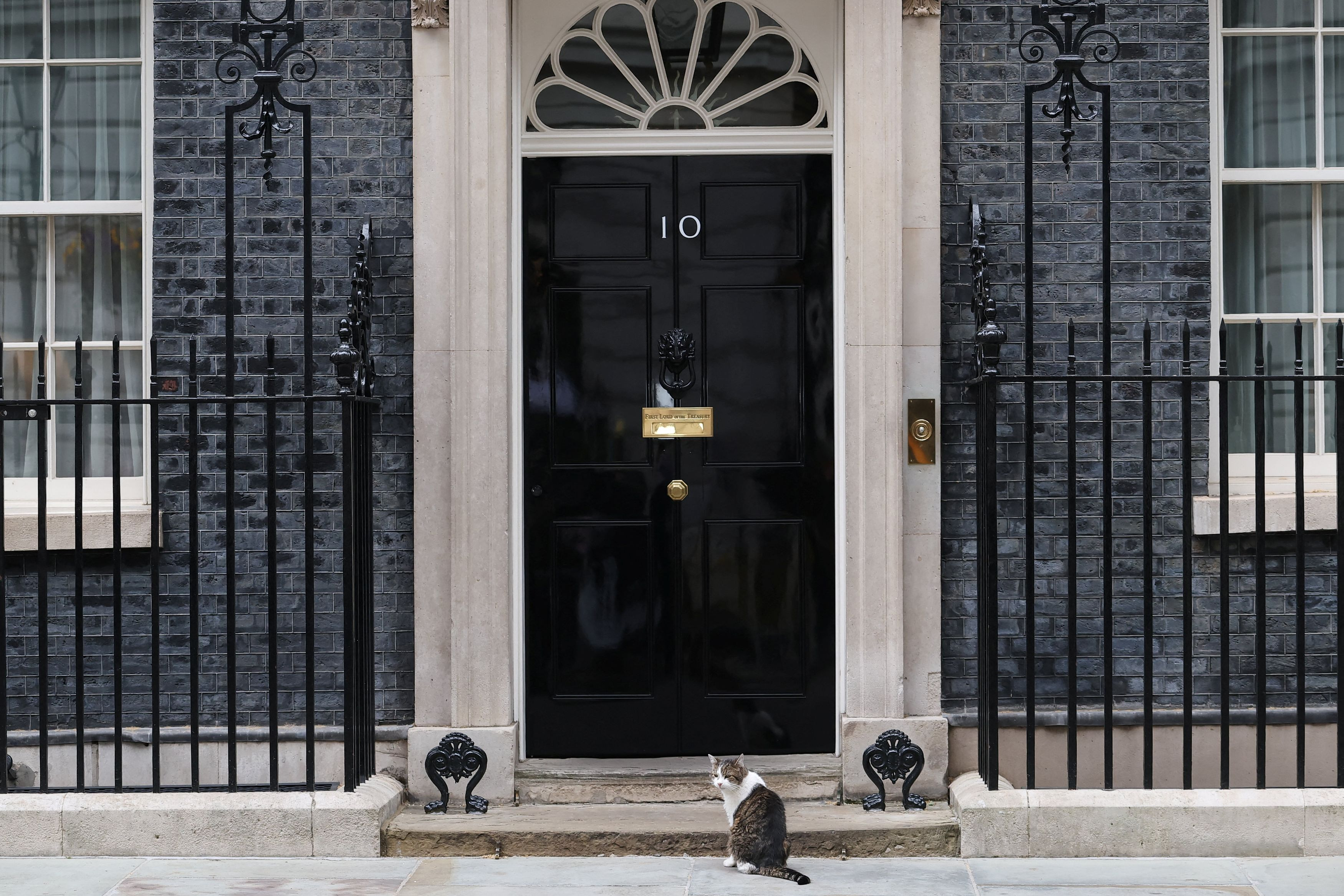
But the speech doesn’t seem to have bought the embattled leader much time, as a drumbeat of lawmakers subsequently took to social media to demand he leave Downing Street. “Labour lies on its death bed – with the only realistic cure being a change of direction and a change in leadership,” said Mary Kelly Foy, a Labour lawmaker, on X.
The focus in Westminster is whether the rebellion continues to build steam. To trigger a challenge under the Labour Party’s rules, 81 lawmakers must back a rival candidate. Then Labour members and trade unions must vote for their preferred candidate. However, there is deep division within the Labour Party over who is best to replace the prime minister.
So far, Starmer’s position has been secured due mostly to a technicality: His main challenger isn’t a lawmaker and so can’t launch a leadership bid against him. Andy Burnham, the mayor of Manchester, is favored by lawmakers on the Labour left but must first get elected to parliament. That could take months.
Angela Rayner , the former deputy prime minister, was seen as throwing her weight behind Burnham, saying Monday that past efforts to prevent Burnham from becoming a lawmaker “was a mistake that the leadership of our party should put right.” Labour’s ruling body, which includes Starmer, voted to block Burnham from standing for parliament this year, citing the cost of holding a mayoral election in Manchester to replace him. Burnham’s supporters want any leadership contest to be delayed until their man is back in parliament and can take part.
Wes Streeting, the health secretary, who is popular with more centrist Labour lawmakers, has been preparing a potential challenge to Starmer for months and is ready to launch a campaign if Starmer is forced from office, U.K. officials say. If he moves this week Streeting could trigger a leadership challenge before Burnham is able to take part in the contest.
Starmer says the U.K. has paid the price for having cycled through five prime ministers in recent years and that now was a dangerous time for a leadership change, with a geopolitical crisis from war in Iran.
Financial markets will be watching. The British government is already paying a premium to borrow compared with other major Western economies, and investors are likely to frown both at further instability as well as any meaningful shift to the left, which would likely translate to increased government spending and therefore borrowing. The U.K. already has the highest tax rate and level of debt as a percentage of the economy in more than 60 years, since just after World War II. That gives it little room to maneuver, especially with an economy that seems stuck in the doldrums.
On Monday, U.K. government borrowing costs rose slightly as Starmer said the government would launch a process to fully nationalize British Steel, a loss-making steelmaker that is currently owned by the Chinese group Jingye. The government already has operating control over the company.
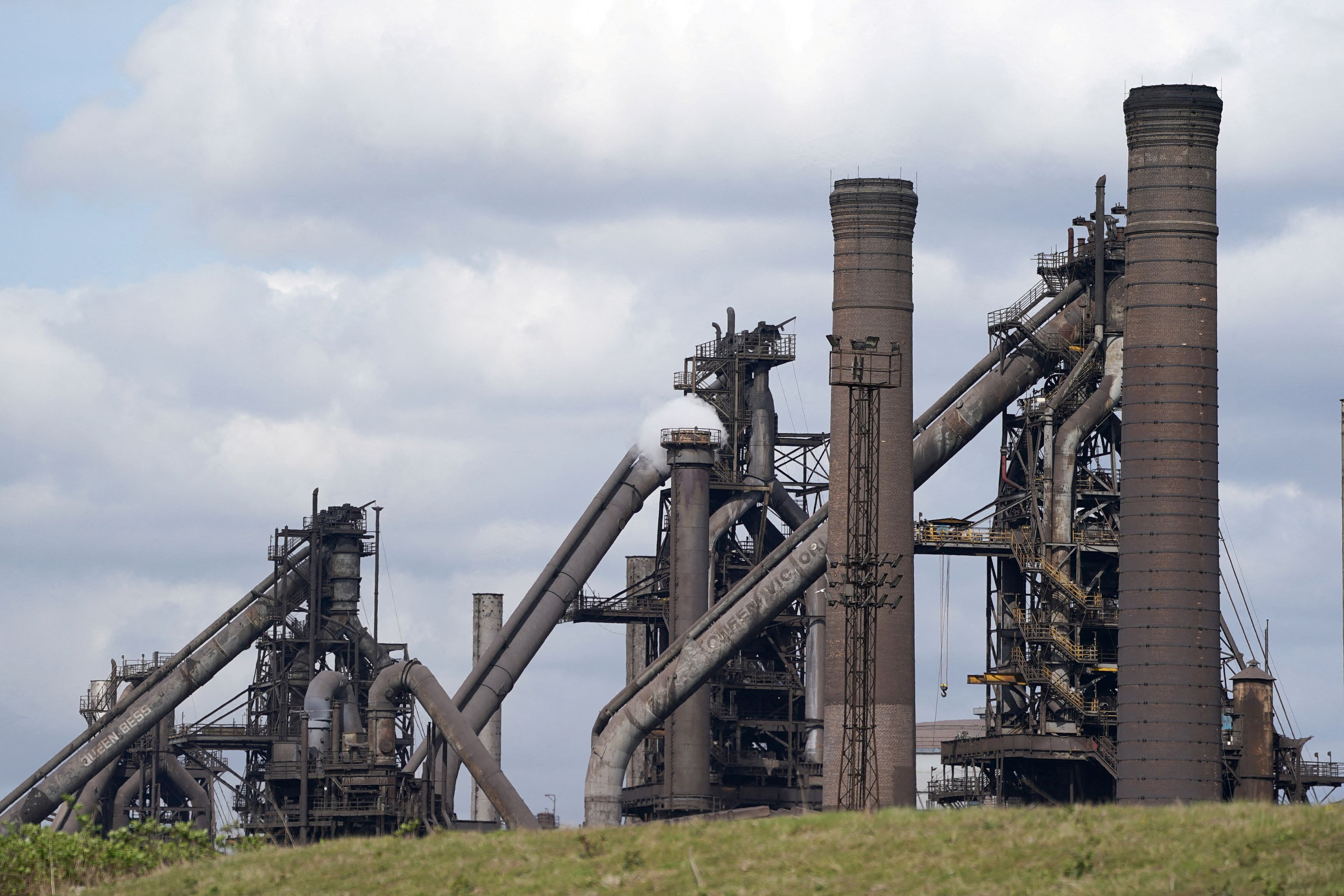
FILE PHOTO: A general view of blast furnaces at British Steel’s Scunthorpe plant, Scunthorpe, Britain, April 14, 2025. REUTERS/Dominic Lipinski/File Photo
Investors are also pricing in months of potential uncertainty over the direction of the country and the fact that hardly anyone in Britain’s political class is advocating curbing spending, says Moyeen Islam, a fixed-income strategist at Barclays. “The bar for selling gilts is getting ever lower,” he said, referring to British debt.
Burnham, who entered government under centrist Tony Blair, has already twice unsuccessfully attempted to become leader of the Labour party. Earlier this year, Burnham made a speech calling for “business-friendly socialism” and said the government should seek “to roll back the 1980s and take more public control,” referring to the era of widespread privatization and deregulation under former British prime minister Margaret Thatcher. He has called for nationalizing water, energy and transport markets. He also lamented that Britain had put itself at the mercy of bond markets.
After Starmer’s election in 2024, he pledged to focus on growing the economy as a means to pay for a bigger state. However, economic growth has struggled under the weight of new taxes his government has imposed, an aging population and a long-running productivity crisis.
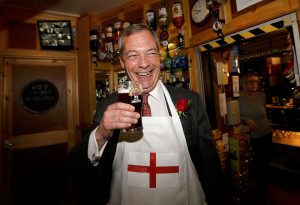
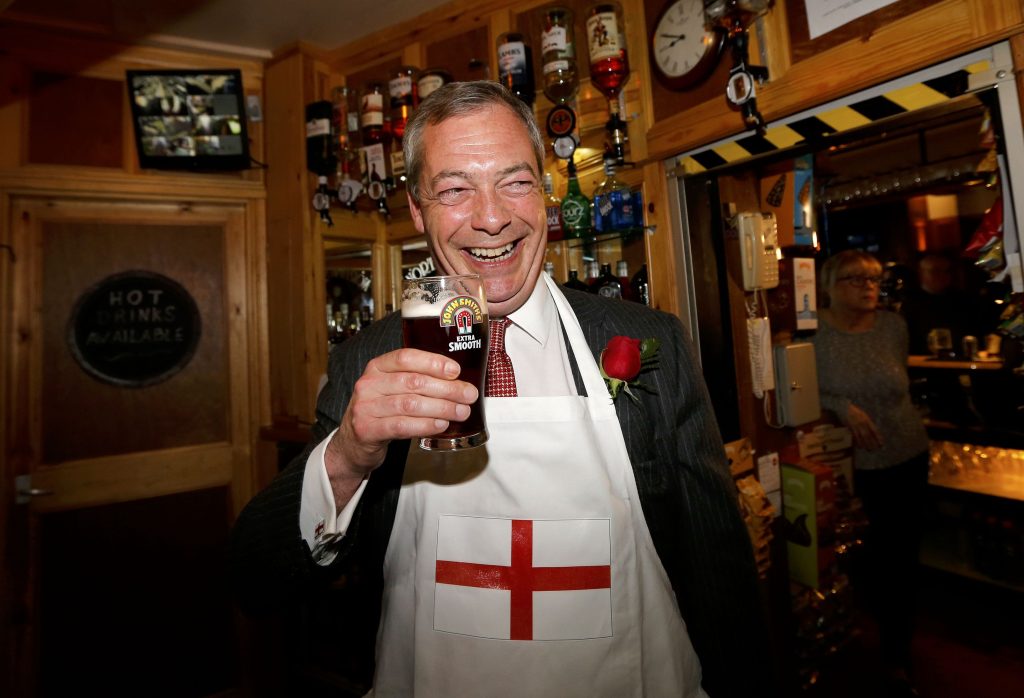
Aware of Burnham’s shadow looming over the party, Starmer on Monday took a more muscular approach, saying he wanted an “activist” state and railing against Brexit and its architect Nigel Farage, whose anti-immigration Reform UK party is leading in polls and is pulling in swaths of disaffected working-class Labour voters. He said Farage’s promises on Brexit, from lower immigration to more money for the state-run health service, were false, calling him a “grifter.”
Starmer promised to put the U.K. “at the heart of Europe,” but what that means in practice is unclear. Despite the pro-Europe talk, Starmer’s more daring options are limited by his own pre-election pledges to not reopen the Brexit debate by seeking to rejoin the European Union’s single market or customs union. His government said after the speech that his position on those “red lines” hasn’t changed.
Write to Max Colchester at Max.Colchester@wsj.com