 Μake us preferred on Google
 Cubans contending with widespread blackouts and growing desperation increasingly hope that a U.S. pressure campaign will lead to change on the island, even as the communist government projects defiance.
Many see a chance for greater freedom and economic transformation, even as others vow to resist any American military intervention. And all those stranded in the darkness without electricity in the midst of an oil blockade imposed earlier this year by the Trump administration urgently want their lights and water back.
“It’s true that there’s a blockade against Cuba, but something good has to come out of all this,” said Iraida Ávila , who lives on the outskirts of Havana with her daughter, who has cystic fibrosis.
As the U.S. signals it intends to raise the pressure on the Cuban government, some see an opportunity for fundamental changes to the island’s moribund economy and its repressive political system.
“Many people believe that we are in the last part of the tunnel, and that Cuba will soon find itself again, find its liberty. This is the last bitter drink we will have to take,” said Manuel Cuesta Morúa , a longtime political activist. He said many people are in a state of “hopeful anguish,” feeling that Cuba’s terrible condition can’t last much longer.
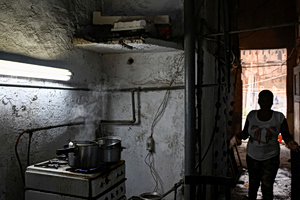
Ávila and many other Cubans are surviving the crisis with help from overseas, from friends and relatives, church groups or donations. They are dealing with high prices for basic food products, and no fuel or power. In many cases, that also means a lack of running water, which often depends on pumps that operate on electricity.
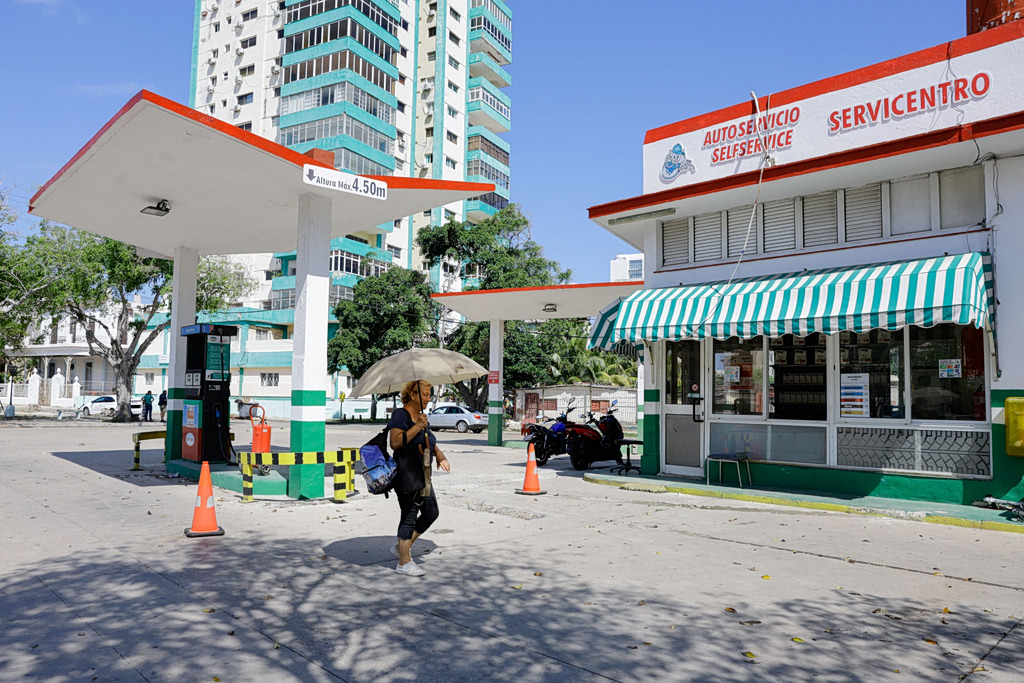
A woman walks past an empty gas station as the country plans to implement variable fuel prices to reflect the actual costs of importing gasoline and diesel amid a U.S. blockade that has strangled the island of fuel, in Havana, Cuba, May 15, 2026. REUTERS/Norlys Perez
“We’re an island adrift,” said Yasser Sosa Tamayo , who runs a charity in Santiago de Cuba supplying food and medicine bought with contributions from abroad to more than 100 children and 400 adults.
Sosa said his job is to find ways to feed the most vulnerable people in the city, including doctors and professionals now living on meager pensions. He used to receive food from the Cuban community in the U.S. through local shipping companies, but those deliveries by truck stopped because of the fuel shortages.
He recently published “Chronicles of a Shipwreck,” a book describing the broken and exhausted lives of Cubans based on his encounters on the streets of Santiago, on the southeastern tip of the island. “We are prisoners without bars,” he said.
In Camagüey, in central Cuba, Irina Fals, a hairdresser, belongs to a WhatsApp group with Ávila for mothers with children who have cystic fibrosis, where they share tips and experiences.
Because of constant blackouts and fuel shortages, Camagüey residents have electricity for only two or three hours a day, putting Fals and her son in a critical situation. She can’t use nebulizers for his treatment when he becomes seriously congested.
“My child gets dehydrated from sweating; now with the arrival of the heat, he’s thin and has dark circles under his eyes,” Fals said. “We need a change. For us and our son, for a better quality of life.”
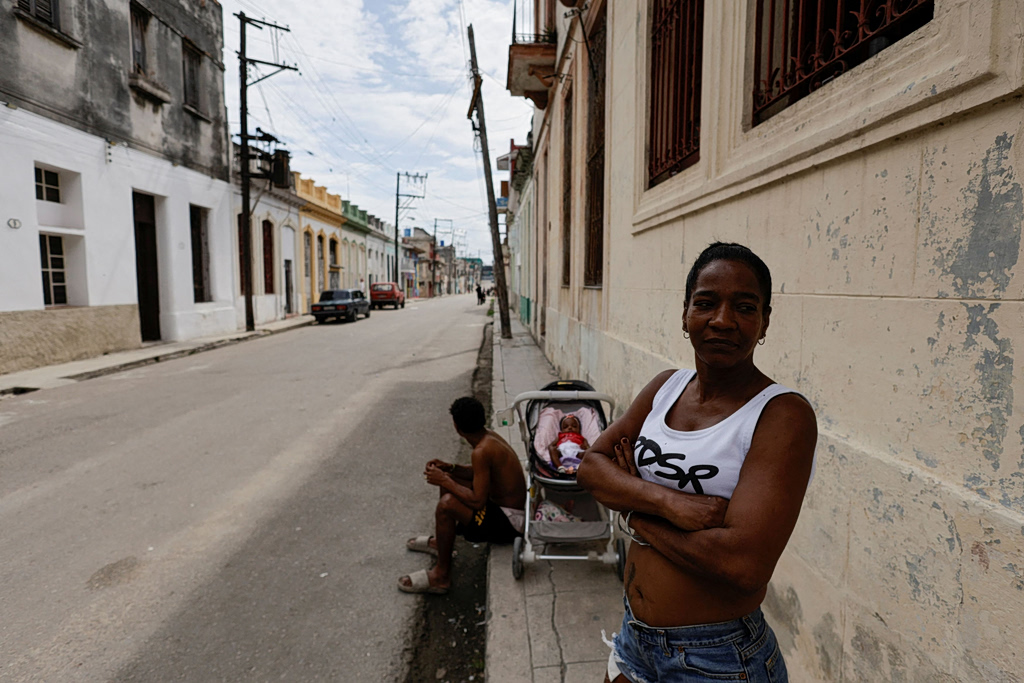
A family cools off outside their house due to lack of electricity as Cuba’s electrical grid suffered a partial collapse early Thursday morning, cutting power across eastern Cuba amid a U.S. fuel blockade, in Havana, Cuba, May 14, 2026. REUTERS/Norlys Perez
Some enterprising Cubans with access to U.S. dollars are making a living during the instability. One young restaurant owner in Havana buys used electric cars in the U.S. for $20,000 and flips them for double the price on the island. Others have engineered ways to ship diesel fuel and gasoline from the U.S. to sell to private-sector buyers on the island.
The status quo, meanwhile, appears under increasing threat from Washington. Central Intelligence Agency Director John Ratcliffe flew Thursday to Havana, where he told Cuban officials they have a limited window to stabilize the island’s economy and engage with the Trump administration. Now, the U.S. intends to prosecute Raúl Castro , the frail revolutionary patriarch and former president, on criminal charges, The Wall Street Journal has reported.
“Cuba is calling us,” President Trump said Tuesday. “They need help, but Cuba is a failed nation.”
Castro’s closest family and friends have recently stopped engaging in their daily routines—the first time they have hunkered down since Washington intensified its pressure campaign, said a person close to the family.
A military intervention would provoke “a blood bath with incalculable consequences,” Cuba’s president, Miguel Díaz-Canel , said Tuesday on his X account.
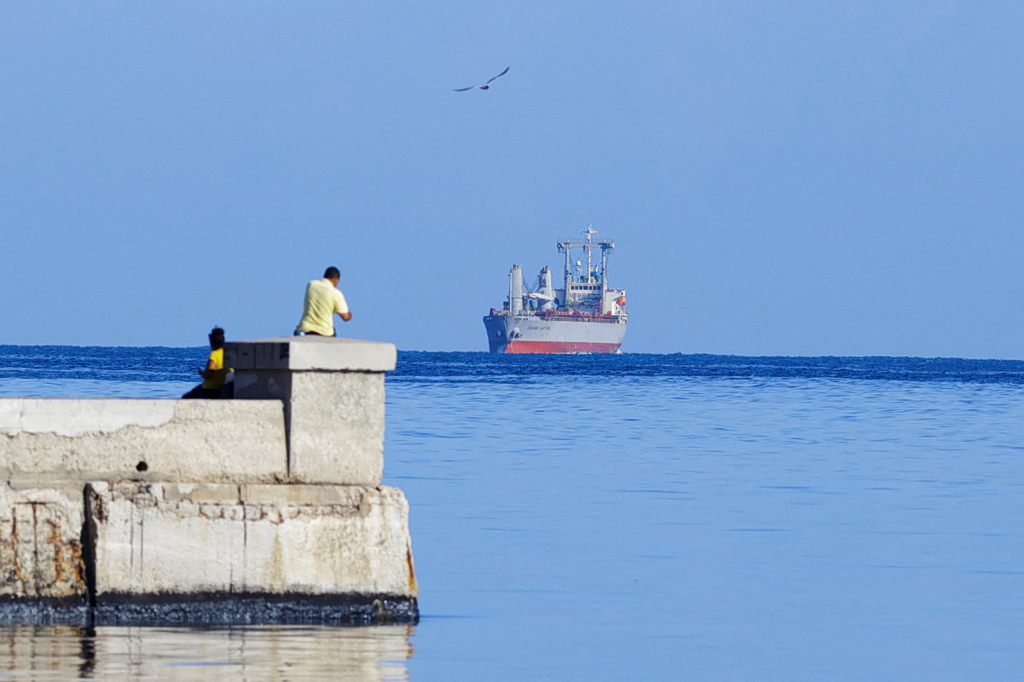
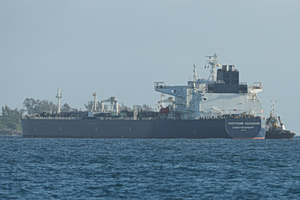
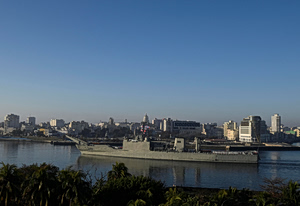
A Mexican Navy ship, Asian Katra, carrying aid approaches Havana, Cuba, May 18, 2026. REUTERS/Norlys Perez
Some Cubans said that they are ready to die for their country if the U.S. takes military action. Even using slingshots, they would cause a lot of U.S. casualties, joked one former intelligence agent. He vowed to defend Castro and said thousands of others would join him to fight for the elderly Cuban leader.
In Havana, teenage soldiers on the rooftops of military buildings scan the sky through binoculars for American drones. The mother of one brings her son food overnight to ease his hunger pangs. He was pulled out of his home last year and drafted for military service, according to Katia Guerra, who sends the family money from Miami.
“No young person wants to be there, they’re all forced. They’re told that they’re there to protect and defend the president,” Guerra said of the young soldiers. “His mother is desperate.”
Write to José de Córdoba at jose.decordoba@wsj.com , Deborah Acosta at deborah.acosta@wsj.com and Santiago Pérez at santiago.perez@wsj.com