
 Μake us preferred on Google
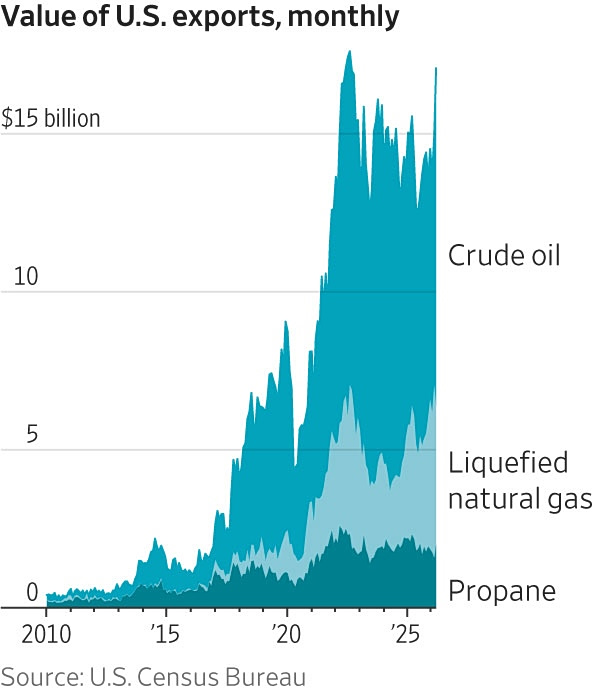
 The shale-drilling boom that began two decades ago not only flooded U.S. markets with oil and gas, it transformed the country into the world’s largest energy exporter.
From crude oil and liquefied natural gas, or LNG, to other products such as propane and wood pellets, the flow of fuel from U.S. ports has put a big dent in the national trade deficit and helped to stabilize overseas markets during war and other periods of scarcity.
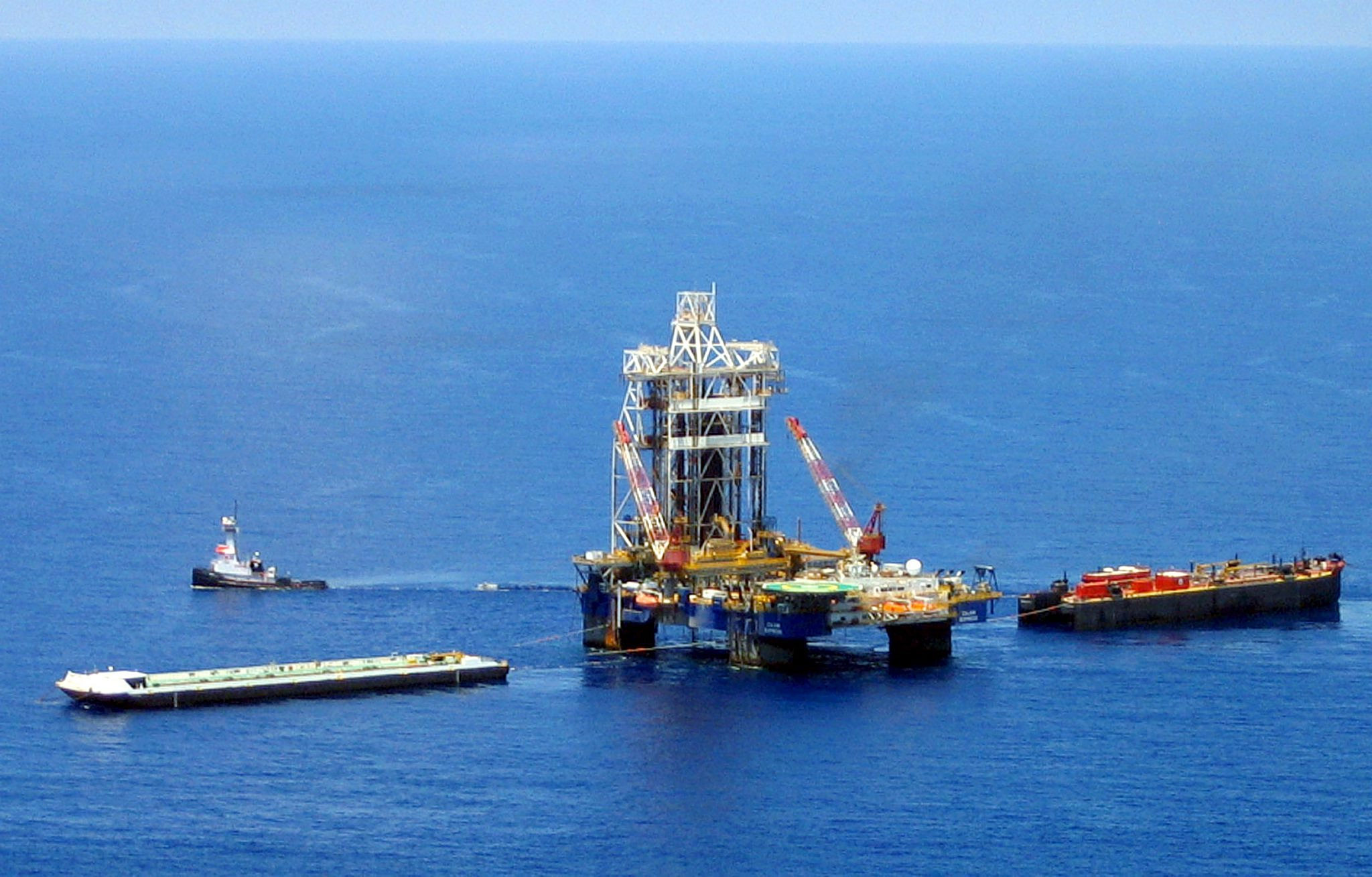
The war in Iran is the latest disruption. About 20% of the world’s supply of oil and roughly the same portion of its LNG have been cut off at the Strait of Hormuz, leading import-dependent countries to seek alternatives. Many are turning to the U.S., where an unusually large armada of tankers are headed to fill up.
Energy-industry analysts expect export volumes—already at or near records for various products—to notch new highs. “The question arises as to how long the U.S. can maintain this high pace of exports without jeopardizing its own security of supply,” Commerzbank analyst Norman Liebke wrote in a note to clients.
One limiting factor will be the availability of export infrastructure, such as the multibillion-dollar terminals that chill natural gas to minus 260 degrees Fahrenheit to make it a liquid suitable for ocean transport.
Natural gas
undefined U.S. output, which grew again in recent weeks with the opening of the Golden Pass LNG terminal on the Texas coast, has helped keep global prices much steadier than in 2022, despite the Hormuz closure.
South Korea, Spain, Italy and France each bought at least 50% more U.S. LNG in March than they did in February before fighting broke out in the Persian Gulf, according to LSEG.
Crude oil
Infrastructure spending has facilitated record U.S. oil exports, too. The Port of Corpus Christi, the outlet for the prolific Permian Basin oil fields, finished a $625 million expansion last year to deepen and widen its ship channel to handle two-way traffic of fully loaded tankers.
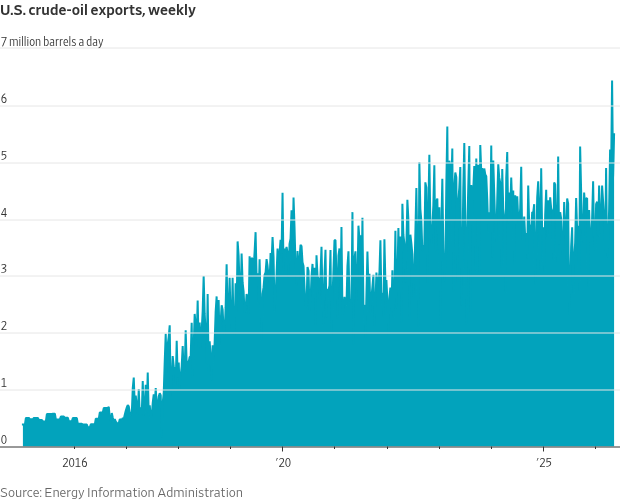
The war resulted in a record month of shipments at the Texas port in March and drove U.S. crude exports, which were prohibited before 2015, to new highs in April.
Propane and other petroleum products
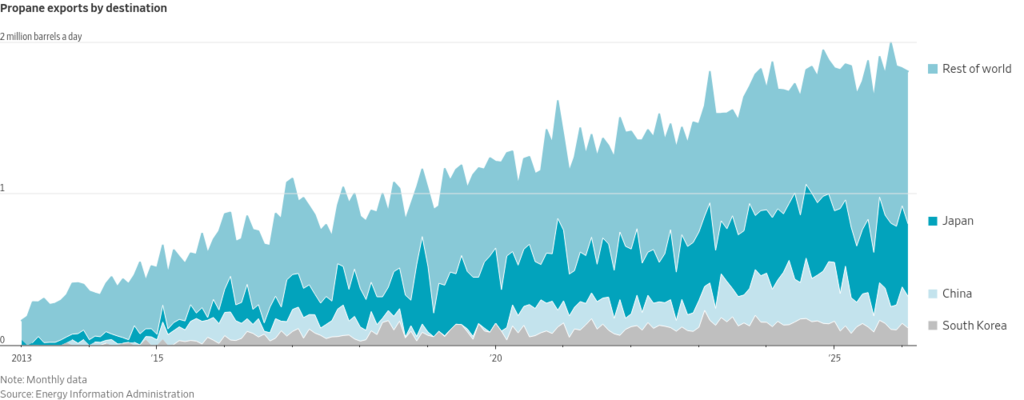
The U.S. is also a net exporter of refined products, including gasoline, diesel and jet fuel, shipments of which soared to a record last month amid a global shortage. But the most abundant petroleum-product export by far is propane.
Most Americans know propane as the bottled fuel that they use to grill meat during summer barbecues or take on camping trips. But around the world it is used to make plastics, heat households, power equipment such as forklifts and in some places even fuel automobiles.
Easily bottled, propane was the first bounty from the shale boom to flood into overseas markets, especially in Asia. The U.S. quickly overtook other energy exporters to become the world’s dominant supplier, accounting for more than 40% of the global export market.