
 Μake us preferred on Google
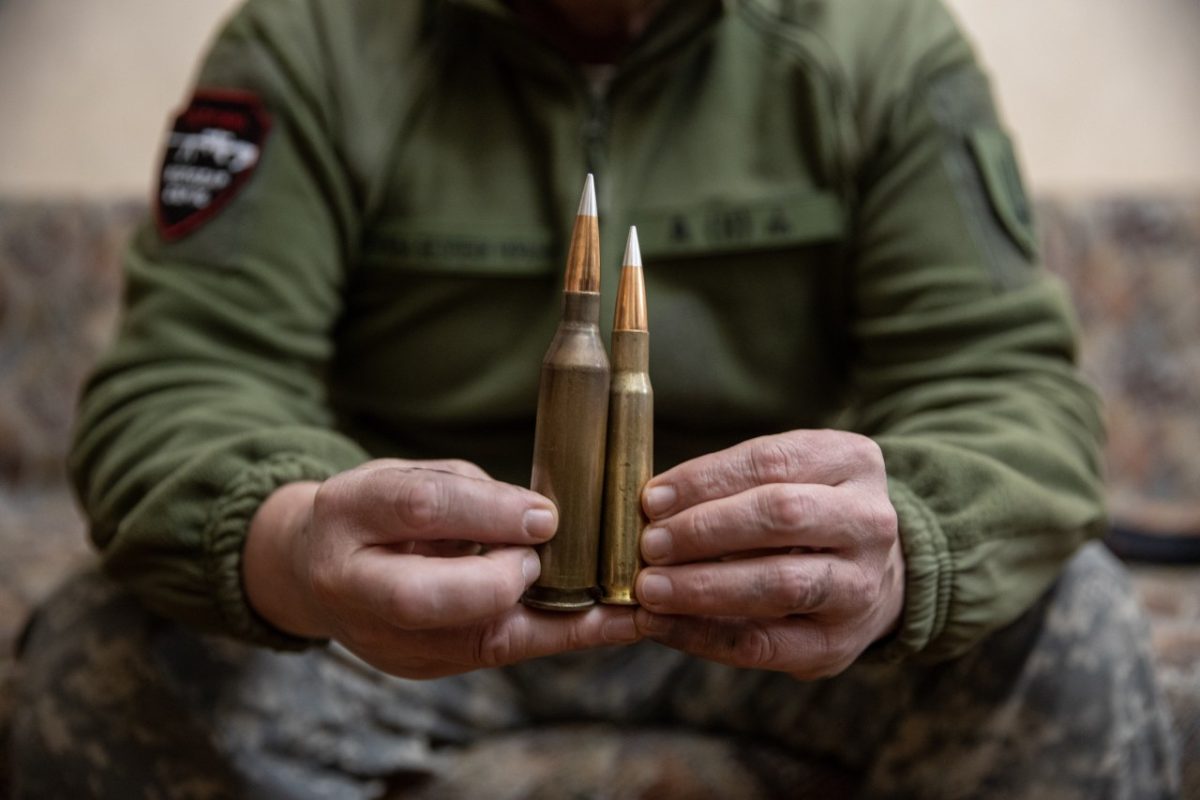
 A Ukrainian special-forces sniper claimed a world record in late 2023 with a shot that hit a Russian officer almost 2½ miles away.
These days Vyacheslav Kovalskiy has a new job: supporting drone pilots. He hasn’t been out to shoot in more than a year and a half.
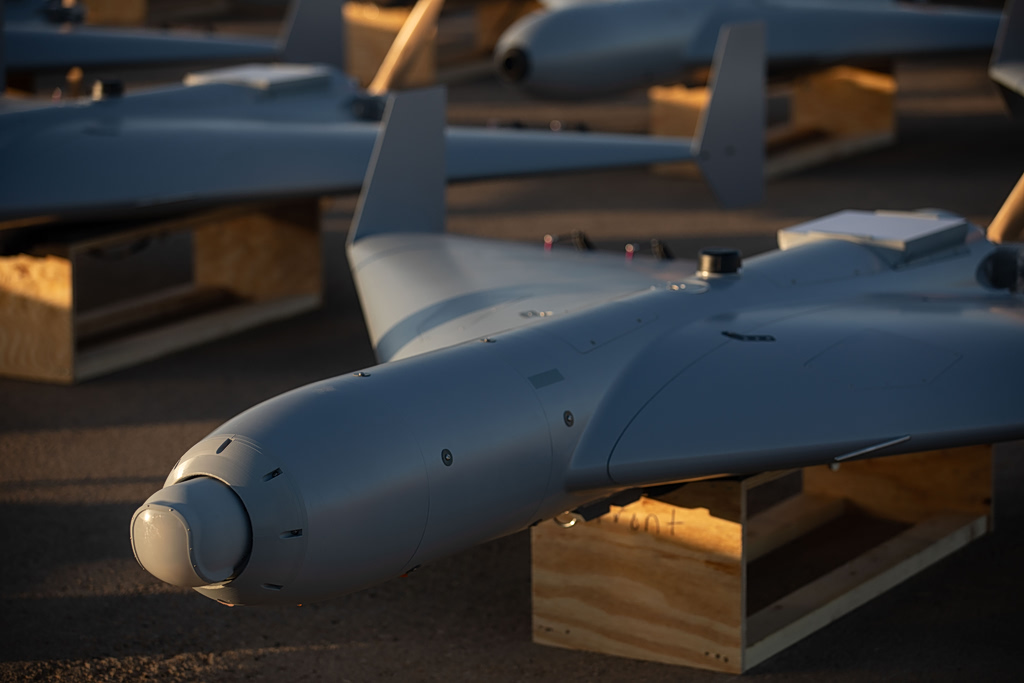
Small drones that are cheap and can be rigged with explosives have changed the face of warfare in Ukraine, pushing some traditional military roles down the billing. Spotters who call in artillery strikes are no longer needed. Tank crews have lost their swagger as their vehicles are top targets for aerial craft.
Unmanned vehicles are particularly suited to the sniper’s two main tasks of reconnaissance and targeted killing. Their key advantages include their bigger visual range, maneuverability and expendability: If the mission fails, the loss is a craft worth thousands of dollars rather than a life.
Ukraine still uses snipers. The U.S. also continues to train them. But in Ukraine they are being used less and in a changing role that is becoming more dangerous. Many snipers, like Kovalskiy, believe the era of sniping has passed.
“Drones are just more effective and cost less,” said Kovalskiy, who is part of a military counterintelligence division of the Security Service of Ukraine, or SBU.
“I used to be the sniper and everyone was dancing around me. Now the drone pilot, everyone dances around him, including me,” he said.
Kovalskiy, a 60-year-old former businessman, vaulted to fame after The Wall Street Journal revealed him as the man who pulled the trigger on what Ukraine claimed as a record-breaking shot in November 2023. His name entered a pantheon of sniping that was first developed by British and German troops during the trench warfare of World War I. The snipers include Ukraine-born Lyudmyla Pavlichenko, nicknamed “Lady Death” for her high kill rate in World War II, and the reputed deadliest American sniper, Chief Petty Officer Chris Kyle.
On the front line, young soldiers asked Kovalskiy for selfies, his children’s friends quizzed them about their father and chart-topping U.S. rapper Yeat posted his picture on social media.
But on the front lines, Kovalskiy’s star was already beginning to wane. His unit was seeing fewer targets. Russian soldiers adapted to a battlefield with ubiquitous drones by improving concealment. In five trips in 2024, he didn’t hit a single target.
That fall, the team spotted Russian soldiers at a dugout around 1½ miles away. They stayed underground during the day, and Kovalskiy didn’t have the right optical sights to shoot in the dark.
Ukrainian drones bombed the dugout and the next morning Russian soldiers emerged to examine the damage. Kovalskiy fired, but he only counts a hit if he is 100% sure that it was one.
That is one of the last times he went out.
Now he mainly works as an assistant to drone operators, helping them get into their position, fit explosives to the drone and sometimes help to navigate, while acting as part of a quick-reaction force if something goes wrong.
Drones have several advantages over snipers. In reconnaissance, a sniper can’t match the bird’s-eye view of a drone or the speed at which it can move. Drones, unlike bullets, can turn corners. A drone’s explosive warhead can do more damage than those bullets.
In 2022, a Ukrainian army sniper with the call sign Ivanhoe would spot enemy movement up to 2½ miles away and relay that information to guide artillery. The process took three to five minutes.
Now, “the drone operator sees it, the strike follows almost instantly,” he said. Ivanhoe has become a drone operator.
Snipers typically work in teams of at least two and have to move large quantities of equipment, including large-caliber guns, surveillance drones, cameras and even small generators.
They then walk up to 6 miles to avoid being detected carrying that equipment, all the time avoiding drones. They can spend up to a week in position before walking back.
“In comparison, you have a young pilot sitting in a bunker who just has to pull out his drone and away it goes,” said Kovalskiy.
Drones have made the sniper’s traditional role, getting close to or even behind enemy lines for days, a lot more dangerous. There is now almost nowhere to hide. Even if a sniper can find a hideout, their body heat may warm it enough for drones with thermal imagery to spot.
Several Ukrainian brigades said that they use the traditional sniper less.
Still, others say they continue to have an important role, particularly when acting as an expert marksman within an infantry unit.
Western nations such as the U.S. and U.K. say they aren’t giving up on their snipers. A Pentagon spokesman said the U.S. Army is still training as many snipers and has updated their course to address the proliferation of drones.
“The human sniper (is) a critical, unjammable, zero-signature asset on the modern battlefield,” said the spokesman, Lt. Col. Vonnie L. Wright.
A Ukrainian sniper commander whose call sign is Coyote said troops are still needed to take and hold positions, and snipers are part of that infantry.
His snipers, for instance, target Russian soldiers that have infiltrated behind Ukrainian lines or who get stranded after Ukraine pushes forward.
A sniper can also operate in all weather, unlike drones that struggle in cloudy or misty conditions, said Coyote, who commands a 28-strong sniper unit.
In the summer of 2024, around 15 of his snipers took up positions in tall buildings in the eastern town of Toretsk and spotted a group of some 35 Russians that drones had missed. As the Russians approached in three teams, the snipers killed 16 of them with a loss of only one of their own, Coyote said, helping Ukrainian infantry to withdraw as Russian forces encircled the city.
Snipers are also part of the defense against drones and Ukraine is even experimenting with using them to shoot down long-range Shaheds.
Kovalskiy, who was brought up to not point a rifle at a person when shooting as a sportsman, said there is one aspect of his old work that he doesn’t miss: killing.