
 Μake us preferred on Google
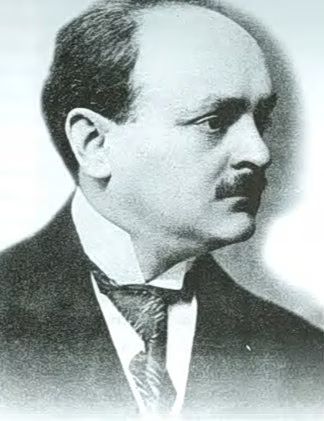
 “It is absolutely necessary that, amid the complex economic life of modern societies, there exist a powerful institution that is, by legal obligation, selfless in nature, one that exercises a regulatory function aimed at preserving, as much as possible, the economic equilibrium whenever it comes under threat. This mission and duty shall belong, in our country, to the Bank of Greece.” These were the words of Alexandros Diomidis, the first governor of the Bank of Greece, spoken just a few months before the institution was founded.
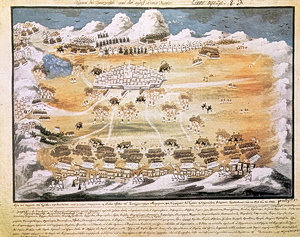
On May 14, 1928, today 98 years ago, in accordance with the Geneva Protocol and the agreement between the Greek state and the National Bank of Greece, a joint-stock company was established. This marked the Birth of the Bank of Greece.
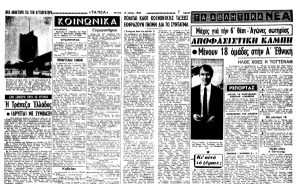
TA NEA,” May 14, 1968, Historical Archive of “TO VIMA” & “TA NEA
Under the agreement for the founding of the Bank of Greece, the National Bank relinquished its banknote issuance privilege, which had been set to expire in 1950. The exclusive right to issue currency across all of Greece was thus transferred to the newly established institution, valid until 1960.
At the helm of the Bank stand the Governor and the Deputy Governor. These two figures constitute the primary driving force of the institution, for although they are bound to act within the framework of the Charter and existing decisions, they are regarded as the architects and executors of those decisions. By virtue of their position, as well as their ongoing monitoring of domestic economic conditions and international economic developments, they bear primary responsibility for the successful conduct of credit and monetary policy, recommending to the General Council the economic course to be followed. Their selection is therefore of exceptional importance to the country’s economy and is a matter of general public interest, not merely a concern for the institution’s shareholders. The Governor and Deputy Governor, in accordance with Article 12 of the Charter, are appointed by decree of the Council of Ministers for a five-year term, upon the recommendation of the General Council of the Bank. The first Governor of the Bank of Greece was Alexandros Diomidis, and the first Deputy Governor was Emmanouel Tsouderos.
The above information was contained in a brief commemorative article published in the May 14, 1968 issue of the newspaper Ta Nea, marking the completion of four decades since the Bank of Greece began operations.

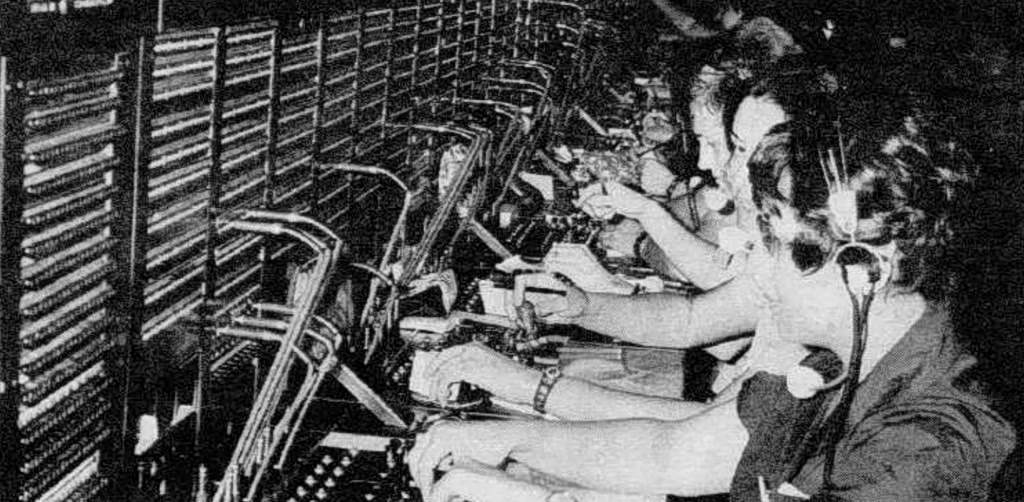
Greece’s central bank, which was established at the recommendation of the League of Nations and on the basis of the Geneva Protocol of September 15, 1927 (which provided for the granting of a 9-million-pound sterling loan to Greece), began operations on May 14, 1928 with a staff of 500 people.

This landmark decision was coupled with the National Bank’s surrender of its monopoly on banknote issuance (the printing of paper currency) in favor of the newly established Bank of Greece. From that point on, the National Bank was limited to commercial activities.
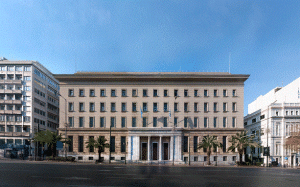
Article 4 of the Bank of Greece’s original charter stated that “the primary duty of the Bank is to ensure the stability of the gold value of its banknotes. To this end, it shall regulate, within the limits of its Charter, the circulation of currency and credit in Greece.”
The photographic material accompanying this article (with the exception of the photograph depicting Alexandros Diomidis) comes from the website of the Bank of Greece (www.bankofgreece.gr).