 Μake us preferred on Google
 For more than a century, Tatoi was a secluded retreat for Greece’s royal family, with its summer palace, gardens, forests, vineyards and agricultural buildings forming a self-contained estate on the northern edge of Athens.
Now, after decades of abandonment and extensive damage caused by the 2021 wildfire, the former royal estate is being reshaped as a public cultural and recreational destination.
The transformation is gathering pace, as the culture ministry is working toward the opening of three museum facilities in 2026, while a broader program of restoration, conservation and infrastructure development has exceeded 70 million euros. The historic core is expected to be completed in late 2026.
At the center of the project is the former Summer Palace, where a permanent exhibition will bring some 4,350 objects back into public view. They form a small part of the more than 100,000 movable objects and archival materials recovered at Tatoi and subjected to years of cataloguing, conservation and documentation.
The palace is being restored not simply as an architectural monument but as a record of the life of the royal household. Portraits of King George I and Queen Olga will be displayed alongside Carl Bloch’s “Prometheus Unbound,” while the library will be presented in the form it had during the reign of King George II. Offices, reception rooms and the dining room will form part of the visitor route.
The first floor will turn to the more intimate side of royal life, with clothing, personal possessions, military uniforms and decorations, silverware, religious icons and historic tableware. Among the objects are Queen Frederica’s wedding dress and dresses associated with Queen Anne-Marie and Queen Sofia.
The palace’s lower level will serve a different purpose, with educational programs, temporary exhibitions and screenings of archival material. The restoration of the building is continuing alongside the implementation of its completed museological and music score study.
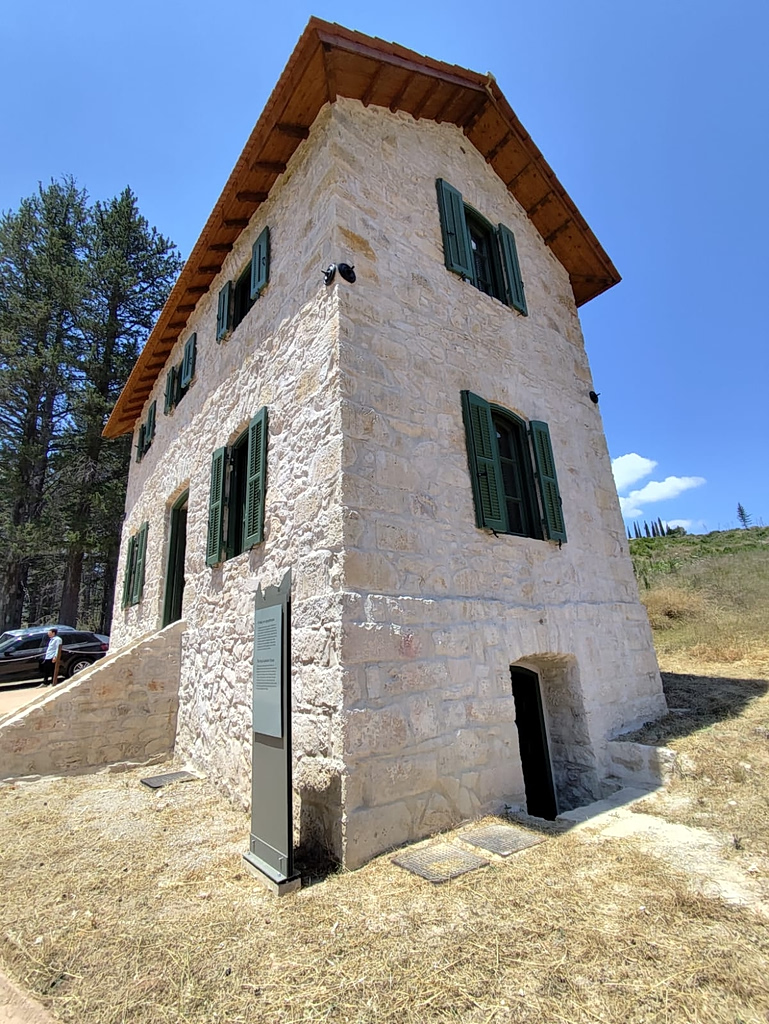
The residence of the head gardener at the Tatoi royal retreat. Culture Ministry handout
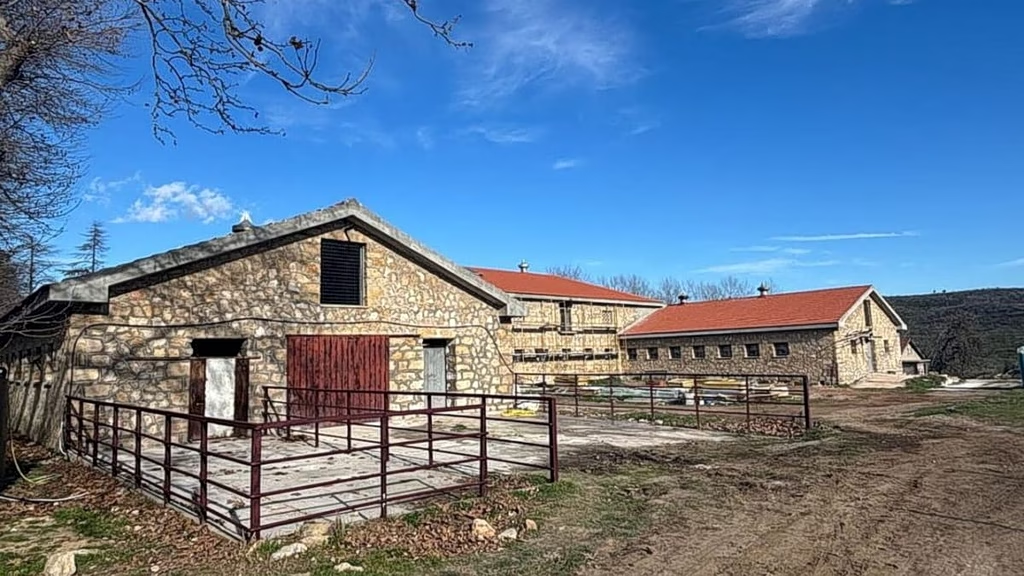
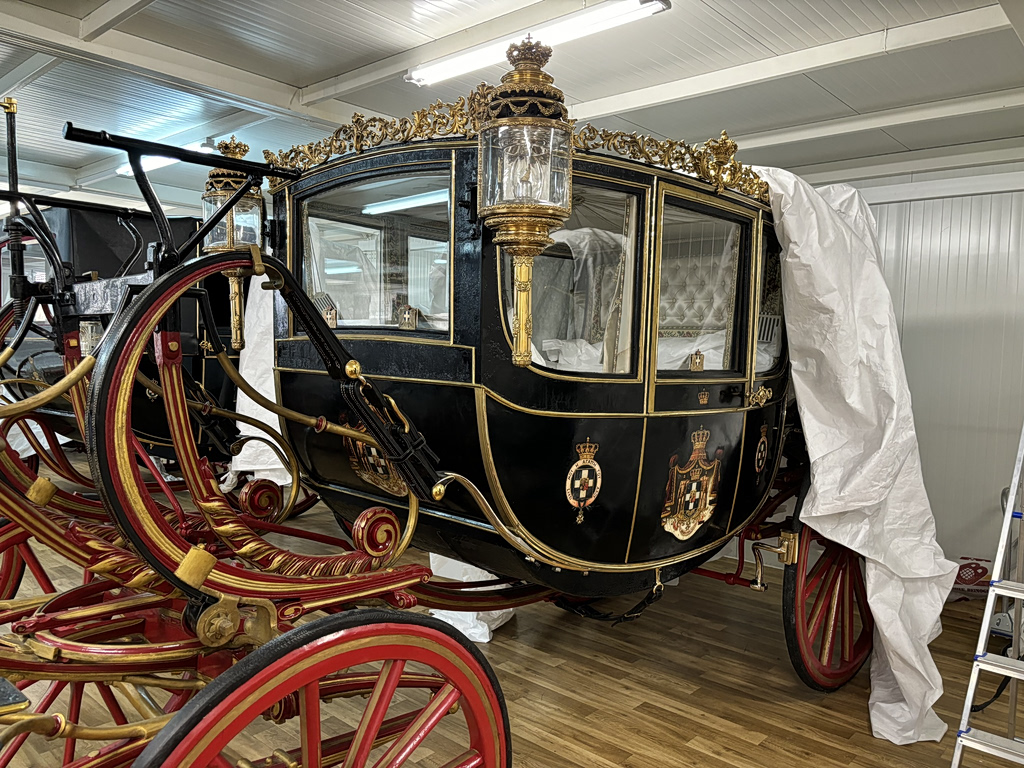
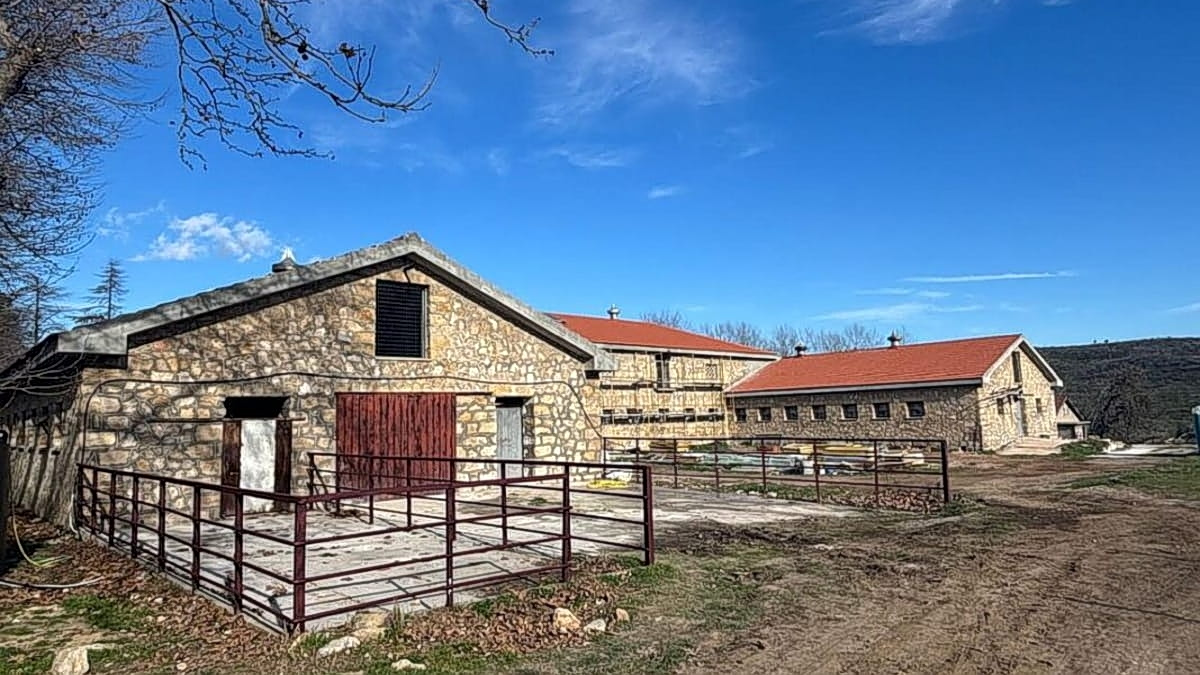
Nearby, the new cowshed, a 1952 building of roughly 1,500 square meters, is being adapted to accommodate two museums. One will focus on the antique vehicles associated with the former royal family. Eight restored automobiles will be displayed, including four Rolls-Royce limousines, two 1952 MG TD Midgets and two Fiat 500s with wicker seats that were used for transport within the estate. Earlier plans for the building also envisaged displays of agricultural equipment and historic machinery.
The second museum will explore an aspect of Tatoi that can easily be overshadowed by its royal associations, namely, its agricultural life. The estate was designed in part as a productive rural enterprise, with livestock, vineyards, olive groves, dairy production and a winery.
Visitors will see equipment associated with the approximately 100 cattle once kept there, including feeding troughs, the milking system and machinery used in the production of the estate’s celebrated butter. Displays will also cover beekeeping, olive-oil and wine production, offering a glimpse of a working agricultural estate rather than simply a royal residence. The building’s upper level is planned for conferences and cultural events.
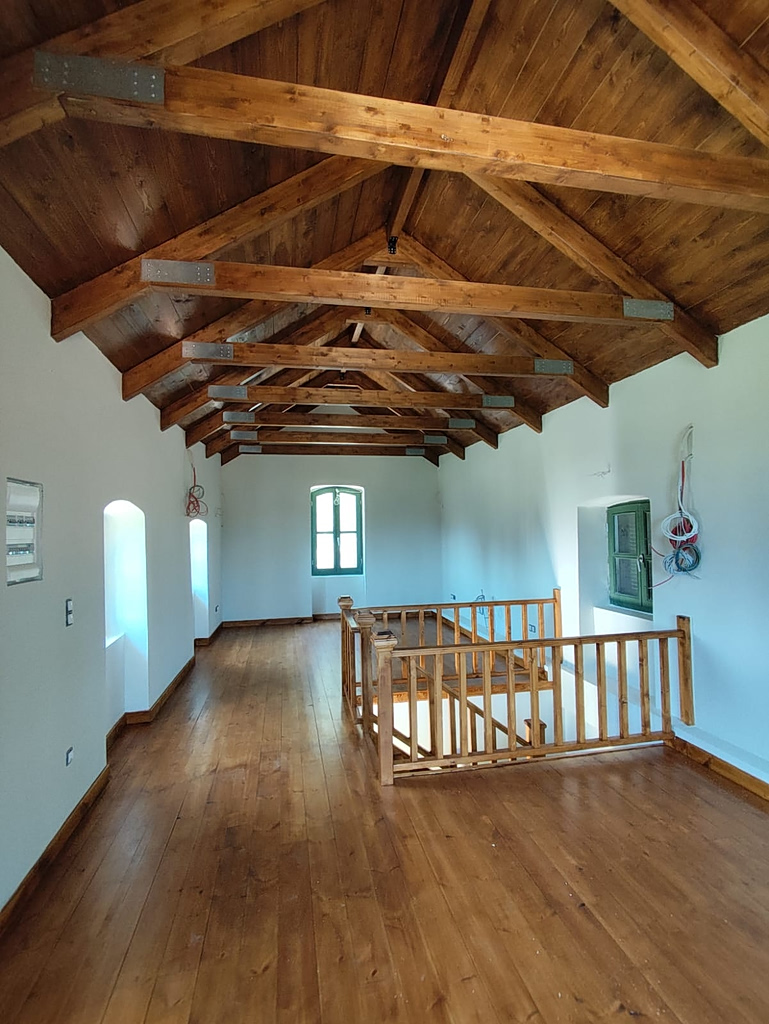
A view of the second floor of the residence of the head gardener at the Tatoi royal retreat. Culture Ministry handout
The restoration extends beyond the three museums. The Royal Mausoleum has been restored, while additional buildings are being adapted for support, visitor and fire-protection functions. The royal cemetery remains part of the historic landscape, and acquired renewed public attention in January when Princess Irene, the sister of former King Constantine and former Queen Sofia of Spain, was buried at Tatoi beside her previously deceased family members.
The transformation is taking place against a complicated history. Tatoi was acquired by King George I in 1872 and developed as a private royal retreat rather than a monumental palace complex. Kings Alexander I and George II were born there, and the estate remained closely associated with the Greek royal family until the monarchy was abolished in 1974.
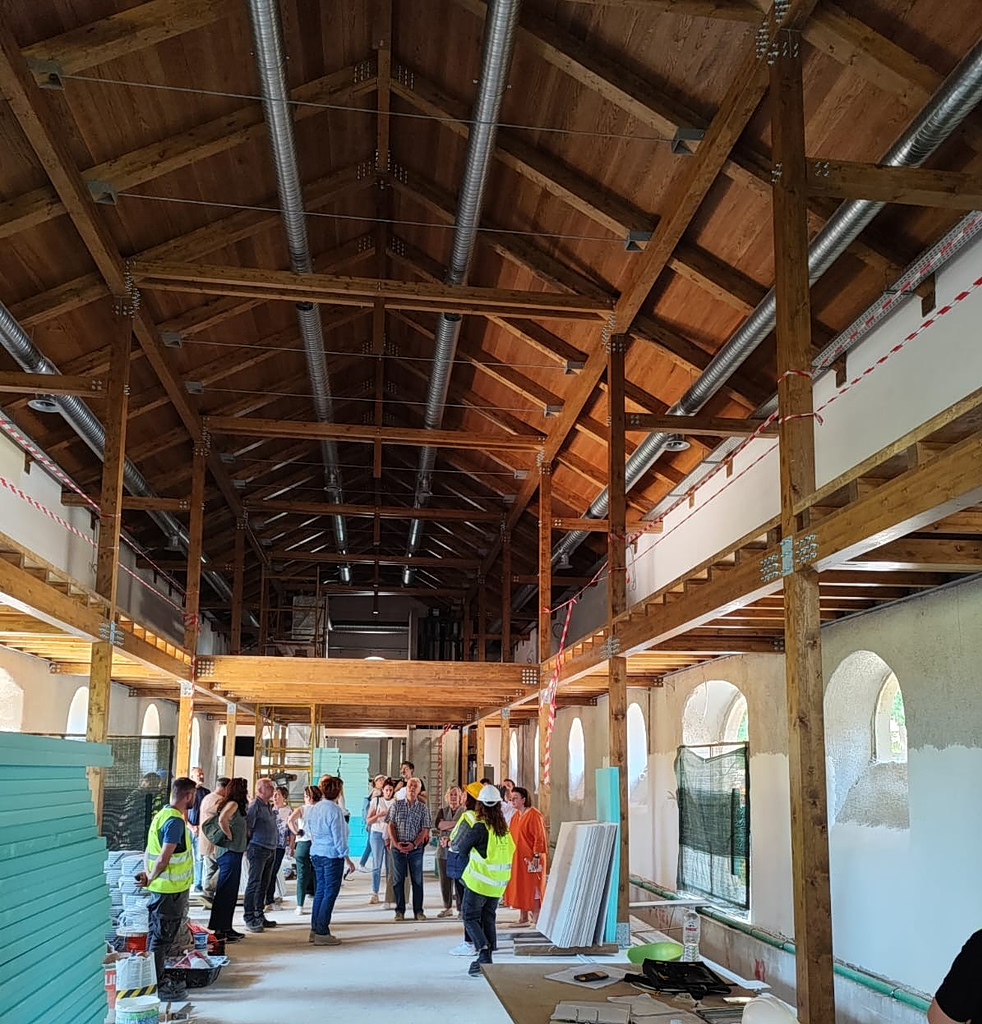
Greek Culture Minister Lina Mendoni inspects the Old Cowshed at the Tatoi Estate / Ministry of Culture
Its modern history has also been marked by neglect, conservation challenges and the devastating 2021 Parnitha wildfire, which caused extensive damage around the estate. Tatoi’s environmental importance adds another dimension: the property forms part of the wider Parnitha landscape and is recognized within the Natura 2000 network.
The ambition now is therefore larger than restoring a former royal residence. Tatoi is being repositioned as an open landscape where architecture, collections, agriculture, environmental heritage and public recreation can coexist — turning a once-private royal retreat into a place intended to tell a much broader story about modern Greece.
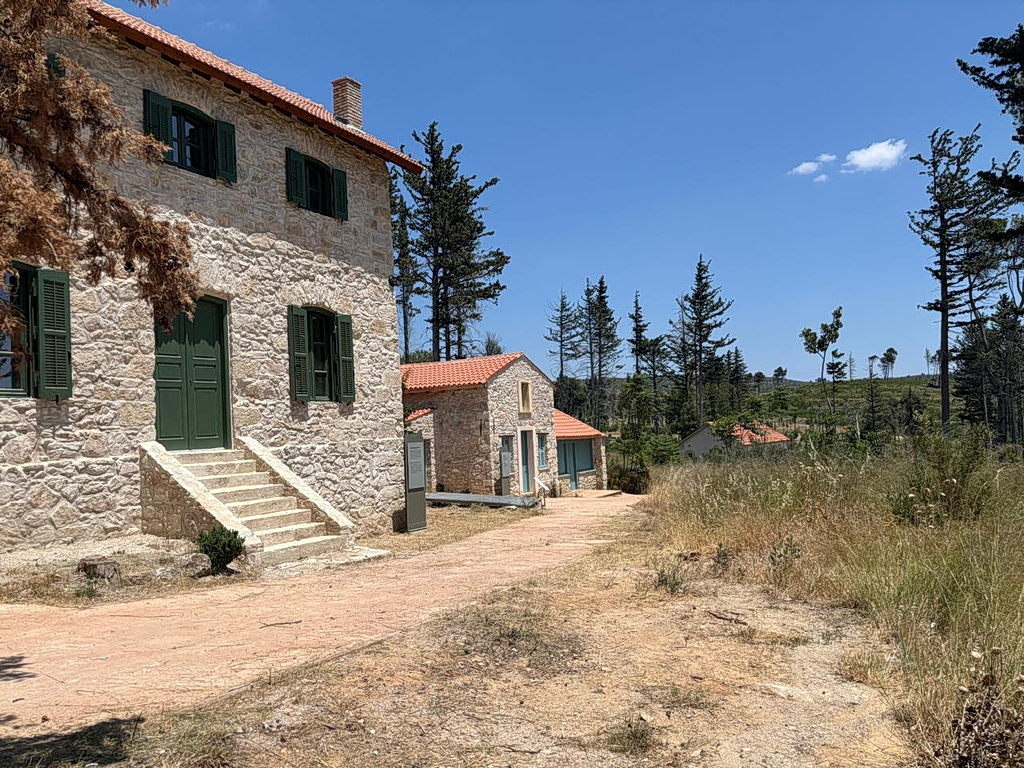
The head gardener’s house and the public information center at the Tatoi Estate / Ministry of Culture