
 Μake us preferred on Google
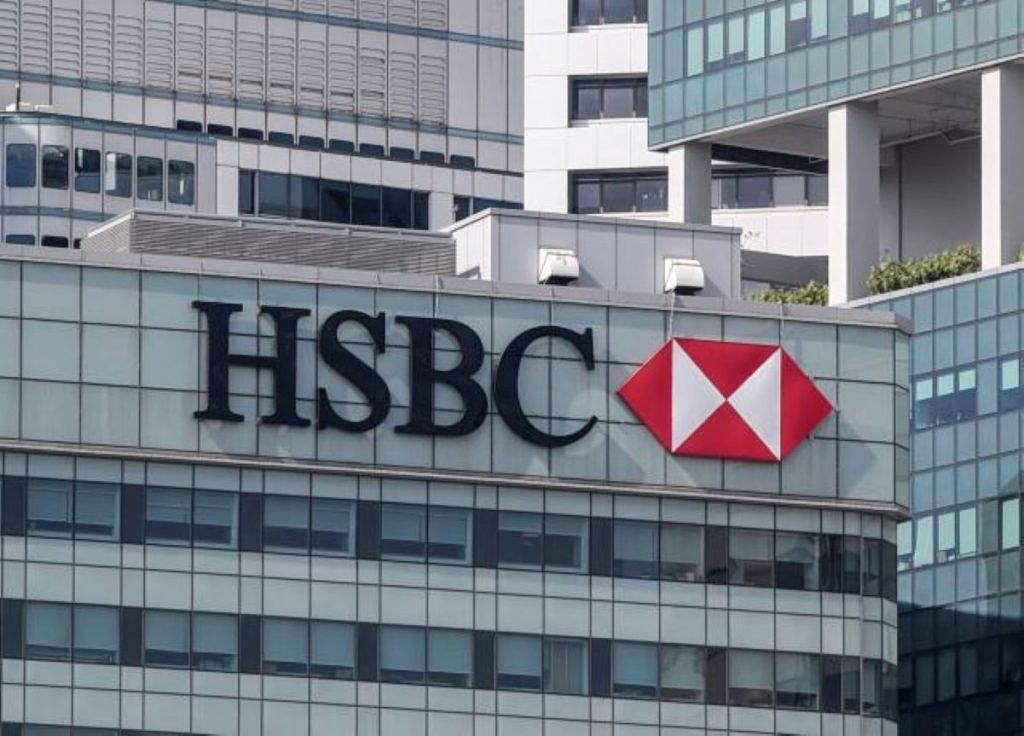
The recent turmoil in global stock markets, especially in shares linked to artificial intelligence, is creating investment opportunities, according to HSBC. The bank believes the drop in valuations has significantly improved the balance between potential return and risk heading into 2027.
Volatility is expected to stay high in the coming months, but HSBC’s analysts do not believe the conditions are in place for markets to enter a prolonged bear market. Instead, they expect three developments to act as catalysts for a recovery during 2027: improving cash flows at the big technology companies, easing inflation, and a Federal Reserve that is less aggressive than markets currently expect.
In terms of investment strategy, HSBC remains overweight on the United States and emerging markets, neutral on Europe and underweight on Japan. By sector, it favors semiconductor makers, large computing infrastructure providers and selected cyclical sectors. In Europe, banks and industrials stand out.
Why HSBC Does Not See a Bear Market
The recent global market correction was the result of several negative factors appearing at the same time. Doubts about whether AI investments can be turned into profits coincided with a tougher stance from the Fed, rising government bond yields worldwide, heightened geopolitical uncertainty and higher energy prices.
According to HSBC, for the current correction to turn into a deeper and prolonged downturn, these pressures would have to intensify further. The analysts, however, expect the opposite to happen during 2027.
The key issue is timing. HSBC finds that positive catalysts are limited in the short term, which means investors should prepare for a few more months of heightened volatility before the investment environment starts to improve in a meaningful way.
The First Big Test for AI
The direction of technology stocks will depend on whether the large computing infrastructure providers, known as hyperscalers, can turn strong demand for AI services into revenue and, above all, free cash flow.
HSBC expects the free cash flow of US hyperscalers to start improving in the first or second quarter of 2027. That could ease doubts about the financial returns on AI investments and strengthen investor confidence that these companies can fund further expansion of their infrastructure.
The analysts note that demand for AI remains strong, as more and more businesses build AI applications into their operations. Related spending is rising, although from a relatively low base.
At the same time, companies have started to record measurable productivity gains from using AI. This could support further margin expansion as adoption of the technology spreads.
Markets Have Already Priced In a Major Downturn
One of HSBC’s strongest arguments in favor of equities is the significant correction that has already taken place in valuations.
The forward price-to-earnings ratio (forward P/E) of the FTSE All-World, the global equity benchmark, has fallen by 25%.
The shift in expectations for the technology sector is even more striking. According to HSBC’s calculations, current valuations of technology companies worldwide now imply almost zero medium-term growth in earnings per share. In mid-2025, the market expected 25% growth.
The market correction has therefore led to a particularly pessimistic valuation of the sector’s prospects, even as demand and profitability at many technology companies continue to grow.
$1.3 Trillion in Spending by the Tech Giants
HSBC continues to favor technology companies with strong balance sheets, with a particular focus on semiconductor makers.
According to its estimates, nearly 78% of the $1.3 trillion in capital expenditure that US hyperscalers are expected to make in 2027 will go to semiconductors, including AI graphics processing units (AI GPUs), and to servers.
Despite this outlook, the valuation multiples of semiconductor companies have fallen significantly, even as their earnings show strong growth.
HSBC is also positive on the hyperscalers themselves. It notes that these companies hold valuable computing power at a time when building additional capacity is becoming increasingly difficult, while growing cloud revenue is expected to support their profitability.
The Fed and the Second Catalyst
The second major catalyst for global stock markets is expected to come from easier financial conditions.
According to HSBC, a peak in government bond yields and a less aggressive Fed could halt the pressure on equity valuations.
The inflation outlook remains complex. However, more favorable base effects from energy prices, starting in March 2027, are expected to help bring down headline inflation.
In addition, markets have already priced in Fed rate hikes of 65 basis points by mid-2027. As a result, the bar for a new negative surprise from the US central bank is now quite high.
17% Growth in US Corporate Earnings
Despite the market turbulence, the corporate earnings picture remains positive for equities.
HSBC believes that healthy nominal revenue growth, combined with wider adoption of AI applications, will allow profit margins to improve further.
The United States is expected to keep leading global corporate earnings growth, with consensus analyst estimates forecasting 17% growth in earnings per share in 2027.
That forecast already includes a negative effect of eight percentage points. The effect comes from the high comparison base created by the exceptional gains that the big technology groups recorded in 2026 from their investments in AI developers.
HSBC’s Regional Positioning
The United States and emerging markets remain HSBC’s preferred choices for 2027.
In the US, the main advantage is faster corporate earnings growth. In emerging markets, record foreign investor outflows and increasingly attractive valuations have significantly improved the balance of return and risk.
HSBC remains neutral on Europe. Corporate earnings there remain resilient, but their growth is expected to lag behind other major markets, and the discount of European stocks against US stocks has narrowed.
This does not mean there are no investment opportunities in Europe. The analysts particularly highlight the financial and industrial sectors, which can benefit from continued economic activity.
By contrast, HSBC keeps its underweight rating on Japan. Despite strong corporate earnings growth, Japanese stocks look relatively expensive compared with other global markets. A less restrictive monetary policy than expected from the Bank of Japan could also put new pressure on the yen.
A Preference for Banks and Cyclical Sectors
At the sector level, HSBC believes that resilient economic growth justifies a higher exposure to cyclical stocks.
It keeps an overweight rating on the financial sector, while preferring industrials and materials companies over consumer sectors.
Especially in the first months of 2027, when volatility may stay high, the analysts give priority to high-quality companies with strong balance sheets.
In essence, HSBC’s investment strategy for 2027 rests on the view that markets have already priced in a significant deterioration in the outlook, a deterioration that corporate earnings have not confirmed so far. A recovery in tech sector cash flows and easing pressure from the bond market could mark the starting point for a reversal of the negative sentiment.