 Μake us preferred on Google
 Nexans has submitted an application to the committee responsible for authorizing maritime research, seeking approval for the surveys, according to information reported by ot.gr. The application is under evaluation, with a decision expected in about 15 days, the report said. Approval would pave the way for the issuance of a NAVTEX, an internationally recognized maritime safety notice announcing the planned survey operations.
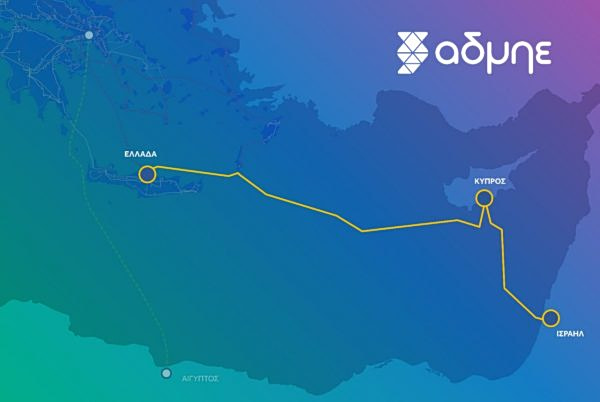
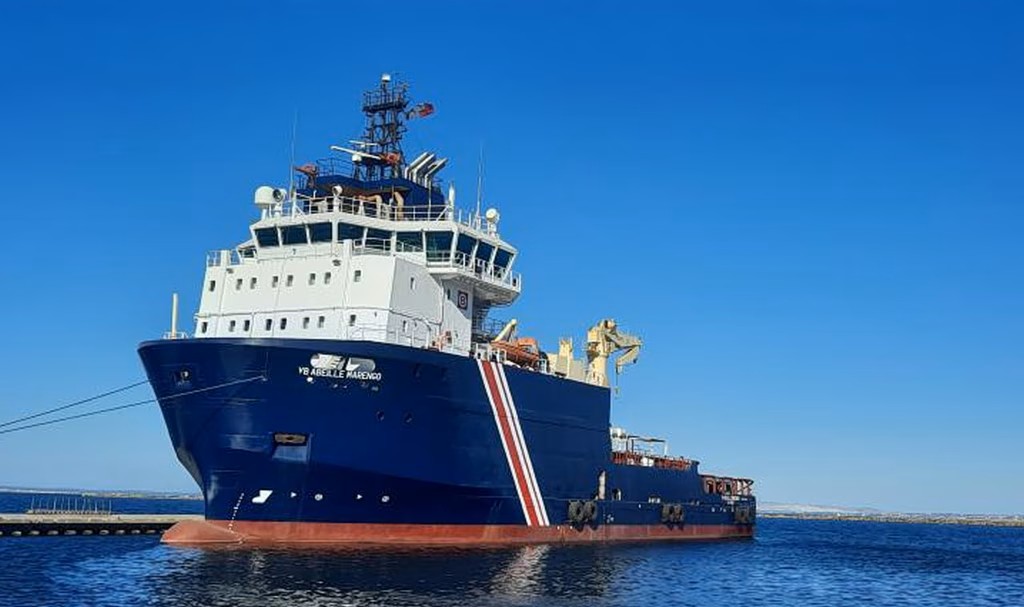
The surveys will be carried out by Next Geosolutions Europe, a specialist in geophysical investigations appointed by Nexans. The French-flagged vessel Abeille Marengo is expected to undertake preliminary oceanographic and bathymetric work along the proposed cable route between the Korakia area of Heraklion, Crete, and Cyprus.
The Greek coast guard has approved the vessel’s use for the surveys through Dec. 31, 2026, according to the report. The work is intended to establish the seabed conditions and identify the optimal route for the high-voltage direct-current cable.
The latest development follows a series of steps intended to revive the project. On Aug. 5, French infrastructure investor Meridiam signed an agreement to become the majority shareholder in the company developing the Greece-Cyprus section, while Greece’s Independent Power Transmission Operator (IPTO) retained its strategic role and technical leadership. The agreement was accompanied by arrangements involving Nexans and the project company for the required seabed surveys.
The project has also secured substantial European backing. The European Union has disbursed a subsidy of 657 million euros, while the European Investment Bank has accepted a financing request for a project with an estimated budget of nearly 2 billion euros. In August, IPTO also submitted an investment request to the energy regulators of Cyprus and Israel for the proposed extension of the interconnector to Israel.
However, the timetable remains dependent on technical, financial and diplomatic developments. Turkey has argued that it should be consulted over activities related to the cable in the eastern Mediterranean, while Athens maintains that Greece is responsible for authorizing the work in areas under its jurisdiction. The issuance of the NAVTEX is therefore a significant next step, although it does not in itself resolve the wider dispute.
Financial issues have also persisted, including a reported outstanding payment of 50 million euros from Cyprus to the project. Meanwhile, the United States has voiced support for electricity interconnections that strengthen regional energy security.
During his recent visit to Athens, US Secretary of State Marco Rubio expressed Washington’s support for such projects. Prime Minister Kyriakos Mitsotakis subsequently said the cable could potentially extend to Israel and stressed that it should proceed without compromising Greece’s sovereign rights.