 Μake us preferred on Google
 Good news from ERT, Greece’s public broadcaster. On the program Efthéos (“Straightforwardly”), Development Minister Takis Theodorikakos revealed that a new holiday package is on the way. “The head of the Independent Authority (i.e., the Market Control Authority) has taken charge of this matter. I have asked her to proceed with extensive cooperation with the market, so that, as the holidays approach, there will be another, even larger package of essential products that we all use during the Christmas and New Year holidays” (October 12, 2026).
Before we all cry out “hooray,” we need to ask a few questions. First: what kind of Independent Authority is this, where the minister “asks” and it does as he says? This, however, is another painful chapter in the government’s story. It insults and defames the genuine, constitutionally established Independent Authorities because they do their job, which is to independently scrutinize the state’s actions, while setting up ministerial services that it labels “Independent Authorities.” From these, it can freely “request” all sorts of goodies.
Given the above, the second question is rhetorical. How can a “Market Supervision Authority” engage in “extensive cooperation with the market”? Those who conduct inspections are generally at odds with those being inspected. Unless they have struck a cozy deal or the businesses being inspected are doing everything right. The latter is probably not the case, since Greek inflation is running at 5.1%, while in the eurozone it stands at 3.8%.
The third question, which concerns all Greeks, is: “We put them in with product codes, we take them out with agreements, so what is it with these poor things that keeps making them more expensive?” For five years now, ever since inflation began to gallop, the government has been launching flashy campaigns to bring market prices down.
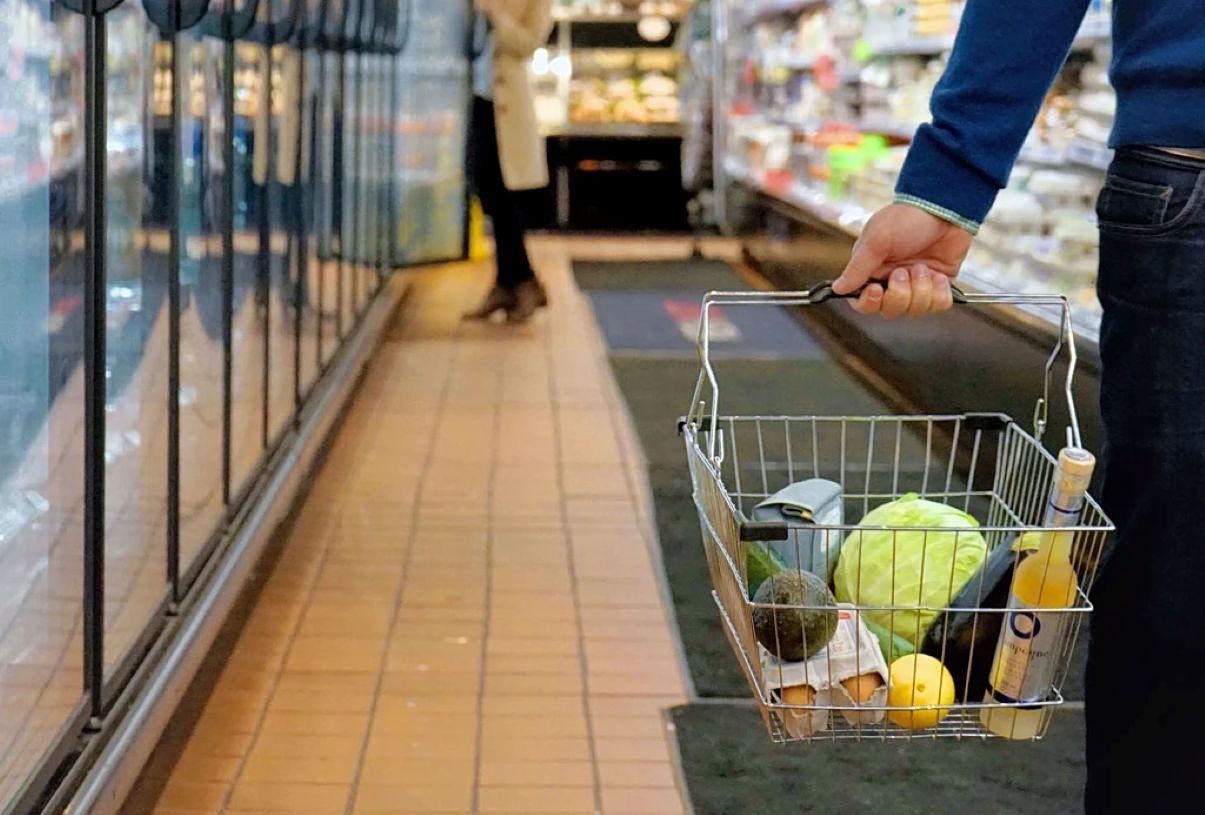
We started in November 2022 with the “baskets” for households, Easter, Santa Claus and the godfather — perhaps even the “big-shot uncle.” Then came the “Permanent Price Reduction” agreement, launched in October 2023 by then-Development Minister Kostas Skrekas. It required suppliers to commit to price reductions of at least 5% for a minimum of six months, with special labels on store shelves. We were all left speechless, like Sancho Panza watching Don Quixote set off on his campaign.
In October 2024, we read that, “following an invitation from the political leadership of the Ministry of Development and Investment, led by Takis Theodorikakos, the implementation of price reductions on essential consumer goods on supermarket shelves began […] Price reductions on these 120 consumer product codes will range from 6% to 15%” (TA NEA, October 20, 2024).
A year later, we read: “More than 2,000 products cheaper starting today. The initiative by supermarkets and suppliers exceeds the initial target, according to the Development Ministry…” (TA NEA, October 15, 2025).
This year, we had the “epic of the summer,” when the minister announced that “there is a shared understanding with the business community that […] prices will remain at the same levels during the two summer months, and prices on all products will be ‘frozen’ for that period” (SKAI, June 30, 2026).
And so we arrived at the “National Price Reduction Initiative,” which “will include 1,660 product codes starting today, with the average price reduction estimated at 7%, while the list of products included is expected to expand further in the coming period” (TA NEA, August 31, 2026).