
 Μake us preferred on Google
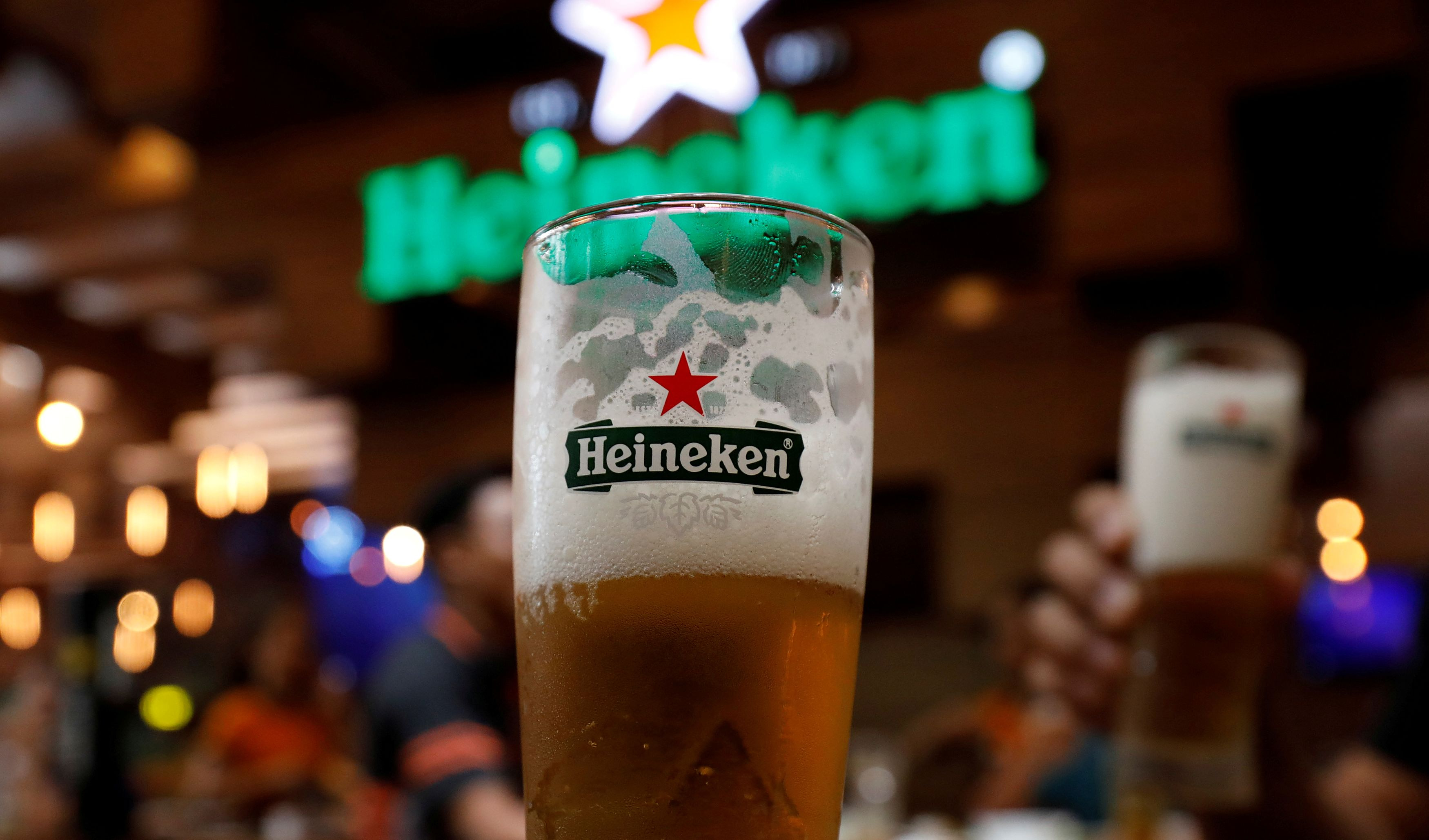
Heineken has been ordered to pay €111 million to Greek brewer Macedonian Thrace Brewery, producer of Vergina beer, following a long-running legal dispute over alleged abuse of a dominant position in Greece’s beer market.
The Amsterdam District Court on Wednesday, October 21, awarded €43 million in damages to Macedonian Thrace Brewery, with an additional €68 million in statutory interest accumulated during the lengthy legal proceedings.
Heineken said it disagrees with significant parts of the ruling and plans to appeal, particularly challenging the methodology used to calculate the alleged damage.
The dispute stems from practices that the Hellenic Competition Commission found had been used by Athenian Brewery, Heineken’s Greek subsidiary, to exclude competitors from the domestic beer market over a period of at least 16 years.
The Greek competition authority’s 2014 decision resulted in a €31.45 million fine against Athenian Brewery, at the time the largest penalty imposed by the independent authority.
Macedonian Thrace Brewery, known for its Vergina brand, took the case to the Dutch courts in 2017, seeking compensation for the financial losses it said it had suffered as a result of the practices.
Amsterdam court finds Heineken liable
The case has centered in part on whether Heineken could be held responsible for the conduct of its Greek subsidiary.
In an interim ruling in October 2024, the Amsterdam District Court found that Heineken and Athenian Brewery constituted a single economic entity and were jointly liable for the damage caused. Heineken owns 98.8% of Athenian Brewery.
The Dutch Supreme Court subsequently rejected an appeal by Heineken and Athenian Brewery on May 29, 2026, concerning the jurisdiction of Dutch courts to hear the case.
The latest ruling determines the compensation owed to Macedonian Thrace Brewery.
Of the €111 million total, €68 million consists of statutory interest. Heineken said interest accounts for 61% of the award because of statutory interest rates and the length of the proceedings.
Heineken challenges damage calculation
Heineken said it respects the court and the legal process but disagrees with significant aspects of the ruling.
The company argues that a compensation claim of this size must be based on documented economic evidence and reflect actual market conditions.
In particular, it disputes the assumptions used to estimate the sales, pricing and profitability that Macedonian Thrace Brewery could hypothetically have achieved had the practices in question not occurred.
According to Heineken, those assumptions do not adequately reflect the available economic data or developments in the market during the period under examination. The company therefore argues that the amount awarded does not reflect the actual economic loss.
Heineken said it will appeal the ruling to have those issues reconsidered.
The company also emphasized that compliance with competition law is a central part of its corporate governance framework, citing policies, control mechanisms and training programs across the markets in which it operates.
Vergina calls ruling a historic decision
Macedonian Thrace Brewery described the judgment as historic and a major milestone in its nine-year legal effort.
The Greek brewer said the Amsterdam court largely adopted the economic model prepared by Oxera, which acted as its economic adviser, while rejecting the arguments put forward by Heineken and its economic adviser, CRA.
The company also said the court took into account the findings of Greece’s Competition Commission regarding the duration, nature and extent of the practices identified in the Greek beer market.
“The Amsterdam District Court’s decision today is a very important step toward restoring this damage and undoubtedly one of the most important milestones in the history of Macedonian Thrace Brewery,” said Dimitris Kris, the company’s director of corporate development.
“This decision is only the beginning. Our fight continues,” he said.
Greek beer market faces new competition probe
The ruling comes as Greece’s beer market is once again under scrutiny from the country’s Competition Commission.
On January 31, 2023, the independent authority carried out a surprise inspection of the beer and alcoholic beverages sector as part of an investigation launched on its own initiative and following a complaint concerning possible abuse of a dominant position.
The new investigation is separate from the Dutch court proceedings and does not establish that new violations have occurred.
According to Macedonian Thrace Brewery, the investigation remains ongoing. If new findings are made against Athenian Brewery, it could potentially lead to additional compensation claims by businesses that may have suffered losses.
Macedonian Thrace Brewery also sees broader significance in the Amsterdam ruling, arguing that it strengthens the ability of companies to seek compensation from the parent companies of multinational groups for competition-law violations established in other European Union member states.
From Komotini to international markets
Macedonian Thrace Brewery was founded in 1996 in Komotini, northeastern Greece, and launched Vergina beer in 1998.
The company now produces beer and malt and operates in both the Greek and international markets.
The latest Amsterdam ruling marks the latest development in a legal battle that began with Greece’s competition authority finding in 2014 that Athenian Brewery had abused its dominant position in the domestic beer market.
Heineken’s planned appeal means the dispute is not yet over.