 Μake us preferred on Google
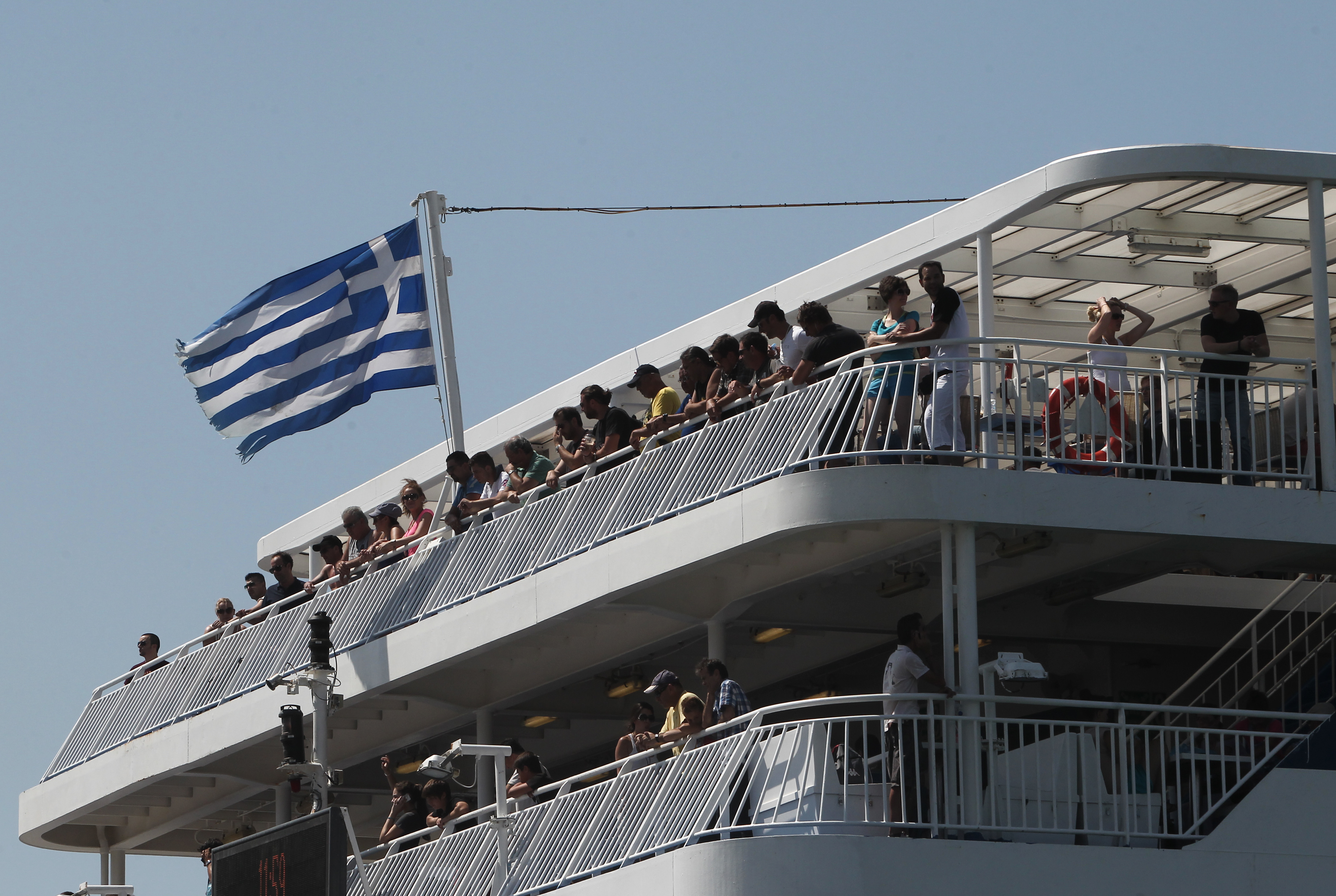
The Greek government is racing to prevent another round of ferry fare increases and ensure uninterrupted connections to the country’s islands throughout the winter, as surging marine fuel prices put mounting pressure on ferry operators.
With the industry’s annual fuel bill soaring above €700 million and the additional burden already exceeding €200 million, the government is considering a state aid plan that could cover as much as 70% of the extra energy costs.
At stake is not only the viability of ferry companies but also the economic and social cohesion of Greece’s islands, which depend on regular and affordable maritime transportation.
According to ferry industry sources, the situation has caused serious concern among operators. Keeping ticket prices stable throughout 2025 and 2026 despite significant increases in operating expenses has sharply reduced profit margins.
Smaller companies are already recording operating losses, even on routes with high commercial traffic.
Government Support Plan
Government discussions are centered on absorbing a substantial share of the increase in fuel costs. One scenario under consideration would see the state cover between 60% and 70% of the additional expense, with ferry operators absorbing the remainder.
Other measures being considered include reductions in port fees and the use of the European Union’s METSAF state aid framework, which, under certain conditions, allows subsidies to offset additional energy costs.
Prime Minister Kyriakos Mitsotakis has already signaled that measures are being prepared. Speaking from Brussels, he stressed the importance of ferry services to Greece’s island communities.
“We have managed to keep ticket prices stable through October. I want to make sure that our island residents are not burdened with fare increases as a result of the higher cost of the diesel used by our ships,” Mitsotakis said.
Discussions are expected to accelerate once Shipping and Island Policy Minister Vassilis Kikilias returns from official visits abroad, with the government seeking to finalize its support model.
Fuel Costs for Ferry Routes Have Doubled
Figures provided by Dionysis Theodoratos, president of the Association of Passenger Shipping Companies (SEEN), illustrate the scale of the additional burden.
Fuel costs for a single Rafina-Mykonos route have risen from about €19,000 in January to €40,000 today. On the Piraeus-Rhodes route, via Patmos, Leros and Kos, the cost has doubled from €100,000 to €200,000.
The pressure is expected to intensify during the winter months, when tourist traffic drops significantly but the transportation needs of permanent island residents and the movement of goods remain unchanged.
For the government, the challenge is to devise an effective and fiscally manageable support framework that protects passengers and ferry operators while safeguarding economic activity across Greece’s islands.