The wonderful world of fermentation. Over the past few years, fermented foods have made a powerful entrance into our lives, promising a host of benefits for our bodies: better gut function, reduced inflammation, stronger bones and an overall boost to health, energy and vitality.
And these products deliver on their promises—they can be a true balm for the body. What’s more, some of them have been sitting in our refrigerators for years, readily available in supermarkets and convenience stores, while we largely ignored them.
Take kefir. This natural, long-overlooked product spent years patiently waiting for its moment, embraced mainly by a small group of people. Some were deeply interested in healthy eating. Others had discovered—or, more importantly, finally realized—that they were lactose intolerant. Still others were dealing with gastrointestinal problems and had followed their doctor’s advice.
And, of course, there were those who simply liked the taste.
That slightly sour, subtly spicy flavor. The gentle fizz. The refreshing quality. The way it can be both soothing to the digestion and satisfying at the same time.
Until recently, though, all of these people remained frustratingly few in number.
Even now, as fermented products like kefir have become a global trend—and an entire industry is gradually being built around them—kefir has yet to claim the place it deserves. A place that its own history almost demands.
Thousands of years ago, shepherds in the Caucasus discovered that when they carried milk in animal-skin containers, it developed a sour taste and a fizzy texture. More importantly, it acquired digestive properties that brought a special kind of interest and pleasure—kayf, as the Arabs call it—to their otherwise monotonous meals.
And so kefir was born.
Later, it was given a divine origin. According to legend, the grains used to make kefir came directly from the Prophet Muhammad, a gift from Allah to humanity—a gift that was to be passed strictly from one generation to the next.
The precious fermentation
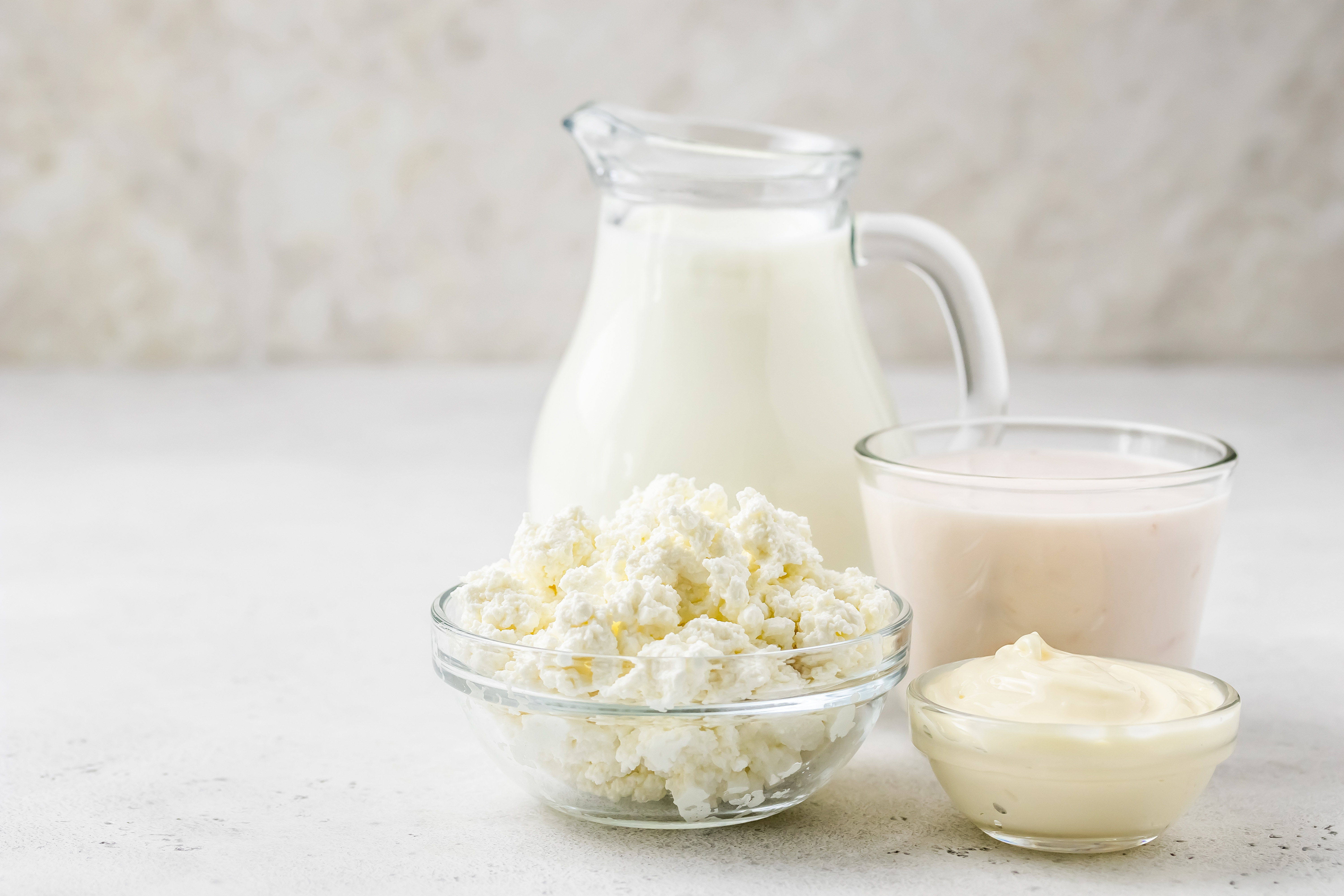
The kefir grains in question are a symbiotic colony of bacteria and yeasts. They are placed in a container with cow’s, sheep’s or goat’s milk. The container is covered and left in a cool, dark place for 24 hours.
By then, the work is done.
The liquid is strained, the kefir is ready, and the grains can be used again. In reality, the yeasts feed on the sugars in the milk, reducing its lactose levels and making the resulting fermented product—kefir—easier to digest for people with mild lactose intolerance.
Even people who have difficulty metabolizing milk and dairy products, then, may be able to enjoy kefir’s beneficial properties. It is exceptionally rich in probiotics—the beneficial microorganisms that support the gut microbiome and improve digestive function—and is a very good source of protein, calcium and B vitamins.
Compared with yogurt, kefir also comes out comfortably ahead, as its gut-friendly bacteria are more diverse and more resilient.
A true drinkable treasure, kefir supports the body’s overall defenses and health through its anti-inflammatory and antimicrobial activity, while also helping protect the bones thanks to its high levels of calcium and vitamin K2.
Vegans have created their own version of kefir, again using yeasts, but this time adding them to a liquid mixture of water, sugar and fruit. The result is equally nutritious but completely free of the dairy products that some people choose—or are unable—to consume.
The rest of us, however, can enjoy kefir for what it is: a gift from nature—or from God, according to the legend.
It is a drink that can improve our health on more than one level, supplying the body with valuable nutrients. And, beyond all that, it can be used in countless ways other than simply pouring it into a glass and drinking it.
In smoothies and cakes, desserts, sauces and puddings, kefir proves that, alongside its established health benefits, it also has a culinary identity of its own.
Ioanna Chalmouki helps us discover that side of kefir through three recipes that are pure indulgence.
Kefir Smoothie With Berries and Banana
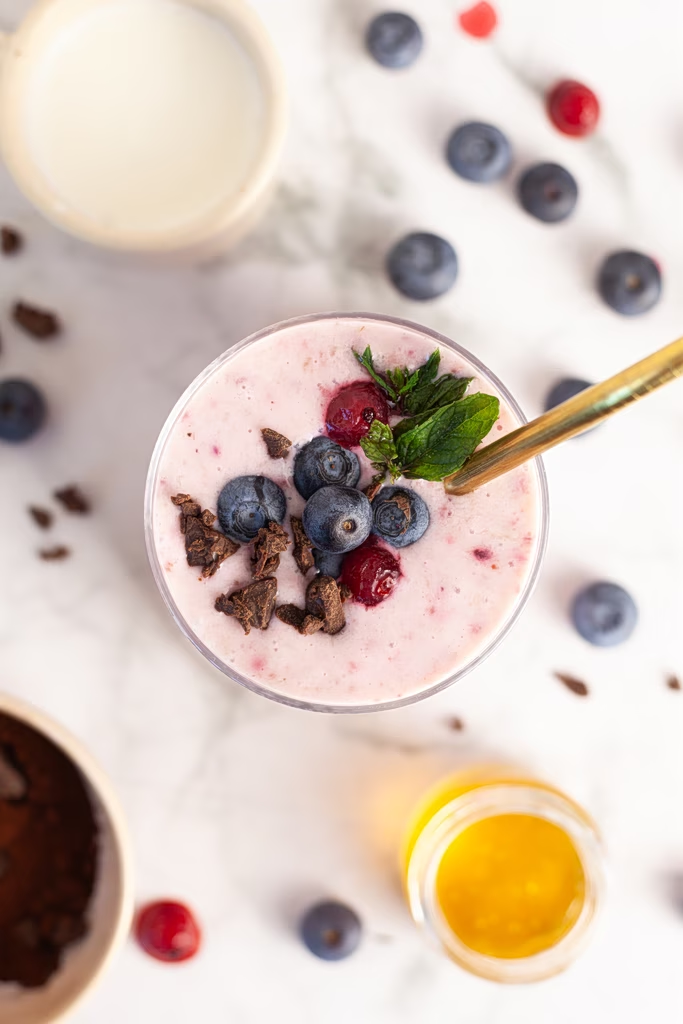
Photo: Ioanna Chalmouki
Preparation time: 5 minutes
Difficulty: *
Ingredients — Serves 2
- 400 ml kefir
- 150 g frozen red berries
- 80 g blueberries, plus a few extra for garnish
- 1 banana, cut into pieces
- 1 tsp honey (optional)
- Ice cubes (optional)
- Dark chocolate shavings, for garnish
Directions
- Place the kefir, frozen berries, blueberries, banana and honey, if using, in a blender. Blend until smooth and creamy. For an extra-refreshing result, add a few ice cubes and blend again.
- Divide the smoothie between two glasses. Garnish with dark chocolate shavings and a few extra blueberries or red berries, and serve immediately.
Kefir Pancakes With Banana and Honey
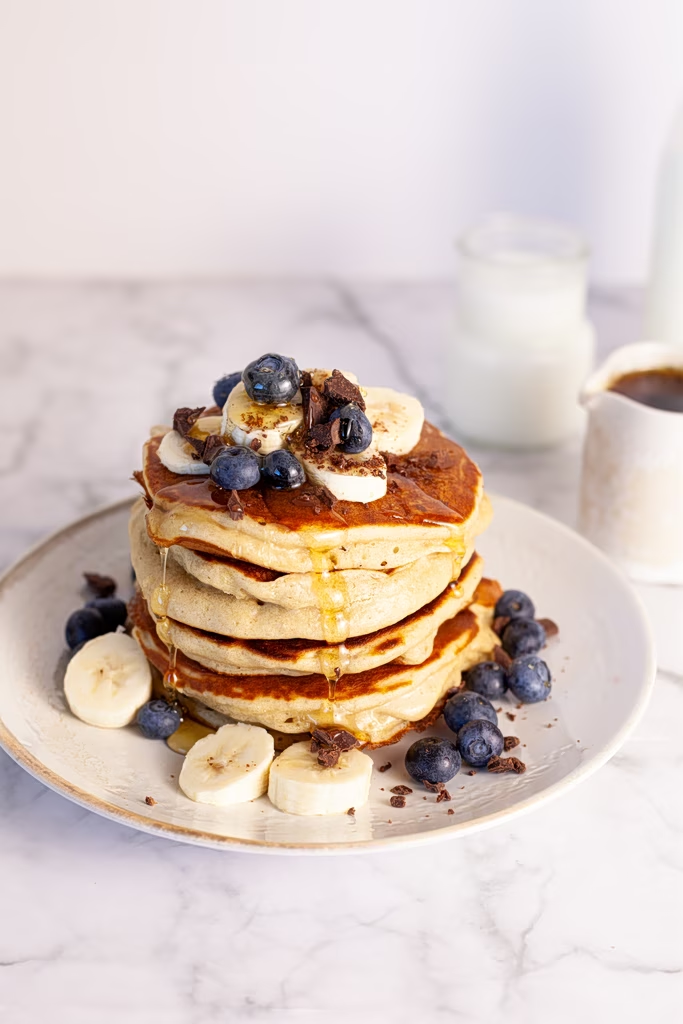
Photo: Ioanna Chalmouki
Preparation time: 5 minutes
Cooking time: 10 minutes
Difficulty: *
Ingredients — Serves 2–3
- 200 ml kefir
- 1 egg
- 180 g all-purpose flour
- 1 tsp baking powder
- 1 tsp sugar
- 1 tsp vanilla extract (optional)
- 1 pinch salt
- 1 tbsp melted butter
- A little oil or butter, for the pan
For serving
- 1 banana, sliced
- Honey
Method
- In a bowl, whisk together the kefir, egg, melted butter and vanilla. In a separate bowl, combine the flour, baking powder, sugar and salt.
- Gradually incorporate the dry ingredients into the kefir mixture, stirring gently until you have a smooth batter.
- Heat a nonstick skillet over medium heat and lightly grease the bottom with butter or oil. Pour small amounts of batter into the center of the pan and cook for 2–3 minutes on each side, until the pancakes puff up and turn golden brown.
- Serve the pancakes warm, topped with banana slices and generously drizzled with honey.
Chocolate Kefir Cake With Chocolate Glaze
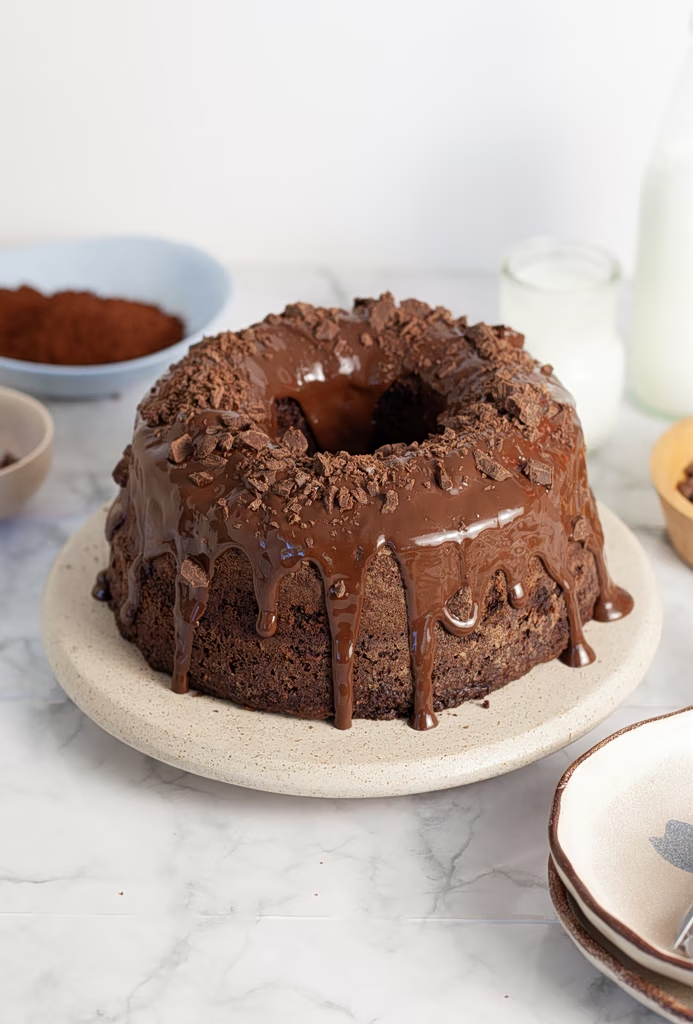
Photo: Ioanna Chalmouki
Preparation time: 15 minutes
Cooking time: 40 minutes
Difficulty: *
Ingredients — Serves 8–10
- 250 ml kefir
- 2 eggs
- 180 g sugar
- 100 ml sunflower oil
- 220 g all-purpose flour
- 50 g cocoa powder
- 1½ tsp baking powder
- 1 tsp vanilla extract
- 1 pinch salt
For the glaze
- 150 g couverture chocolate, plus extra chocolate shavings for garnish
- 80 ml heavy cream
Method
- In a bowl, combine the kefir, eggs, sugar, sunflower oil and vanilla. Add the flour, cocoa powder, baking powder and salt, and mix until you have a smooth, homogeneous batter.
- Pour the batter into a well-buttered 22-cm (about 8½-inch) cake pan. Bake in a preheated oven at 180°C (350°F) for 35–40 minutes, or until a toothpick inserted into the center comes out clean. Allow the cake to cool completely.
- Finely chop the couverture chocolate and place it in a bowl. Heat the heavy cream and pour it over the chocolate. Stir until a smooth, glossy glaze forms.
- Pour the chocolate glaze over the cake and generously sprinkle with chocolate shavings. Allow the topping to set slightly before slicing and serving.