 Μake us preferred on Google
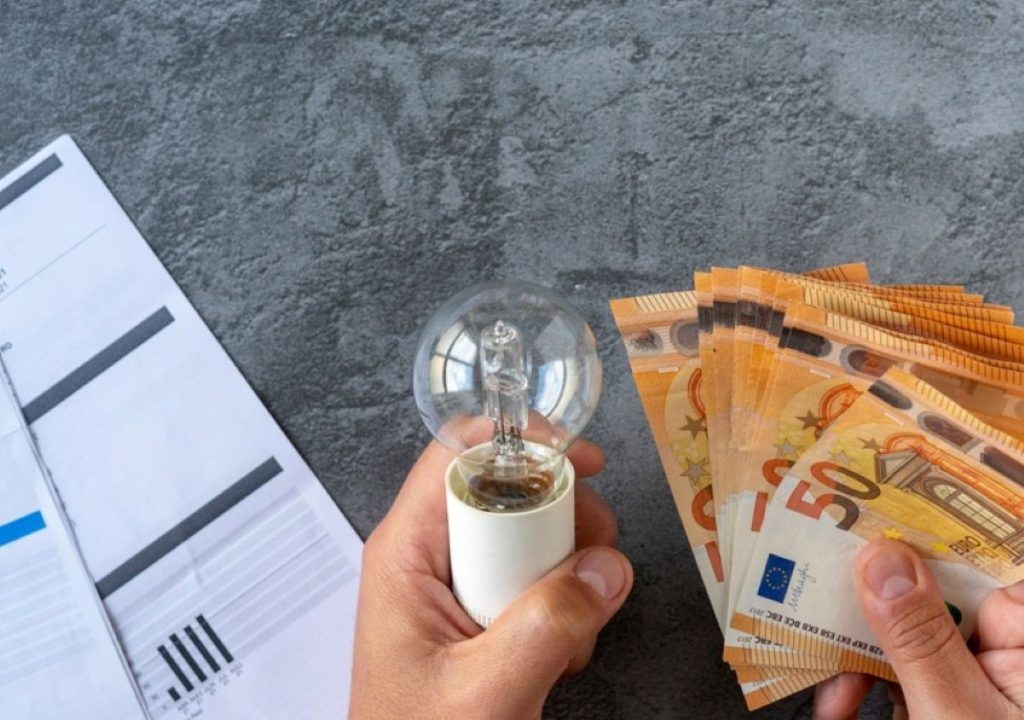
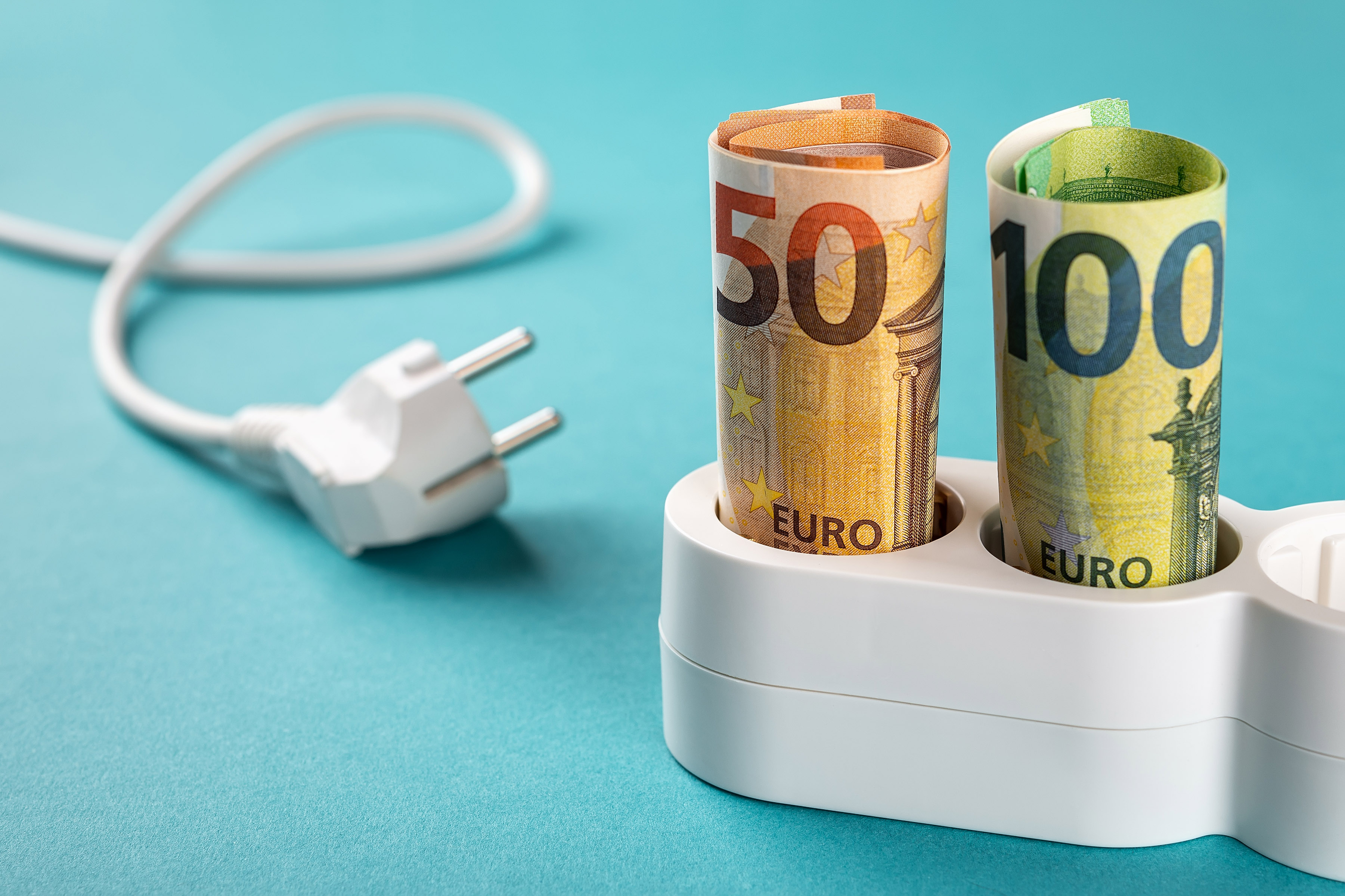
Electricity bills in Greece are set to rise in November, adding to pressure on households and businesses already facing higher gasoline, diesel and heating oil prices. Electricity suppliers began announcing their November rates on Sunday, Nov. 1, with the first increases reaching as much as 43% compared with October.
The increases affect the country’s so-called green tariffs, a category of household electricity contracts whose prices change each month in line with wholesale market conditions.
Wholesale Electricity Prices Return to 2022 Levels
Wholesale electricity prices in Greece rose 26% in October, driving up the rates suppliers are charging households in November. Prices have continued to climb, reaching an average of €312.72 per megawatt-hour on the country’s day-ahead market, a level last seen during the 2022 energy crisis that followed Russia’s invasion of Ukraine and the subsequent cuts to Russian gas supplies.
European natural gas prices have also climbed, trading between €102 and €104 per MWh on the benchmark Dutch TTF market. The surge has renewed pressure for government intervention, but disagreements among EU member states over the scale and form of support have delayed a coordinated European response.
The Greek government is weighing measures to ease the impact of higher electricity bills, but its ability to provide further subsidies is constrained by the cost of existing support for gasoline, diesel and heating oil.
For now, the government plans to monitor wholesale electricity prices throughout November before making a decision on subsidies, which would not be introduced before December. It is also awaiting a possible move by the European Commission to give member states more flexibility over public spending.
November Green Tariffs Rise Sharply
The first household green tariffs announced for November range from €0.26 to €0.36 per kilowatt-hour, with some suppliers raising their prices by 30%, 43%, even 76%.
Suppliers have increasingly been encouraging customers to switch to fixed-rate contracts, which protect them from monthly fluctuations in wholesale electricity prices. Most customers of independent electricity suppliers are already on these plans.
PPC Limits Increases and Revises Fixed-Price Offer
Public Power Corp. (PPC), Greece’s largest electricity supplier, has announced two pricing changes for November, limiting the increase in its green tariff, which is adjusted monthly, while raising the rate on one of its fixed-price contracts.
PPC holds a 71.34% share of Greece’s low-voltage electricity market, with approximately 5.4 million connections, including households and businesses. It is also estimated to have the largest number of residential customers on green tariffs.
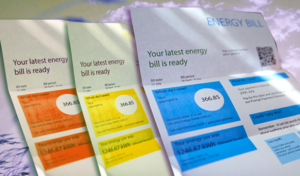
Green tariffs remain the most popular option among Greek households, accounting for 51.79% of residential electricity contracts, or just over 3 million connections, according to August data from the Regulatory Authority for Waste, Energy and Water (RAAEY). Fixed-price blue tariffs accounted for 31.63%, while the remaining 16.58% were on yellow tariffs, another type of variable-rate contract.
For November, PPC has raised the price of its fixed-rate MyHome Online plan to €0.13 per kilowatt-hour, from a promotional rate of €0.115 that had been available since August. Meanwhile, the company has kept the increase in its standard G1/G1N green tariff to 6.2%, setting the November rate at €0.169 per kWh, despite a 26% rise in wholesale electricity prices in October.
PPC has absorbed much of the increase in wholesale costs in recent months, and its decision to continue doing so could encourage competing suppliers to limit their own price increases.
Government sources say PPC’s pricing decisions will give officials more time to determine whether subsidies for variable-rate electricity contracts are needed and when they might be introduced.
Source: OT.gr