 Μake us preferred on Google
 Desalination is often reduced to one simple criticism: it is expensive. That is true. But in countries such as Greece, the more relevant question is whether the alternatives are still reliable, affordable, or even viable under climate stress.
Modern seawater reverse osmosis (SWRO) desalination typically produces water at roughly €0.5–3 per cubic meter depending on scale, energy prices, financing, and location. Large systems such as those in Israel operate at the lower end of that range, while smaller island systems are more expensive. Energy remains the main operating cost, with modern plants consuming roughly 2.5–4 kWh per cubic metre of water produced. Desalination also requires substantial infrastructure investment, including intake systems, membranes, pumps, pipelines, and outfalls.
Environmental concerns are also legitimate. Desalination produces concentrated brine waste containing elevated salinity and residual treatment chemicals. If poorly discharged in enclosed or shallow coastal environments, brine can create local ecological stress, particularly for sensitive Mediterranean ecosystems such as Posidonia oceanica seagrass meadows. However, modern plants increasingly use deep-water outfalls, diffusers, controlled discharge systems, and environmental monitoring to minimise impacts. Poorly designed desalination can absolutely create environmental problems. Properly engineered systems are far more manageable than critics often imply.
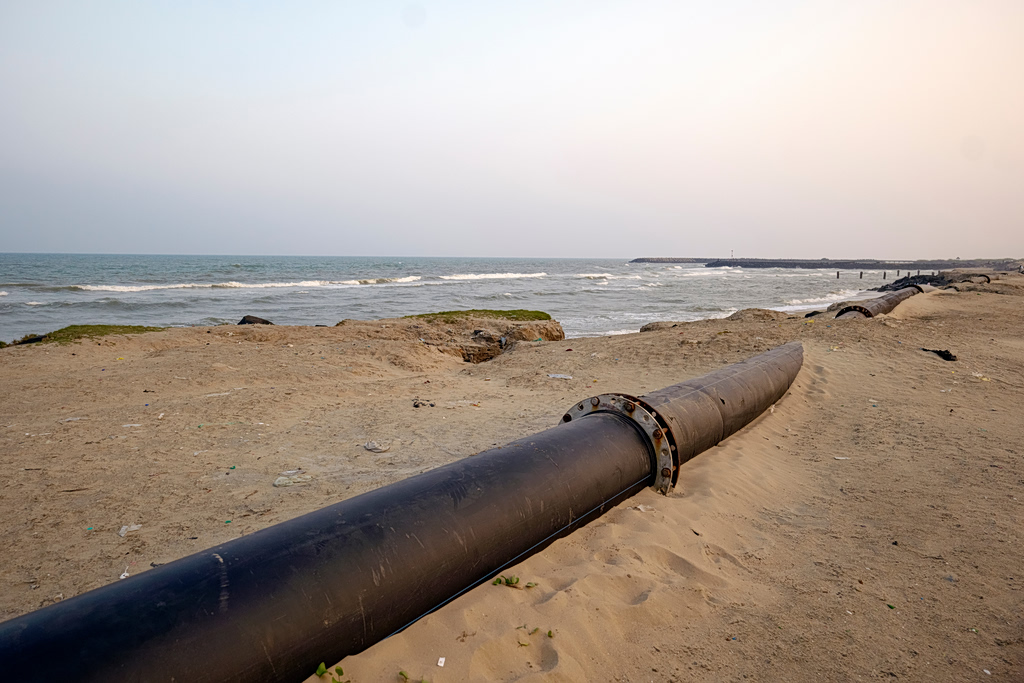
An image of a water pipeline from the sea to a plant.
Despite these disadvantages, desalination also offers one enormous advantage: reliability. Unlike reservoirs, rivers, rainfall, or aquifers, seawater availability does not collapse during droughts. In a region where climate patterns are becoming increasingly unstable, that matters. Countries such as Israel, Malta, Cyprus, and Saudi Arabia have already integrated desalination into national water strategies because conventional freshwater systems alone could no longer guarantee supply. Israel now reportedly obtains around 75–80% of its domestic drinking water from desalination, while Malta sources nearly two-thirds of its potable supply from the sea.
The Greek case makes this debate particularly important. Greece is increasingly facing structural water stress rather than temporary drought cycles. Rainfall patterns are becoming more erratic, evaporation rates are rising, and more than 35% of distributed water is reportedly lost through leakage and ageing infrastructure. Agriculture consumes roughly 80% of national water demand, often through inefficient irrigation systems. Meanwhile, many aquifers are already severely overdrawn and increasingly saline.
The traditional alternatives are also becoming less dependable. Large dams are frequently presented as “natural” solutions, yet their economics become questionable when hydrology itself becomes unstable. Crete’s Aposelemi Dam reportedly absorbed more than €220–230 million in investment, only for repeated drought years to leave reservoir levels critically depleted. Greece is simultaneously planning hundreds of millions of euros in additional dam projects despite increasing uncertainty around future rainfall reliability.
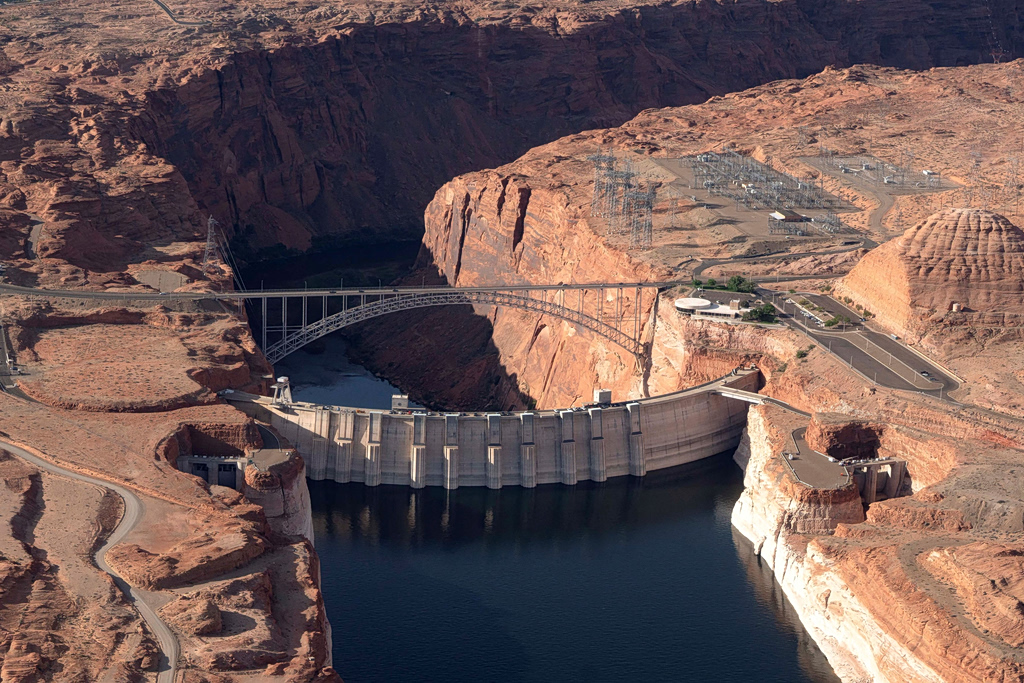
FILE PHOTO: An aerial view shows Glen Canyon Dam, U.S., May 15, 2025. REUTERS/Rebecca Noble/File Photo
Wastewater reuse is another important alternative and should absolutely expand. In many cases it can be cheaper than desalination. However, reuse also depends on infrastructure, hydrogeology, regulation, proximity between wastewater generation and demand, and public acceptance. It is not universally deployable, particularly on islands and heavily stressed coastal systems. Groundwater extraction may appear cheap in the short term, but over-pumping accelerates saline intrusion and long-term aquifer collapse. Water transfers between regions are expensive, politically contentious, and environmentally disruptive.
For many Greek islands, desalination has already shifted from “expensive last resort” to economic necessity. Historically, Greece spent more than €73 million subsidising transported water to islands between 2002 and 2010, while tanker-delivered water often exceeded €6–10/m³. Under those conditions, local desalination became the cheaper and more resilient solution.
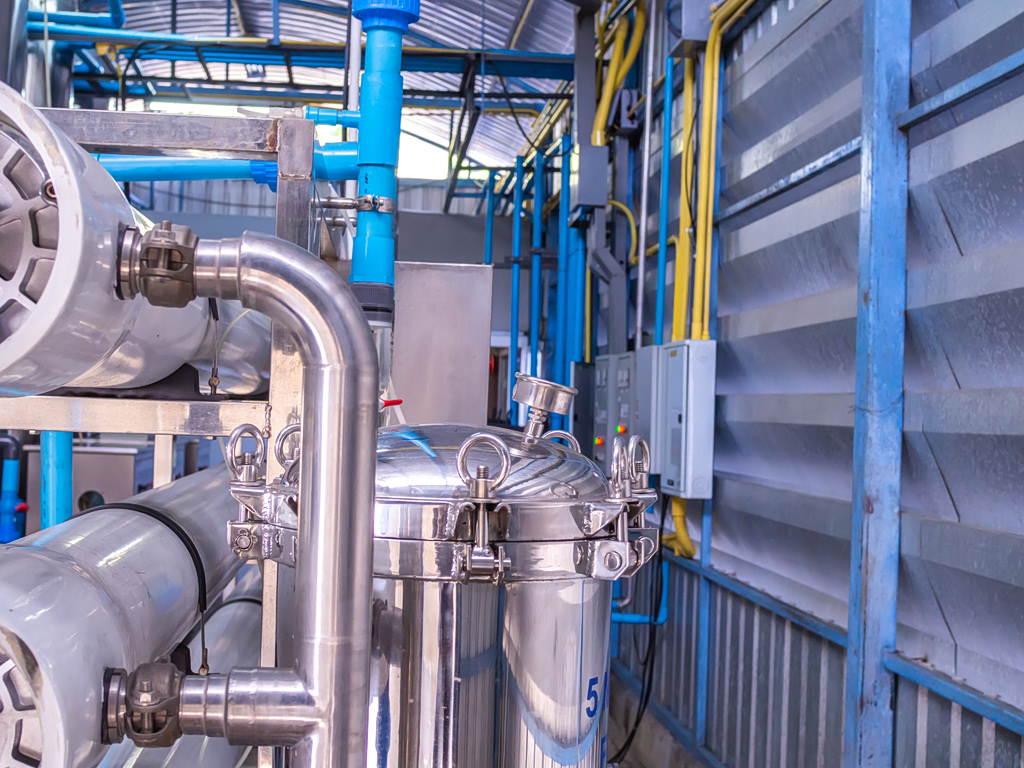
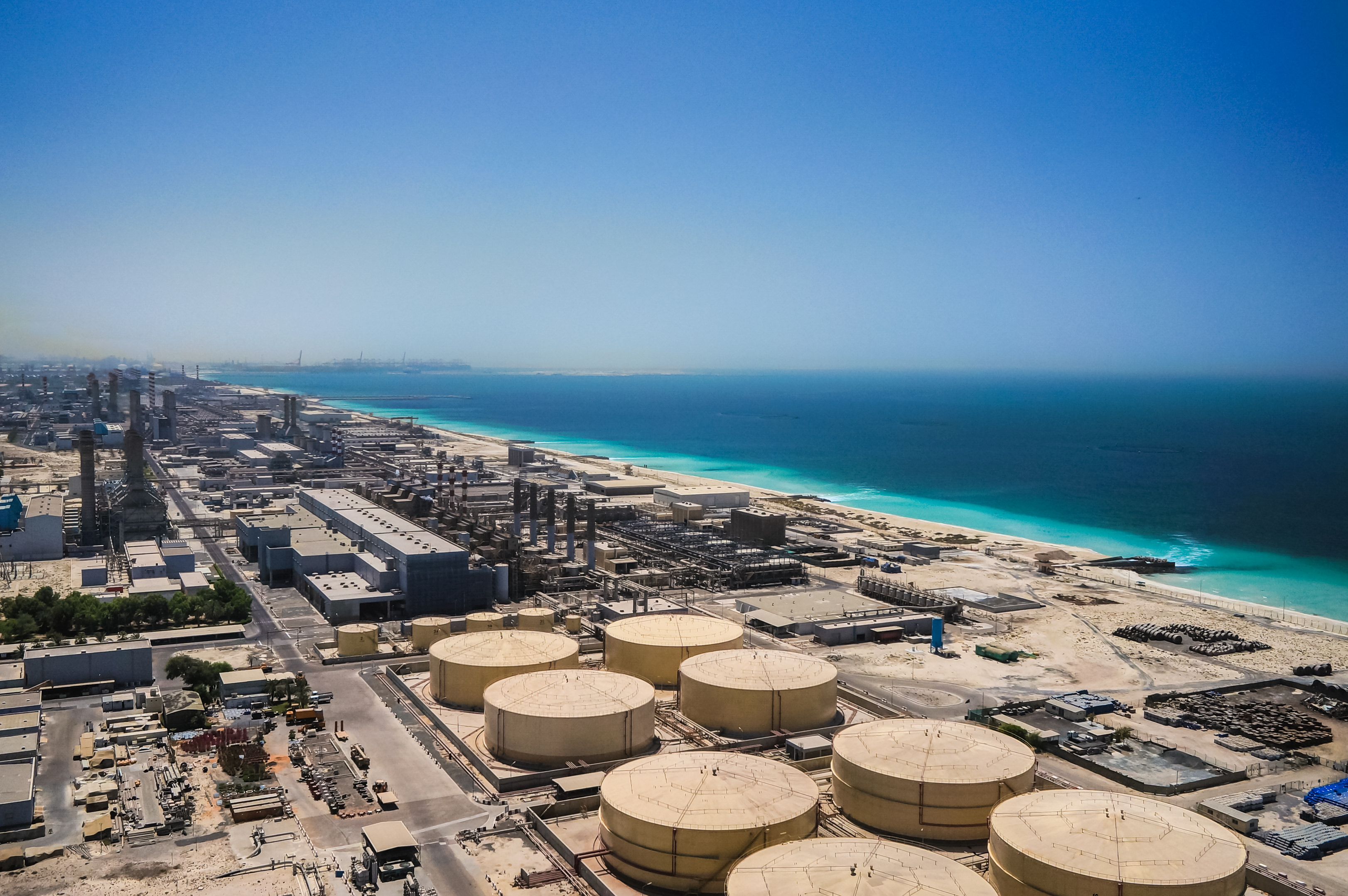
Water purification process depicted at a desalination plant.
None of this means desalination is a silver bullet. Greece still urgently needs leakage reduction, smarter irrigation, wastewater reuse, groundwater protection, and stronger water governance. But desalination is increasingly becoming part of the strategic solution because it offers something many conventional systems no longer reliably can: predictable supply under climate stress.
The real question is therefore no longer whether desalination is expensive. The real question is how expensive water insecurity itself is becoming.