 Μake us preferred on Google
Those in power can grow accustomed even to anger. They can wait for the crowds to thin, for people to tire, for the need to carry on with their lives to prove stronger than the demand to change them. In Serbia, however, the student movement made it all the way to the ballot box and secured an electoral victory. And it brings with it a question that concerns far more than the voters of a single country: what happens when those who demanded accountability are now called upon to take responsibility for governing?
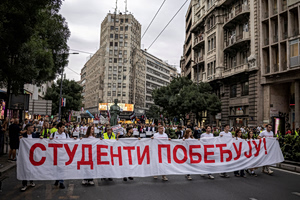
In the snap parliamentary election of 25 October 2026, the student-backed Student List defeated Aleksandar Vučić’s political camp, and he acknowledged his defeat. According to Reuters, the official count had not yet been finalised when he conceded. The movement that emerged after the collapse of the canopy at Novi Sad railway station in November 2024 found electoral expression. Its list comprises 250 candidates from different professional backgrounds. The initiative is student-led, but its appeal reaches across society. Electoral victory now opens the way to the harder test: turning citizens’ trust into action.
At the beginning of this story are sixteen lives lost. People who went to a station and never came home. The tragedy prompted demands for an investigation into responsibility and possible corruption surrounding the project. It is for the justice system to assess the specific acts and omissions. But society has the right to demand answers without being treated as an enemy for insisting on them.
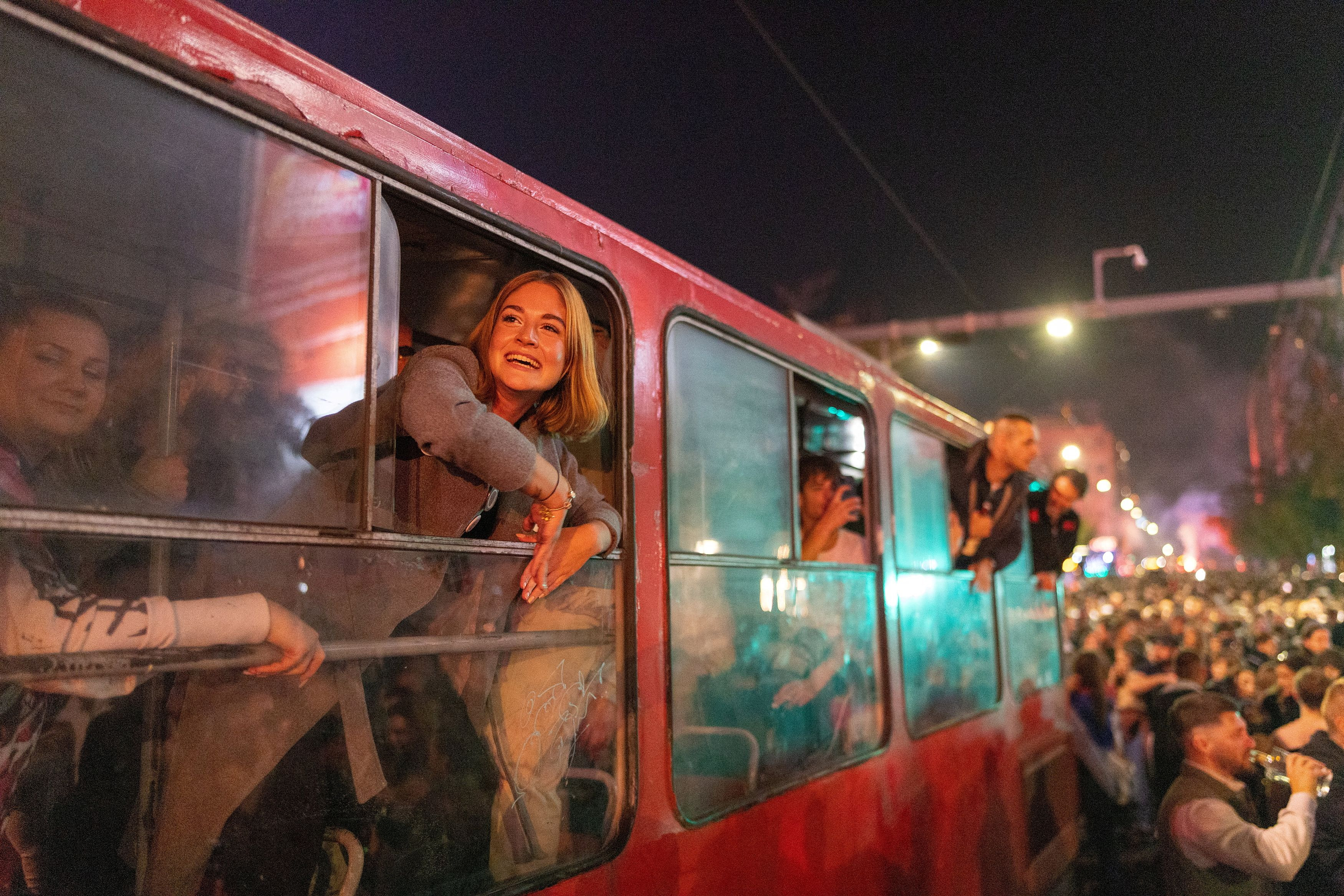
Supporters of the electoral list “Student List – Students Win” celebrate after Aleksandar Vucic, Serbian Progressive Party (SNS) prime ministerial candidate, conceded defeat in the parliamentary election in Belgrade, Serbia, October 26, 2026. REUTERS/Uros Arsic TPX IMAGES OF THE DAY
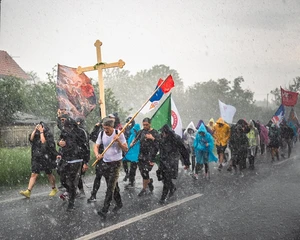
The most significant feature of this journey is its endurance. Anger alone does not secure political change. It takes people who return, talk, organise and take on the work when the cameras have gone. Attending a demonstration can be the beginning. Continuing means listening even to someone who would never join you in the square. It means turning a just demand into a relationship of trust with people of different ages, experiences and political backgrounds.
Here I recognise a possibility worth protecting: a constellation of resistances can find a common direction without everyone within it having to become alike. Solidarity does not end with applauding young people while they protest. It is tested when we accept that they can influence who makes decisions and on what terms. We cannot keep asking them to take an interest in public life and, the moment they do, tell them that their place is only in the audience.
This does not mean that youth is a certificate of political competence or moral superiority. Those who resisted can make mistakes, disagree and fail. And an electoral alliance united against a powerful opponent must now prove that it can also find common ground after the contest. The economy, public services and difficult international choices will not wait for all its internal differences to be resolved. Demanding concrete answers shows respect for those who seek to govern; it does not undermine them.
There is, however, a profound imbalance in demanding perfection from a new political endeavour while treating the failures of those already in power as an inevitable fact of life. Experience in government does not absolve abuses of power. Nor does inexperience disqualify anyone in advance from seeking it. A democracy must be able to assess an alternative without idealising it and without accepting that the current ruler is irreplaceable.
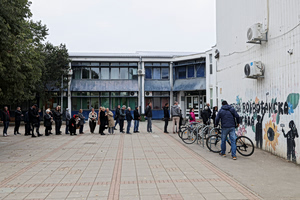
Victory, however, does not close the discussion about the terms of the contest itself. Reuters has reported allegations of intimidation, violence and digital surveillance ahead of the election, which the authorities dispute. The outcome at the ballot box neither makes an independent investigation unnecessary nor automatically turns every allegation into an established fact. An election does not release the state from its obligation to protect those who challenge it. The freedom to vote begins before polling day.
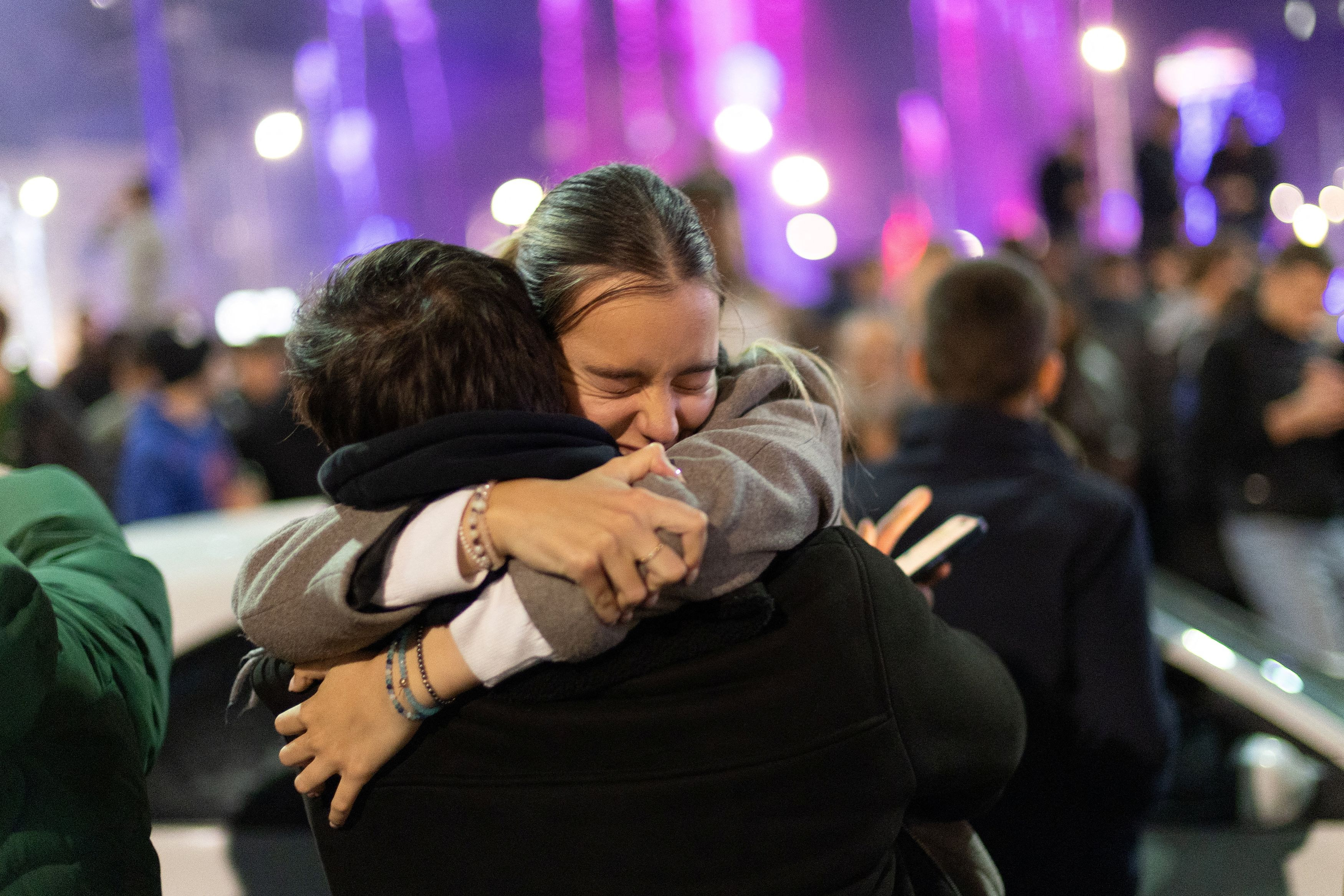
Supporters of the electoral list “Student List – Students Win” celebrate after Aleksandar Vucic, Serbian Progressive Party (SNS) prime ministerial candidate, conceded defeat in the parliamentary election in Belgrade, Serbia, October 26, 2026. REUTERS/Uros Arsic
Following the Student List’s victory, its first meaningful promise must also extend to those who did not vote for it. They must be able to criticise it, investigate its decisions and remove it from power. Justice must not become an instrument of revenge, nor should public media simply change political owners. A change of government gains democratic substance when it limits the scope for arbitrary power by future governments as well. Otherwise, the faces change while citizens remain at the mercy of those who govern them.
Civic participation, however, does not end with an electoral victory. The trust and organisational experience built through collective action must continue to sustain scrutiny and new demands, even towards those whom citizens themselves brought to power. Society need not fall silent every time the polls close. Nor should it fall silent because, this time, those it supported have won.
For us in Greece, the Serbian election is not a ready-made model to copy. Political conditions and historical paths differ. But the question of whether a society can create political representation where it feels existing representatives are not listening concerns us too. And for the European Union, consistency towards a candidate country must be measured by its defence of democratic rules, not by its preference for a convenient interlocutor. Stability in the Balkans requires citizens who trust their institutions, not citizens who fear challenging them.
Serbian voters have given this endeavour the opportunity to prove itself. We can recognise its courage and the significance of its victory without surrendering our judgement to it. We can hope for change while insisting that no one is beyond scrutiny. That would be the most meaningful achievement of resistance: to leave behind citizens who do not need saviours and institutions that do not need permission from the powerful to function. For what would it mean to change who governs if citizens remain afraid to hold them to account?