 Μake us preferred on Google
 The global water crisis, the energy transition, and the growing scramble for critical minerals are usually discussed as separate problems. In reality, they are becoming deeply interconnected, and solving them independently may no longer be economically or strategically viable.
The numbers already illustrate the scale of the challenge. According to the United Nations, 2.2 billion people still lack safely managed drinking water, while nearly 4 billion experience severe water scarcity for at least one month every year. Meanwhile, global electricity demand is entering a new phase of structural growth. The International Energy Agency projects that electricity consumption will rise from roughly 28,200 TWh in 2025 to 33,600 TWh by 2030, adding around 5,400 TWh of new demand within just five years.

An internally displaced Somali woman feeds her malnourished child at the Daynile hospital as shortages of lifesaving therapeutic foods caused by shipping disruptions due to the Iran war have forced clinics treating severely malnourished children to turn away patients and ration supplies in drought-hit Somalia, in Daynile district of Mogadishu, Somalia April 20, 2026. REUTERS/Feisal Omar
Artificial intelligence and digital infrastructure are becoming major contributors to that surge. The IEA estimates that global data center electricity demand could nearly double from approximately 485 TWh today to around 950 TWh by 2030, roughly equivalent to Japan’s entire annual electricity consumption. At the same time, hydrogen demand is accelerating as industries attempt to decarbonize refining, fertilizers, chemicals, steelmaking, and shipping. Global hydrogen demand already approaches 100 million tonnes annually, yet less than 1% is currently produced through low-emission pathways.
These pressures are converging simultaneously, and the traditional approach of building separate infrastructure systems for water, energy, fuels, and industrial chemicals increasingly looks inefficient. The real question is no longer whether humanity needs more water, energy, and industrial feedstocks. The question is whether future infrastructure can deliver all three together.
One possible answer lies in integrating nuclear energy, desalination, brine valorization, and hydrogen production into unified industrial ecosystems. Traditionally, desalination plants, power stations, hydrogen facilities, and chemical production sites have been developed as separate assets, each requiring its own infrastructure, logistics, and energy systems. That fragmentation creates duplicated costs and missed industrial synergies. Nuclear energy changes the equation because it can simultaneously provide continuous electricity and high-temperature thermal energy at industrial scale.
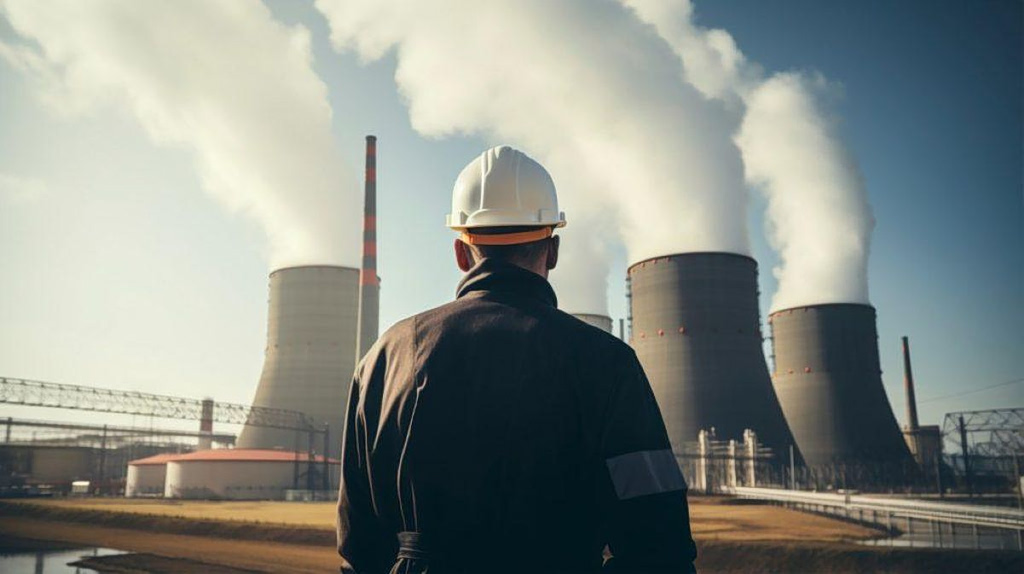
EU nuclear power rebounds in 2024, with France leading production and nuclear accounting for nearly a quarter of the bloc’s electricity output.
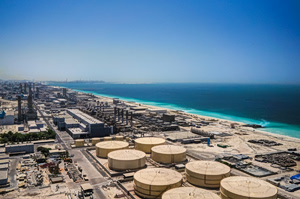
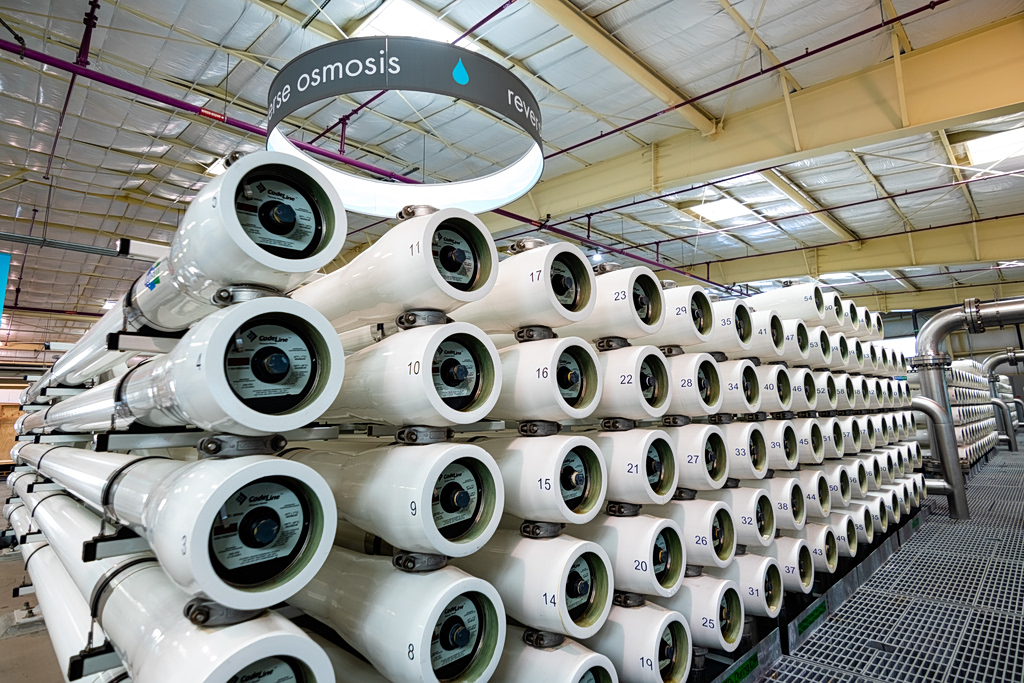
In practical terms, a nuclear-powered hub could produce freshwater through desalination, generate hydrogen through electrolysis, and recover commercially valuable materials from desalination brines. That last point matters because desalination brine is increasingly being reconsidered not simply as a waste stream, but as a strategic industrial resource. Globally, desalination plants already produce more than 140 million cubic meters of brine every day, containing magnesium, bromine, sodium chloride, lithium traces, and other compounds with industrial value.
This shift could fundamentally alter desalination economics. Historically, desalination projects were evaluated almost entirely on the cost of producing freshwater. However, integrated infrastructure creates the possibility of multi-output economics, where water becomes only one revenue stream within a broader industrial platform that may also generate hydrogen, industrial chemicals, minerals, and thermal energy utilization.
Nuclear energy is particularly suited to this type of integration because unlike intermittent renewable systems, it delivers stable baseload power twenty-four hours per day. Modern nuclear plants frequently achieve capacity factors above 90%, while also producing the high-temperature heat required for thermal desalination technologies and other industrial processes requiring continuous operation. Small Modular Reactors could further expand these possibilities by allowing integrated water-energy-resource hubs to be developed in regions where conventional gigawatt-scale nuclear plants are financially or geographically impractical.
The geopolitical implications are substantial. Regions such as the Middle East and North Africa already combine severe water stress with industrial growth ambitions and strong sovereign investment capacity. The U.S. Southwest faces mounting pressure from climate stress, semiconductor manufacturing, population growth, and AI-driven electricity demand. Governments are already mobilizing capital through hydrogen strategies, SMR development programs, industrial decarbonization policies, and green infrastructure funding mechanisms.
None of this removes the legitimate concerns surrounding nuclear energy. Capital costs remain extremely high, permitting timelines are slow, and public acceptance varies dramatically between countries. Likewise, not every brine stream will prove economically viable for mineral recovery. But the broader strategic logic is becoming increasingly difficult to ignore.
Water security now directly affects energy systems. Energy systems increasingly determine industrial competitiveness. Industrial competitiveness increasingly shapes geopolitical stability. Treating these challenges independently may become financially unsustainable in a world facing simultaneous climate, industrial, and resource pressures.
The future may not belong to standalone plants anymore. It may belong to integrated industrial ecosystems where water, energy, hydrogen, chemicals, and resource recovery are designed together as part of the same infrastructure platform.