The Eurogroup will meet Thursday, October 8, in Luxembourg with the impact of energy markets on the eurozone economy, the effectiveness of public finances and progress toward deeper capital-market integration at the center of its agenda.
The meeting will bring together three issues with significant implications for European economies: energy costs, the use of public resources and the financing of investment.
According to the draft agenda published by the Council of the European Union, proceedings will begin at 3 p.m. Luxembourg time with preparations for international meetings and developments in foreign exchange rates. At 3:45 p.m., ministers will meet in an expanded format to discuss investment, public finances and energy.
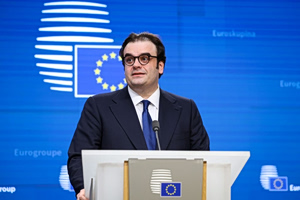
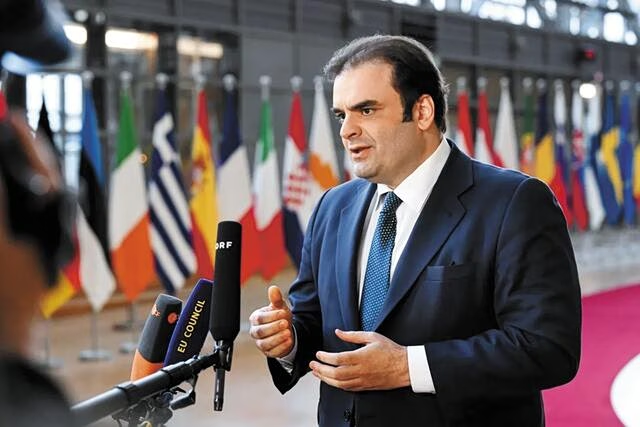
The meeting, chaired by Greek Finance Minister Kyriakos Pierrakakis, is expected by many analysts to formally open discussions on greater fiscal flexibility and new measures to address the effects of the energy crisis.
The discussions will continue Friday, Octobere 9, at the ECOFIN meeting of EU finance ministers, laying the groundwork for decisions that European leaders are expected to consider at the European Council summit on October 15-16.
Energy markets and the eurozone economy
The impact of energy markets on the eurozone economy will be a separate focus of Thursday’s meeting.
Changes in energy prices directly affect business operating costs, household spending and consumers’ purchasing power. At the same time, government measures aimed at limiting the impact of higher energy costs can create additional demands on national budgets.
The discussion therefore links energy policy with the challenge of supporting economic activity without undermining the sustainability of public finances.
However, the published draft agenda does not announce any specific decision on subsidies or a common European support package.
According to the article, the issue has taken on additional importance following letters from Greek Prime Minister Kyriakos Mitsotakis and Italian Prime Minister Giorgia Meloni to European Commission President Ursula von der Leyen.
How effectively public money is being used
Finance ministers will also examine the challenges and opportunities surrounding the effectiveness and efficiency of public finances.
The discussion will focus on the results generated by public resources, including whether government spending and interventions are achieving their intended goals and how their use can be improved.
For Greece, the issue is linked to the need to finance investments and public services that support economic growth and address social needs while maintaining fiscal stability.
Savings and investment financing
In its expanded format, the Eurogroup will also conduct its annual assessment of progress toward the Capital Markets Union, as part of the Savings and Investments Union.
The discussion centers on connecting available savings with the financing needs of businesses.
For Greece, expanding the range of available sources of capital could create more opportunities for financing investment and business expansion.
Thursday’s meeting will therefore provide an indication of the direction of the broader European discussion on how to address energy pressures, improve the use of public resources and mobilize private capital.