
 Μake us preferred on Google
A nationwide strike is scheduled for Wednesday, November 25, with demonstrations and work stoppages planned across Greece involving students, teachers, public- and private-sector employees and workers from several industries.
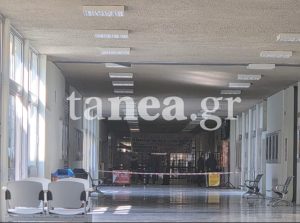
The mobilization is centered on concerns about conditions in schools, alongside demands for higher wages, the restoration of lost income, collective bargaining agreements and improved working conditions. More than 60 cities are expected to host demonstrations.
The Supreme Administration of Greek Civil Servants’ Trade Unions (ADEDY), which represents public-sector employees, has called a 24-hour strike, urging workers to oppose what it describes as policies that undermine paid labor, weaken fundamental rights and impair the functioning of public services.
ADEDY said the strike was an important part of the collective effort to secure decent wages, better working conditions and stronger public services. Its main demands include compensation for wage losses, the reinstatement of the 13th- and 14th-month salaries for civil servants, and decent living and working conditions for all public employees.
Thirteen federations and 28 labor centers are also participating in the mobilization. Students are expected to join the demonstrations in support of workers’ demands.
Metro and public transportation schedules
Athens metro services and the ISAP electric railway are expected to operate from 9 a.m. to 6 p.m. on November 25.
The Athens Metro Operations Employees’ Union (SELMA) has announced work stoppages from the beginning of the shift until 9 a.m., and again from 6 p.m. until the end of scheduled train services.
The metro’s Lines 1 and 2, as well as the green ISAP line, are therefore expected to run during the 9 a.m.-to-6 p.m. window.
Announcements are still pending from the unions representing bus, trolleybus and tram workers regarding their participation in the strike.
Ferry services expected to be suspended
Ferry services scheduled for Wednesday are expected to be suspended, following strike announcements by the seafarers’ unions.
The unions’ participation means that vessels serving Greece’s domestic ferry routes are expected to remain in port for the day.