 Μake us preferred on Google
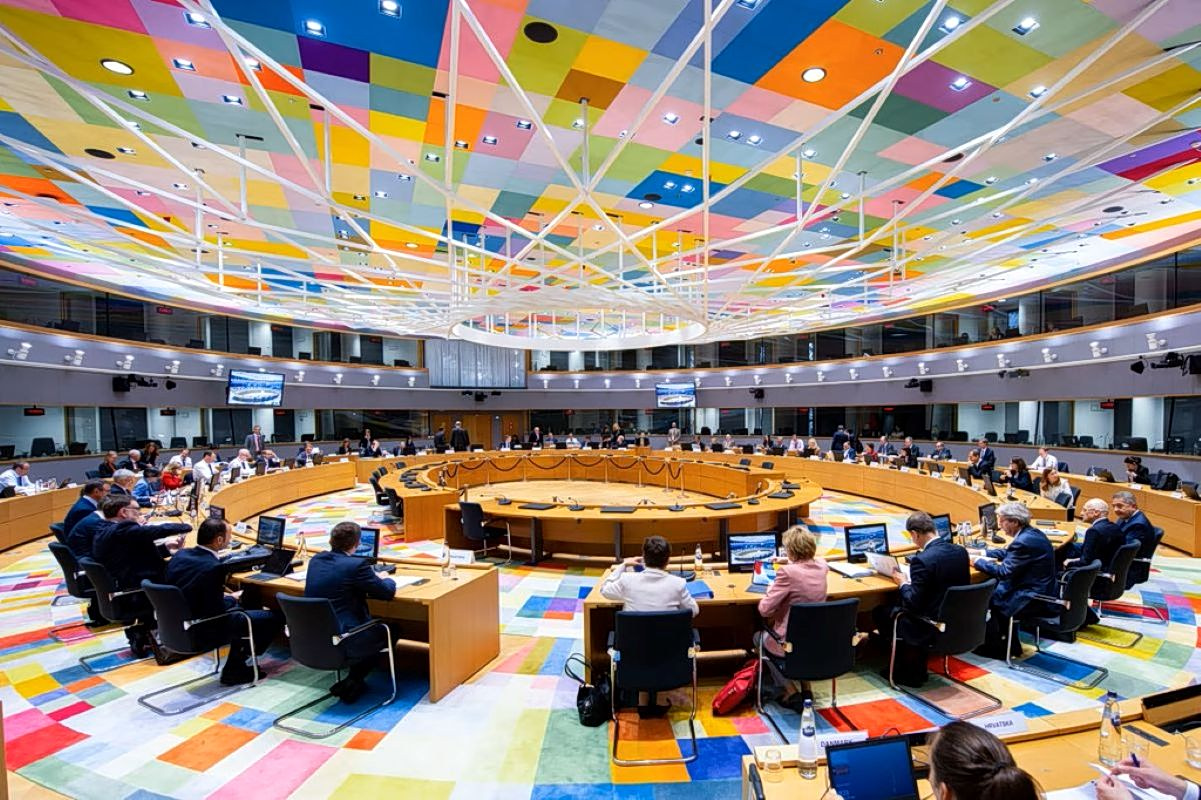
 The Eurogroup meeting is set to gauge the scale of the current energy turbulence and map out how much room member states have to intervene, at a moment when renewed inflation is threatening to squeeze markets and erode consumers’ purchasing power.
Greece arrives at the talks having already laid the groundwork for additional support measures, though the final shape of those measures will depend on how long oil and natural gas prices remain elevated on international markets. According to the country’s economic team, fiscal reserves of between 130 million euros and 150 million euros are available to help cushion the impact. Those funds, public broadcaster ERT reports, would come on top of the 800 million euros already committed so far to curbing the cost-of-living crisis.
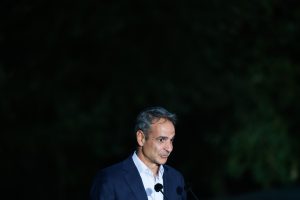
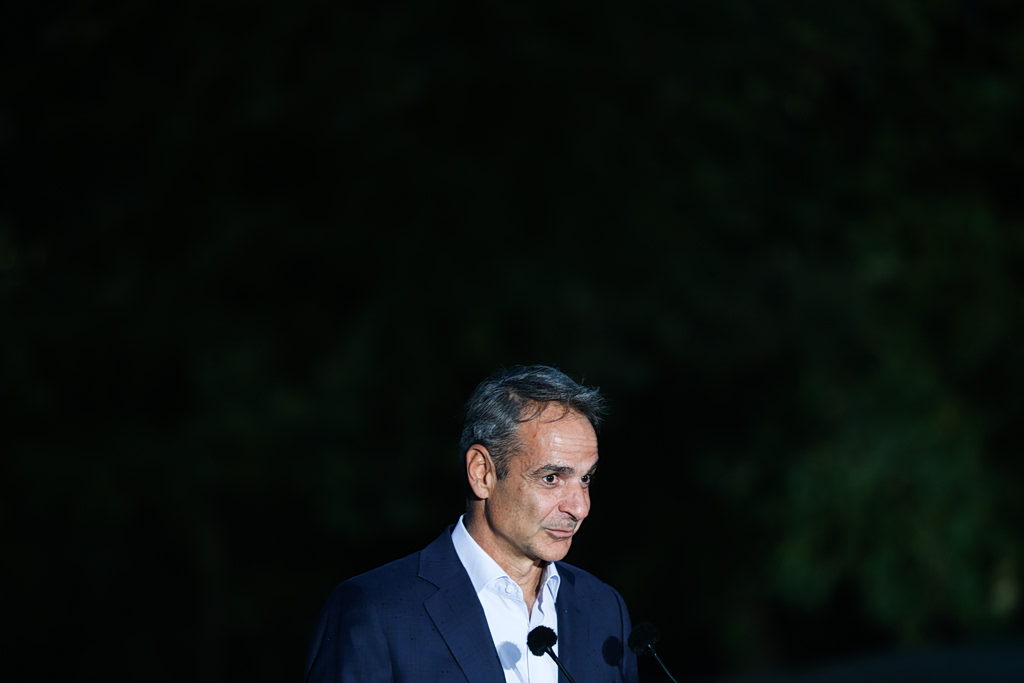
The broader strategy was outlined at a wide-ranging meeting chaired by Prime Minister Kyriakos Mitsotakis at the Maximos Mansion, where every possible scenario was placed on the table.
At the center of the planning is the preservation—or possible expansion—of the ten-cent-per-liter diesel subsidy, while a renewed Fuel Pass is being seriously considered should price pressures persist.
Attention is also focused on interventions in electricity bills to soften the blow of rising wholesale prices, alongside adjustments to the heating allowance. The goal is to raise the baseline payments, which currently range from 100 to 800 euros and reach as high as 1,200 euros in mountainous areas, so that they more effectively cover households’ growing needs.
Meanwhile, attention is also turning to proposals taking shape at the European level, with Germany opening the debate on tax relief.
German Economy Minister Katherina Reiche has come out in favor of temporarily cutting VAT on fuel from 19% to 7%, arguing that such a measure would have an immediate effect at the pump.