 Μake us preferred on Google
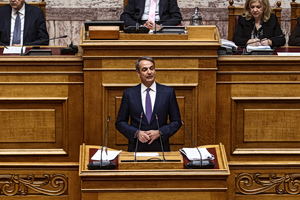
 Greece’s government is trying to turn a page on a bruising stretch of public opinion, using a visit by European Commissioner for the Rule of Law Michael McGrath as a springboard to push back against mounting criticism over its record on justice and accountability. McGrath met Prime Minister Kyriakos Mitsotakis at Maximos Mansion, on Tuesday and praised the reforms Greece had implemented in recent years, saying they had strengthened investor confidence and helped grow the economy.
But the visit landed against a difficult backdrop. On Monday night, a poll by Alco for Alpha TV had found that 72% of Greeks believe the rule of law does not exist in their country. The same poll found that 64% do not consider the public positions taken by European Chief Prosecutor Laura Kovesi to constitute political interference.
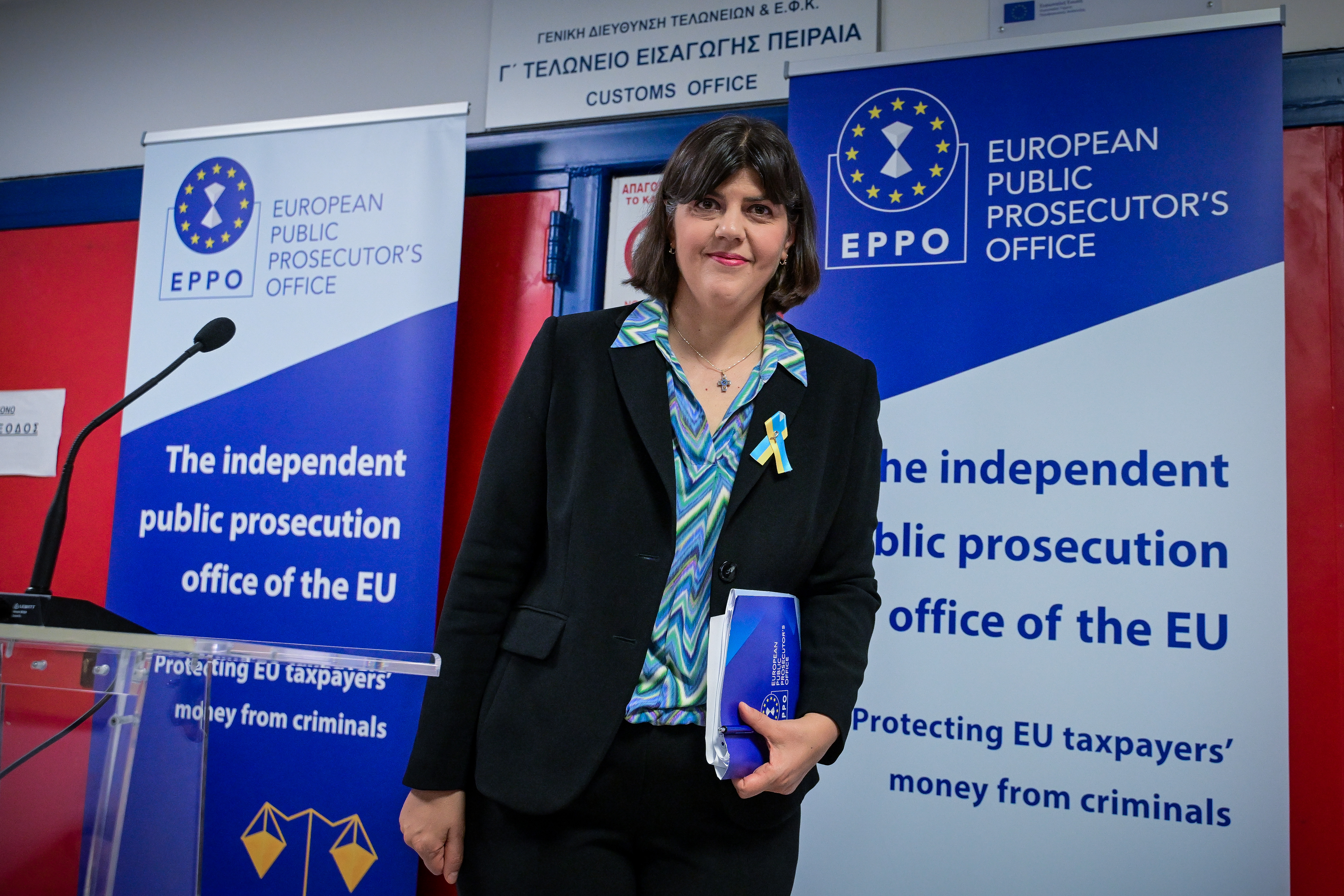
Kovesi, who heads the European Public Prosecutor’s Office, an EU body tasked with investigating and prosecuting fraud against the EU budget, has become a target of criticism from ruling New Democracy MPs over the OPEKEPE agricultural fraud investigation and the summons issued to 13 of the party’s parliamentarians. Her relationship with Athens grew even more strained after Greece’s Supreme Judicial Council, the independent body governing the careers of senior judges, voted to renew the mandates of Greek prosecutors seconded to her office for two years rather than five. The council argued that limiting tenure gives other judges the opportunity to serve and prevents officials from holding the same post for up to a decade. Kovesi is reported to be displeased. The government stressed the decision was the council’s alone.
Two cases have done most to sustain public skepticism: the OPEKEPE agricultural subsidy scandal and the Predator wiretapping affair that has dogged the government for years.
The government nonetheless moved quickly to capitalize on McGrath’s visit. Senior officials noted that while the opposition has been painting a bleak picture of democratic backsliding, the EU commissioner responsible for rule of law had publicly credited the Mitsotakis government with meaningful progress. They also pointed out that McGrath belongs to the Renew Europe political group rather than the EPP, the grouping of the ruling New Democracy party, to underline that his endorsement crossed political lines.
The government’s broader case rests on the Commission’s most recent rule of law report, which it says contains fewer recommendations directed at Greece than at 15 other EU member states, supported by assessments from Transparency International, the OECD and The Economist. On concrete reforms, officials cited a new judicial map that has cut trial scheduling times from four and a half years to seven months, a 50% overall acceleration in the delivery of justice, the digitization of court records, new civil procedure codes, and the adoption into Greek law of EU legislation protecting journalists from abusive lawsuits, known as anti-SLAPP legislation.