
 Μake us preferred on Google
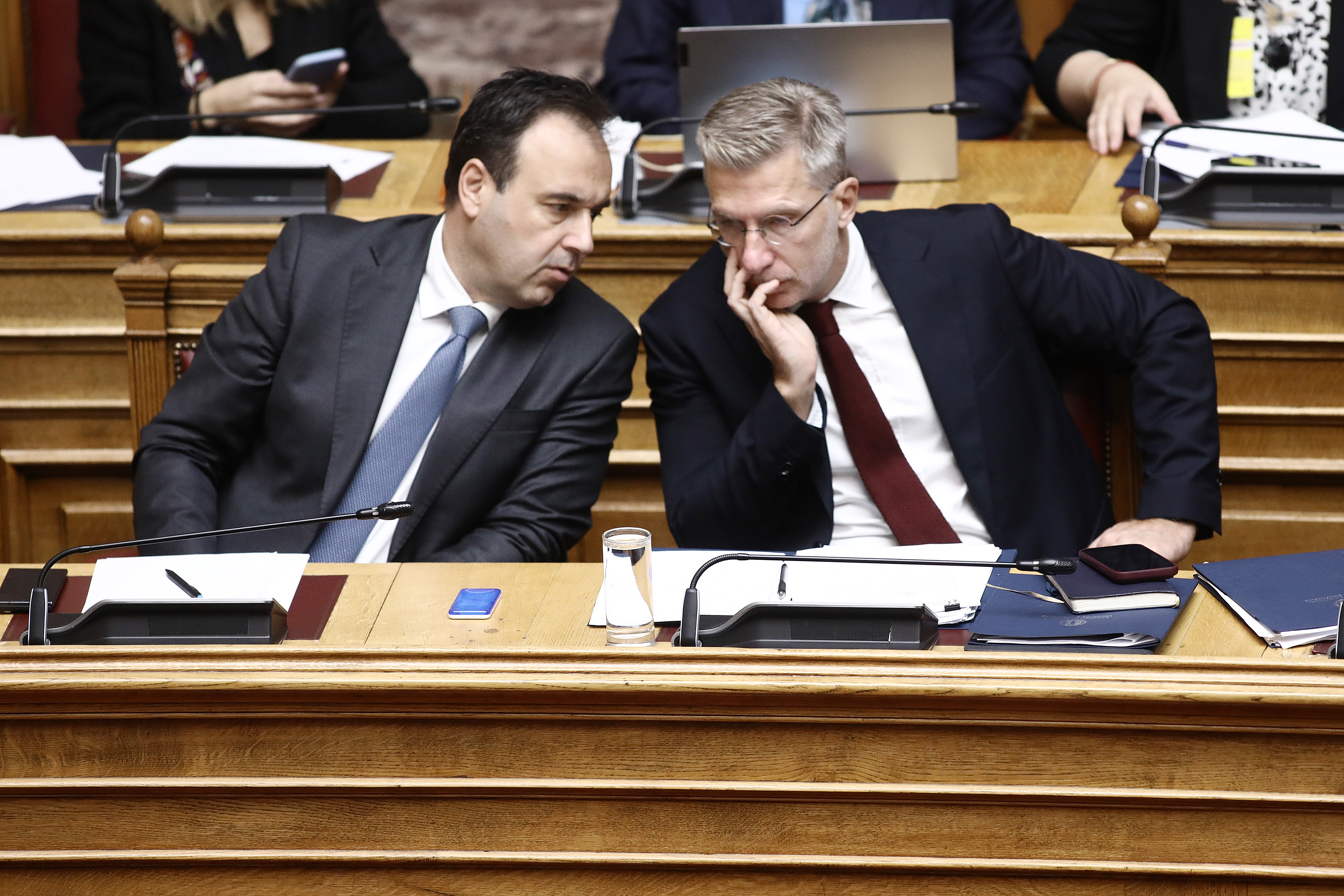
Greece’s parliament approved legislation early Friday banning children under 15 from accessing major social media platforms, joining a growing number of countries introducing restrictions on children’s digital lives.
The legislation, which takes effect on Jan. 1, 2027, passed with votes from the ruling center-right New Democracy party alone. The main opposition party, PASOK, abstained, while the remaining opposition parties voted against the measure.
The decision comes amid an intensifying European debate over children’s online safety, the impact of social media on mental health and the responsibility of technology companies to protect younger users.
While there is broad agreement on the need to protect children online, Greece’s parliamentary debate exposed fundamental disagreements over whether an outright age restriction is the most effective solution.
What Will Change for Children and Parents?
From January, children under 15 will be prohibited from accessing designated social media platforms, initially including Instagram, Facebook and TikTok. Other platforms may be added.
The measure does not prohibit children from using the internet more broadly, accessing educational resources or using digital communication services.
A central feature of the legislation is its proposed age-verification system.
Platforms will be required to verify whether users meet the minimum age requirement. Greece’s existing Kids Wallet and Gov.gr Wallet applications are among the mechanisms that could be used, although no single application will be mandatory.
The system is designed to confirm whether a user meets the age threshold through a digital token without transmitting their identity details to the platform.
The legislation places responsibility for age verification on technology companies rather than requiring parents to monitor every interaction.
However, questions remain over how effectively the system will prevent children from circumventing restrictions, how existing accounts will be handled and whether verification mechanisms can operate without compromising personal privacy.
Europe Moves Toward Stricter Social Media Rules
Greece’s decision comes amid a broader international effort to introduce age restrictions on social media, although governments differ over the appropriate age limits and how the measures should be enforced.
Australia became the first country to implement a nationwide ban for children under 16 in December 2025, establishing a precedent that European governments have been closely following.
Across Europe, governments have pursued different approaches.
Denmark has announced plans to restrict social media access for children under 15, with provisions allowing some younger teenagers to access platforms with parental permission. Spain has proposed a ban for children under 16, while Poland and Slovenia have also considered restrictions.
The United Kingdom has pursued plans to restrict access for under-16s, alongside measures addressing harmful online content and platform design.
France offers a particularly significant example of the legal challenges involved.
In July 2026, French lawmakers approved legislation banning social media access for children under 15. However, on Aug. 14, the country’s Constitutional Council struck down the central provision, finding that it infringed on freedom of expression.
The decision raised questions about how governments can balance child protection with fundamental rights, including freedom of expression and privacy.
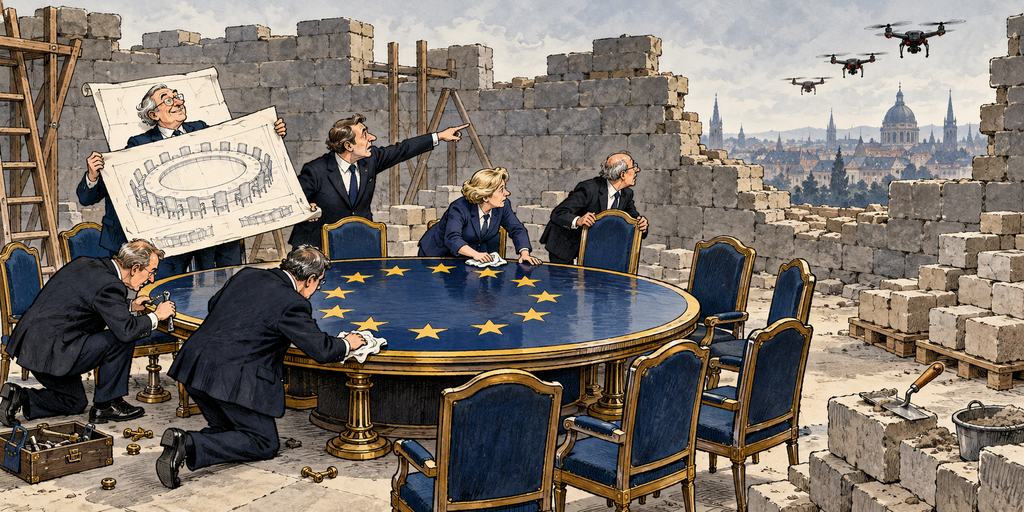
The EU Proposes a Common Framework
The European Union is also moving toward a more coordinated approach.
On Sept. 17, the European Commission introduced its proposed EU KIDS Act, which would establish common rules for children’s access to social media and strengthen requirements for the design of online services used by minors.
Under the proposal, children under 13 would not be permitted to access social media. Those aged 13 and 14 could use limited accounts managed by a parent or guardian, while teenagers aged 15 and older would be permitted to open their own accounts.
The proposal also goes beyond age restrictions by targeting features designed to encourage prolonged engagement, including infinite scrolling, certain reward mechanisms and notifications during sleeping hours.
Other provisions would require stronger privacy settings, restrictions on unsolicited contact from strangers and additional safeguards for AI chatbots and companions used by minors.
Crucially, the proposed legislation would shift greater responsibility onto technology companies to demonstrate that their services are safe and appropriate for younger users.
The EU KIDS Act builds on the existing Digital Services Act, which already requires platforms accessible to minors to provide a high level of privacy, safety and security.
Unlike the existing framework, however, the new proposal would establish common age thresholds across the EU.
The legislation still requires approval by the European Parliament and the Council before becoming law.
For Greece, the emerging EU framework is particularly relevant. While both the Greek law and the proposed European rules establish 15 as the threshold for independent social media access, the EU proposal would allow limited, parent-managed accounts for children aged 13 and 14.
This difference could become important as European lawmakers negotiate the final legislation and national governments work to align their rules with the EU framework.
Why Did Greece’s Opposition Parties Object?
Although opposition parties broadly acknowledged the risks associated with children’s social media use, they challenged different aspects of the government’s approach.
PASOK advocated graduated protections based on age rather than a blanket ban. Its proposal emphasized parental involvement, digital literacy, safer platform design and stronger corporate accountability.
SYRIZA questioned whether evidence of harm from social media necessarily demonstrated that an outright ban would be effective. It also raised concerns about age verification, personal data protection and how the results of the legislation would be evaluated.
The Communist Party (KKE) argued that the measure failed to address the business models of major technology companies, particularly algorithms and other features designed to maximize user engagement.
Course of Freedom similarly criticized the absence of stronger measures targeting addictive platform features and questioned how teenagers over 15 would be protected from cyberbullying, sexual exploitation and harmful content.
Greek Solution emphasized education and parental guidance over prohibitions, while Niki questioned the technical readiness of the age-verification system and the safeguards available to users.
Responding to the criticism, Minister of State Akis Skertsos argued that the need for effective safeguards should not become a justification for delaying action.
He said that 13 of the 15 organizations participating in parliamentary committee hearings had assessed the proposed intervention positively and rejected calls to wait for a new European regulatory framework.
The government maintains that its legislation has been prepared in consultation with the European Commission and complies with EU law.
Will Social Media Bans Work?
The effectiveness of age-based restrictions remains a central question, both in Greece and internationally.
Supporters argue that restricting access can reduce children’s exposure to harmful content and place greater responsibility on technology companies to protect younger users.
Critics question whether age verification can be implemented reliably and whether children might circumvent restrictions by using false credentials, other people’s accounts or less regulated services.
There is also a broader debate about whether excluding younger children from social media addresses the underlying design of platforms that encourage prolonged engagement.
The experience of Australia, where restrictions have been in place since December 2025, is likely to be closely watched as European governments develop their own policies.
For Greece, the immediate challenge is implementation. With the new rules scheduled to take effect in just over two months, attention will turn to the readiness of age-verification systems, the obligations imposed on platforms and the safeguards protecting users’ personal information.
The broader question, one increasingly confronting governments across Europe, is whether age restrictions alone can make the digital environment safer for children, or whether more extensive changes to the way social media platforms operate will also be required.