 Μake us preferred on Google
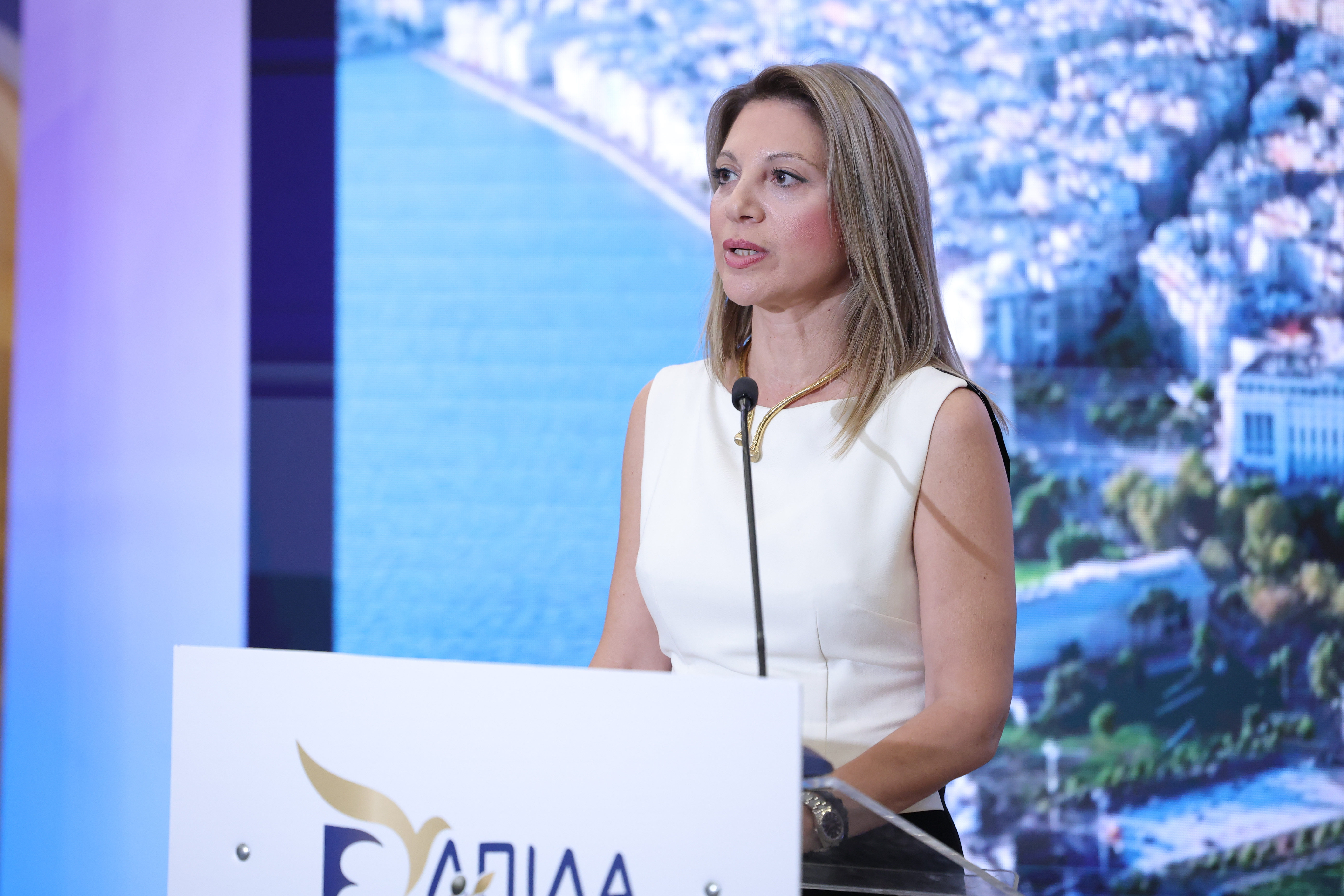
 Maria Karystianou, president of the “Hope for Democracy” movement, presented the group’s governing program in Thessaloniki as part of the Thessaloniki International Fair.
Teams of experts and market professionals worked for months to put the plan together, while Karystianou sharply criticized previous governments over the Tempi tragedy, the country’s bailout memorandums, and the wiretapping scandal.
Sweeping changes to the justice system
The program calls for the complete repeal of the law on ministerial responsibility, aimed at separating judicial leadership from whichever executive branch happens to be in power.
Also on the table: the creation of a Constitutional Court and the elimination of all forms of legal immunity from prosecution. Digitizing all judicial procedures is framed as an immediate priority to speed up rulings.
A new doctrine for national defense
“Hope for Democracy” is also introducing a new foreign policy strategy built around a doctrine of active deterrence. Karystianou called for reviving the joint defense doctrine between Greece and Cyprus.
She also proposed immediate measures for armed forces personnel to stem the wave of resignations. The plan includes establishing a National Defense University with equal standing to the country’s other universities.
Solutions for demographics and migration
Karystianou described the country’s demographic decline as its top national priority, proposing financial incentives for new families and a dedicated housing policy.
On migration, she called for strict border controls and a clear distinction between legal and illegal entry, with deportation procedures to be strictly enforced for those without the right to remain in the country.
Support for the primary sector
The plan includes creating a National Primary Sector Council to combat market cartels, along with strict import controls and a crackdown on illegal relabeling of foreign products as Greek.
OPEKEPE, the agricultural payments agency, would report directly to the Ministry of Rural Development, fully separated from the tax authority (AADE), a change aimed at improving transparency and oversight of EU farm subsidies.
An overhaul of education and university entrance exams
Education is described as a top priority, with changes spanning from preschool through university. Permanent psychologists and social workers would be placed in every school within four years.
The proposed new university admissions system would reduce the weight of the national Panhellenic exams to 40%. High school grades would count for 30%, personal effort for 20%, and social criteria for 10%.
The movement says it supports public universities while respecting the constitutional framework for private universities. Substitute teachers would gradually be replaced with permanent school appointments.
Energy and tax relief
The plan proposes a mixed energy model that includes using lignite to help stabilize prices. The economic plan also includes VAT cuts on basic goods and baby products.
Borrowers would be protected through strict oversight of loan servicing companies and protections for primary residences, with special provisions for income tax and property tax (ENFIA) for small and medium sized businesses.
Social policy and disability
The program guarantees universal access to education for people with disabilities. Karystianou also proposed introducing personal assistants for people with disabilities and a complete overhaul of the KEPA disability assessment centers.
Accountability, transparency, and a smaller parliament
Karystianou stressed that all of the movement’s proposals are fully costed, and the plan calls for reducing the number of members of parliament to 200.
Establishing ongoing asset disclosure requirements for political figures is described as a core pillar of the program, aimed at restoring public trust in institutions and the state.