 Μake us preferred on Google
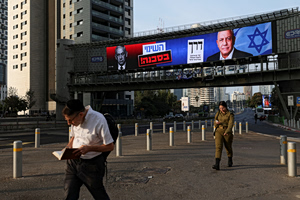
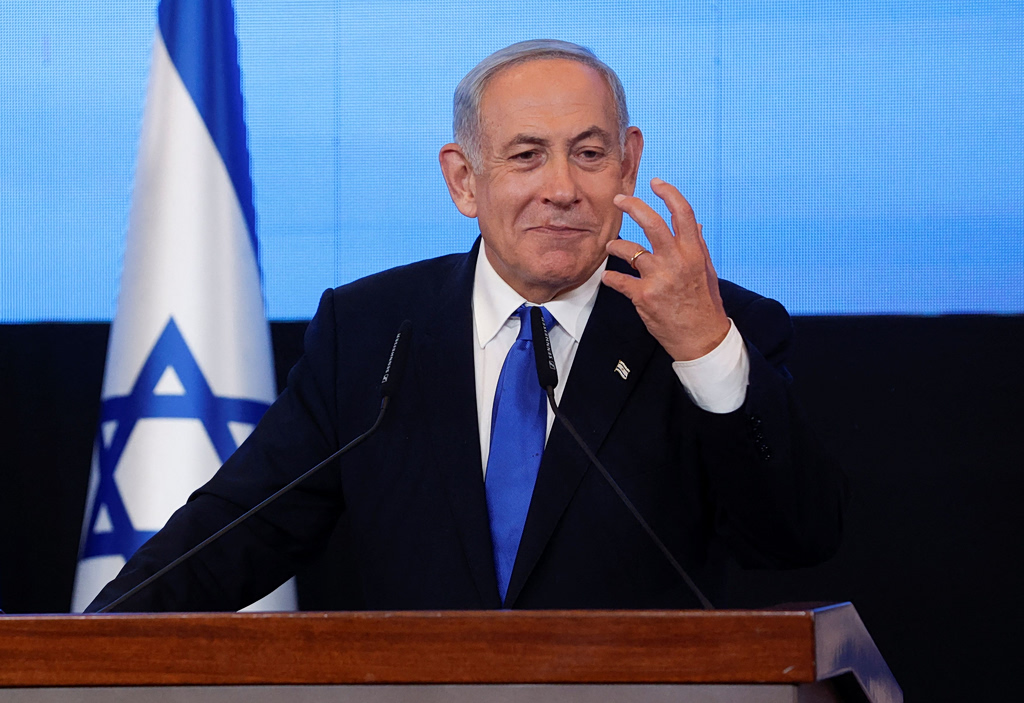
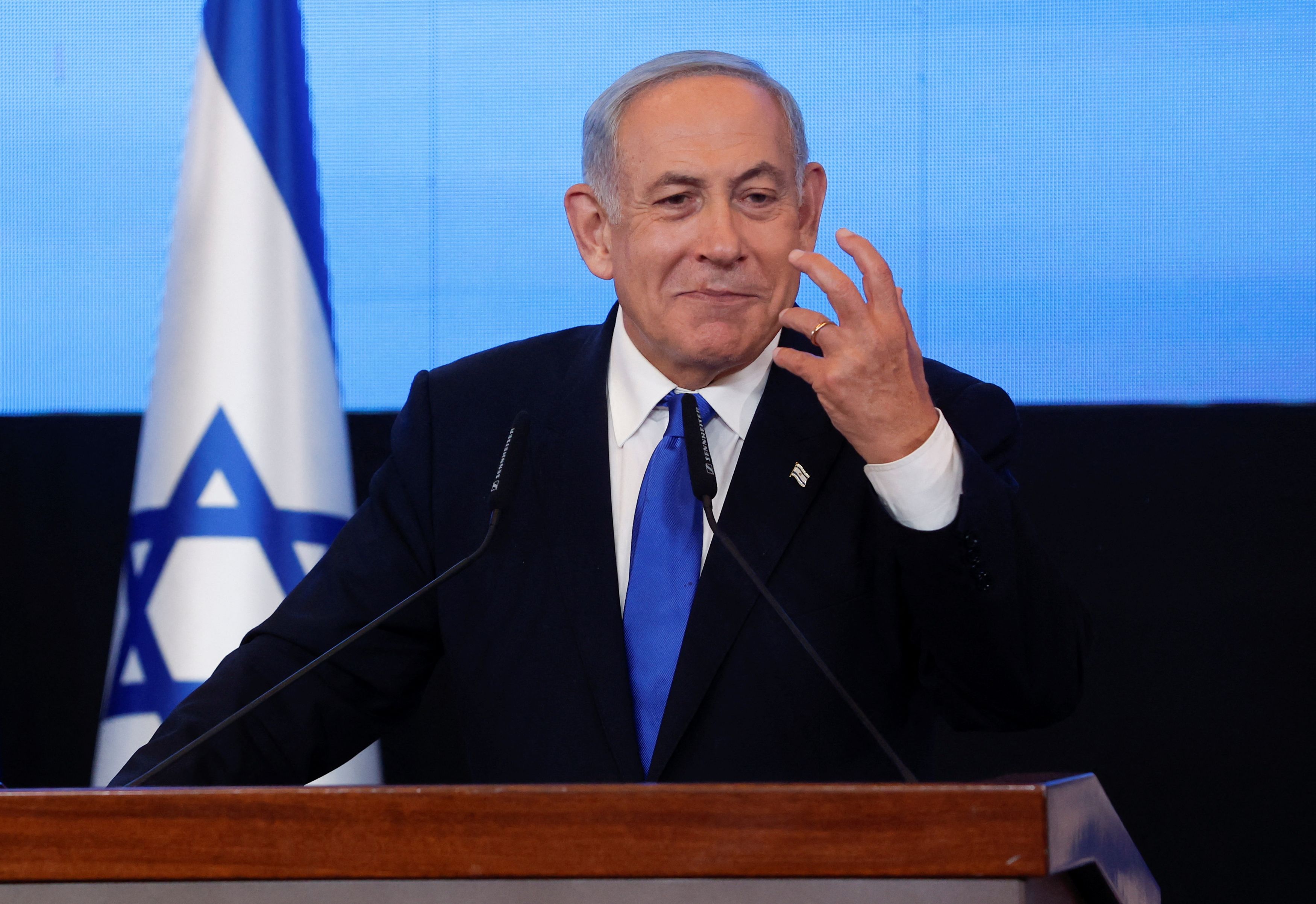
Israel’s election has left Prime Minister Benjamin Netanyahu facing an uncertain path to another term, with early results suggesting that neither his political camp nor the opposition has secured the numbers needed to form a government.
The outcome could lead to weeks of negotiations among rival parties, with the possibility of another election if no viable coalition emerges. Nearly half the vote had been counted, and the distribution of seats remained inconclusive.
The results are expected to become clearer by Thursday. In Israel’s 120-seat parliament, the Knesset, a government needs the support of at least 61 lawmakers.
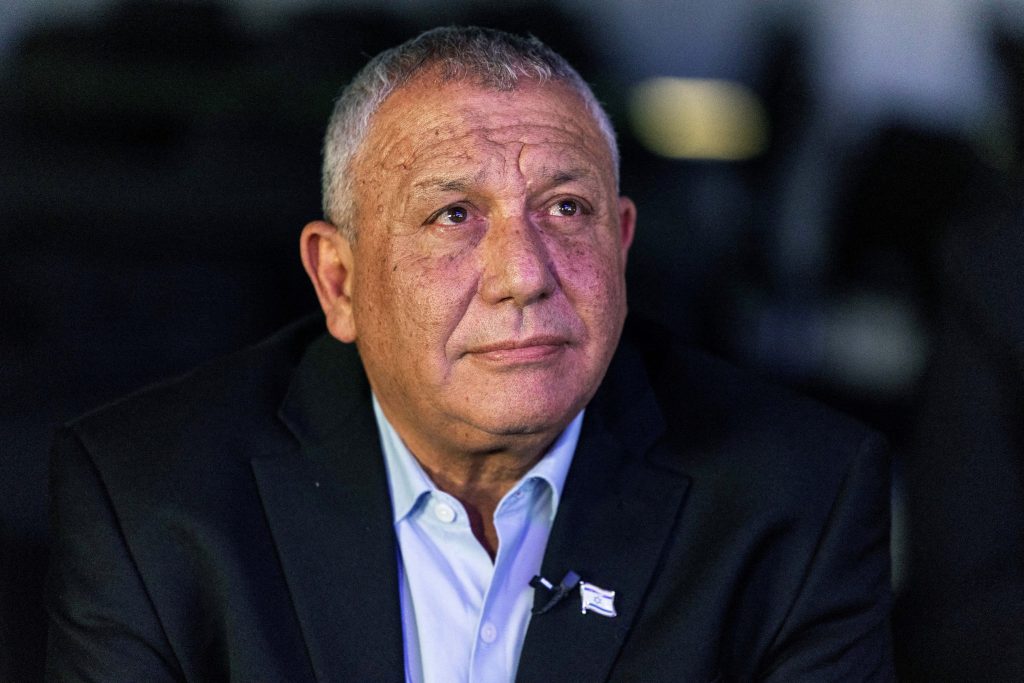
FILE PHOTO: Former Israeli military chief Gadi Eisenkot, who is running for prime minister in the next Israeli elections, attends MUNI EXPO, a municipal conference, in Tel Aviv, Israel June 24, 2026. REUTERS/Nir Elias/File Photo
A divided parliament complicates the next government
Projections based on 48.4% of the vote counted gave Netanyahu’s bloc 55 seats, compared with 50 for the camp led by former military chief Gadi Eisenkot. Arab parties were projected to hold 15 seats.
Netanyahu, 77, called for the formation of a strong right-wing government. Eisenkot, who leads the Yashar party, interpreted the result as a rejection of the incumbent and urged him to step aside.
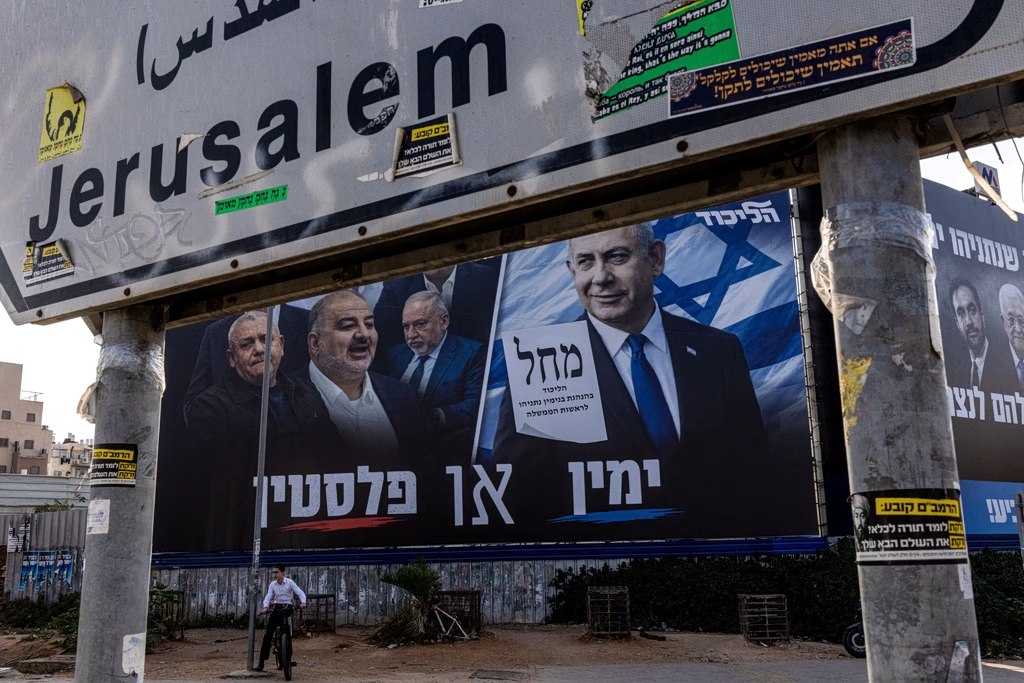
Neither side has an easy route to a majority. Netanyahu’s coalition depends on right-wing and religious parties, including those led by far-right politicians Itamar Ben-Gvir and Bezalel Smotrich. Together, their parties were projected to win 13 seats, without a significant increase in support.
Netanyahu’s previous coalition held 68 seats. His current political camp is also unwilling to rely on Arab parties to make up the difference.
Eisenkot faces a similar constraint. His camp has largely ruled out bringing Arab parties into a governing coalition, narrowing the options for assembling a parliamentary majority.
The Joint List, an alliance of Arab parties, welcomed the early results. Its candidate Faten Gattas said the alliance rejected occupation and racism and would remain in Israeli politics.
Israel’s fragmented party system has repeatedly made coalition formation difficult. Negotiations have taken weeks or months in the past, and inconclusive talks have sometimes led to another election. Eisenkot has opposed returning to the polls, pointing to the strong turnout as a reason to respect voters’ decision.
Participation reached 77.7%, around seven percentage points higher than in 2022 and the highest level in more than 20 years. The shekel weakened modestly following the results.
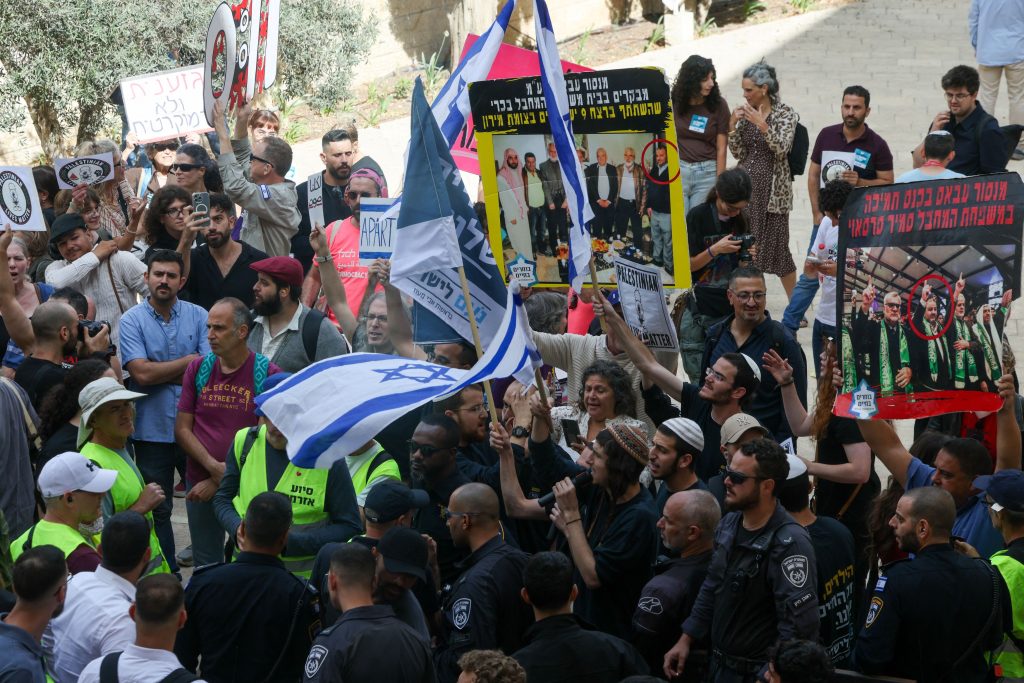
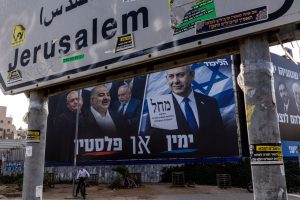
Israelis protest outside the Supreme Court on the day judges hear appeals on the Central Elections Committee’s decisions to disqualify Balad chairman Sami Abu Shehadeh, Hadash-Taal MK Ofer Cassif and Arab party lists from running in Israel’s upcoming national elections, in Jerusalem, October 1, 2026. REUTERS/Ronen Zvulun
Security remains central to the political contest
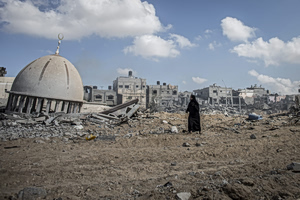
The election was held against the backdrop of years of conflict involving Israel, including the war in Gaza and confrontations with Hezbollah in Lebanon and Iran. Security failures surrounding the Hamas-led attack of October 7, 2023, have remained a major issue for Netanyahu.
The attack killed about 1,200 people in Israel and saw 251 taken hostage. Netanyahu has defended his record by pointing to Israeli military operations against Hamas, Hezbollah and Iranian leaders, arguing that they have made Israel and the wider world safer.
U.S. President Donald Trump endorsed Netanyahu during the campaign. Trump described the election as close and suggested that a tie could still be considered a victory.
Eisenkot has argued that Netanyahu no longer commands public trust and has warned against politicizing Israel’s security establishment. Although considered a centrist on domestic issues, he takes a hard line on security and opposes Palestinian statehood. He has said Hamas’ military wing must be destroyed and dismantled.
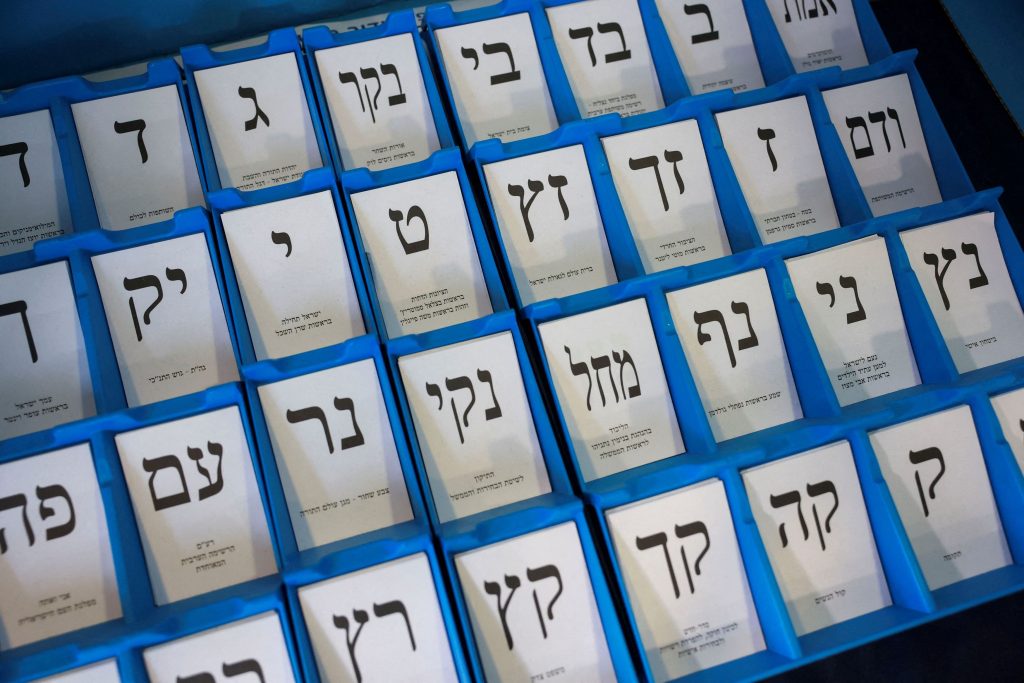
A tray is pictured during distribution preparations at the Israeli Central Elections Commission warehouse, as ballot boxes are prepared ahead of Israel’s national election, in Shoham, Israel, October 14, 2026. REUTERS/Ronen Zvulun TPX IMAGES OF THE DAY
The challenger has also questioned whether the war in Gaza achieved its objectives, arguing that Hamas remains in control despite the scale of Israel’s campaign. Gaza health authorities put the Palestinian death toll from the war at more than 74,000.
Eisenkot’s criticism carries a personal dimension. He lost a son and two nephews during the Gaza war. After the October 2023 attack, he joined Netanyahu’s war cabinet but resigned eight months later, criticizing the government’s leadership.
Netanyahu’s political future under scrutiny
Netanyahu has served as prime minister for nearly 19 of the past 30 years. Since 2009, the opposition has managed to remove him from office only once: after four inconclusive elections over a two-year period, a rival coalition took power, but Netanyahu returned around 18 months later.
His political standing has been challenged by criticism of the security failures that preceded the October 7 attack, as well as longstanding corruption charges that he denies.
The current result leaves his opponents with an opportunity to challenge his leadership, but it does not guarantee they can replace him. The exclusion of Arab parties from both leading camps could make the negotiations particularly difficult.
The election is Israel’s first since the October 7 attack and comes after years of regional conflict and domestic political division. The final parliamentary balance will determine whether Netanyahu can retain power or whether his opponents can agree on an alternative government.