 Μake us preferred on Google
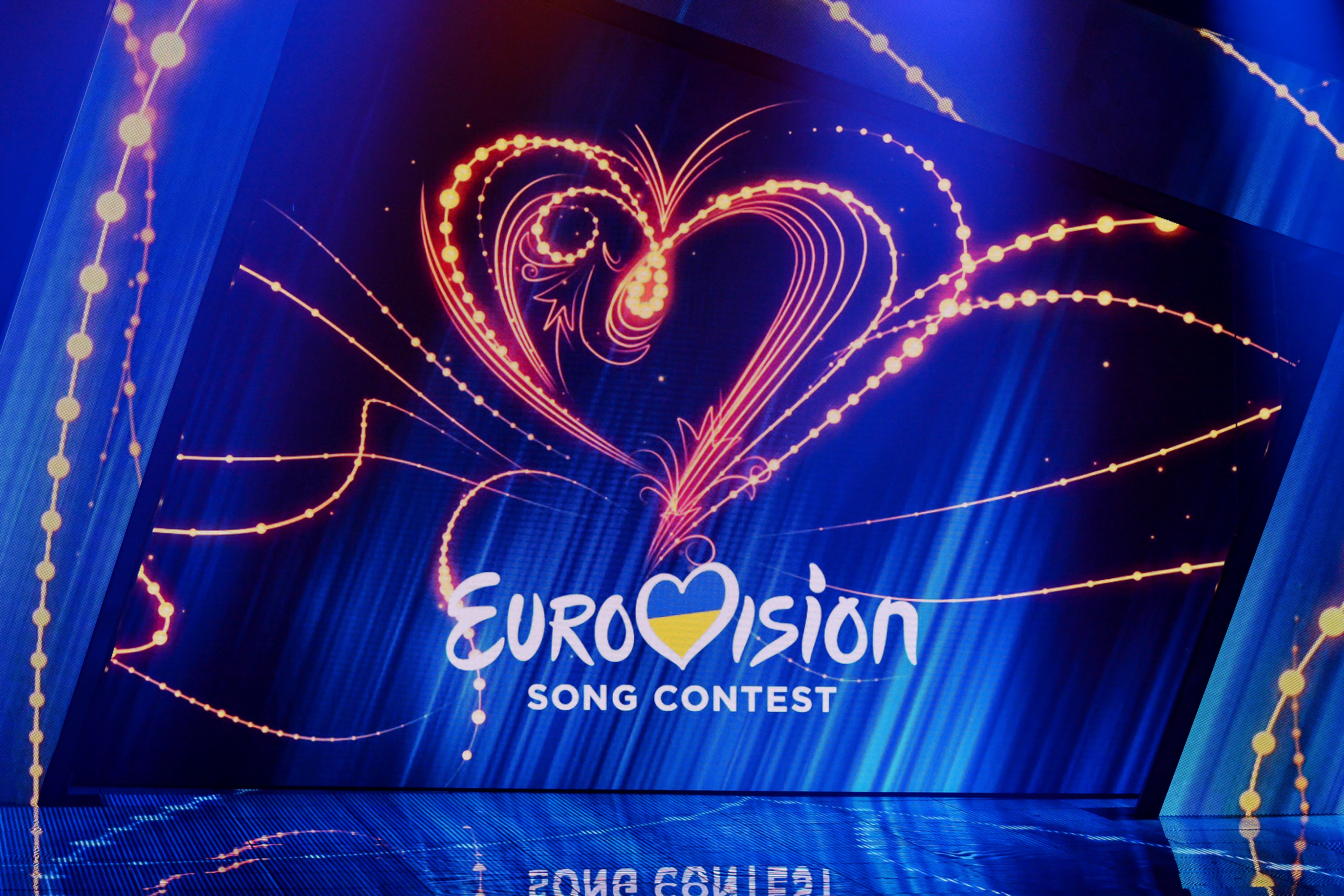
A total of 36 countries are preparing to compete in the 2027 Eurovision Song Contest, according to a list released by the European Broadcasting Union (EBU), with Canada making its debut and North Macedonia returning after four years away.
The 71st edition of the annual music competition will take place in Burgas, Bulgaria, from May 11 to 15. The number of participating countries is one higher than in 2026, despite the Czech Republic withdrawing for financial reasons.
The final lineup may still change. Ireland, Iceland, Spain and Slovenia are among the countries staying away amid opposition to Israel’s participation, while Spain and Slovenia have left open the possibility of reconsidering their decisions before December.
The draw for the two semifinals is scheduled to take place in Burgas in January, once the list of participating countries has been finalized.
Canada prepares for its Eurovision debut
Canada will participate in Eurovision for the first time following the admission of its public broadcaster, CBC/Radio-Canada, as a full member of the EBU last July.
The broadcaster has announced five artists competing for the chance to represent Canada in Burgas. The public has been invited to vote for its favorite song through November 5.
View this post on Instagram
North Macedonia returns after four-year absence
North Macedonia is also returning to the competition after missing four editions. Its most recent appearance was in Turin in 2022, when Andrea performed “Circles” but failed to qualify for the final.
The country first competed in Eurovision in 1998 in Birmingham, represented by Vlado Janevski with the song “Ne Zori, Zoro.”
North Macedonia has participated 21 times and reached the top 10 only once. In 2019, Tamara Todevska finished seventh with “Proud.”
Why 13 countries will be absent
Thirteen countries are expected to miss Eurovision 2027 for a range of political, financial and other reasons.
Ireland, Iceland, Spain and Slovenia are staying away amid controversy over Israel’s participation. Spain and Slovenia, however, have indicated that their decisions may not be final, leaving room for a possible return before the December deadline.
A second group comprises countries facing financial difficulties or limited domestic interest in the contest. Slovakia, Monaco, Andorra and Bosnia and Herzegovina join the Czech Republic in this category.
Turkey and Hungary remain absent because of longstanding ideological and political disagreements with the competition. Russia and Belarus, meanwhile, remain excluded from the EBU over violations of the union’s fundamental principles and statutes, and continue to face its sanctions.
The possibility of changes to the lineup means the number of participating countries could still be revised before the semifinal draw in January.