 Μake us preferred on Google
Three Greek nationals were among the survivors of the high-speed train collision in Spain’s Toledo province, which left at least 68 people dead and dozens injured. They are members of the Dritsas family, a mother and her two sons, 21-year-old Marios and 18-year-old Christos, who described their ordeal to the Spanish newspaper El País.
The family had arrived in Madrid the previous Saturday and was traveling to Seville as tourists when the trip turned into a nightmare.
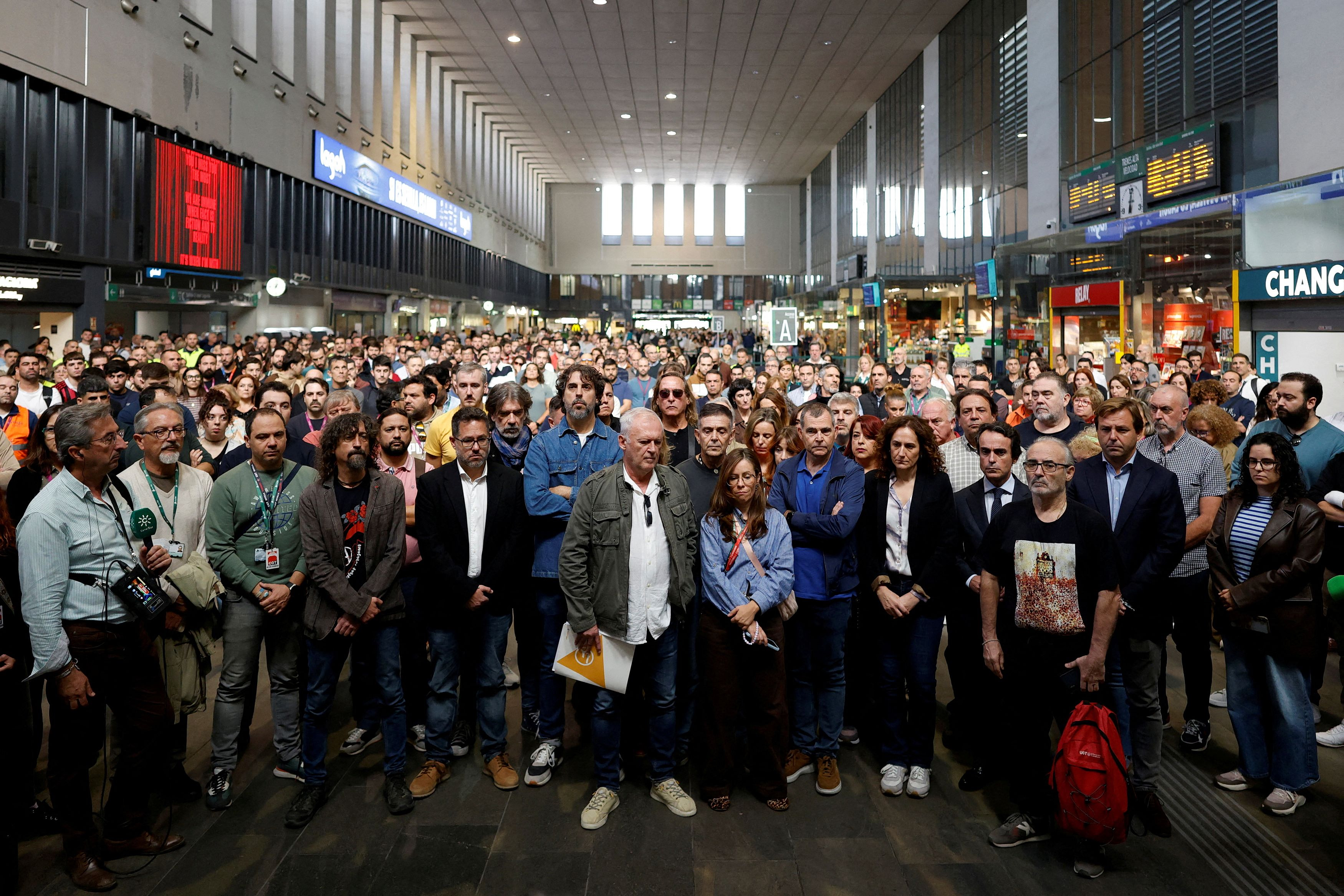
Seville residents hold five minutes of silence for the victims of the collision of two high-speed trains between the towns of Mora and Orgaz, at Santa Justa train station in Seville, Spain, October 29, 2026. REUTERS/Marcelo del Pozo
What Happened
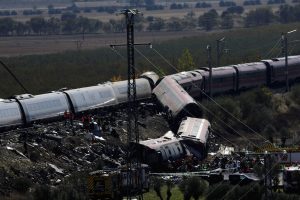
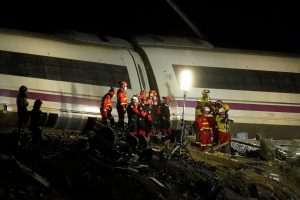
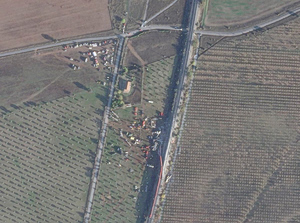
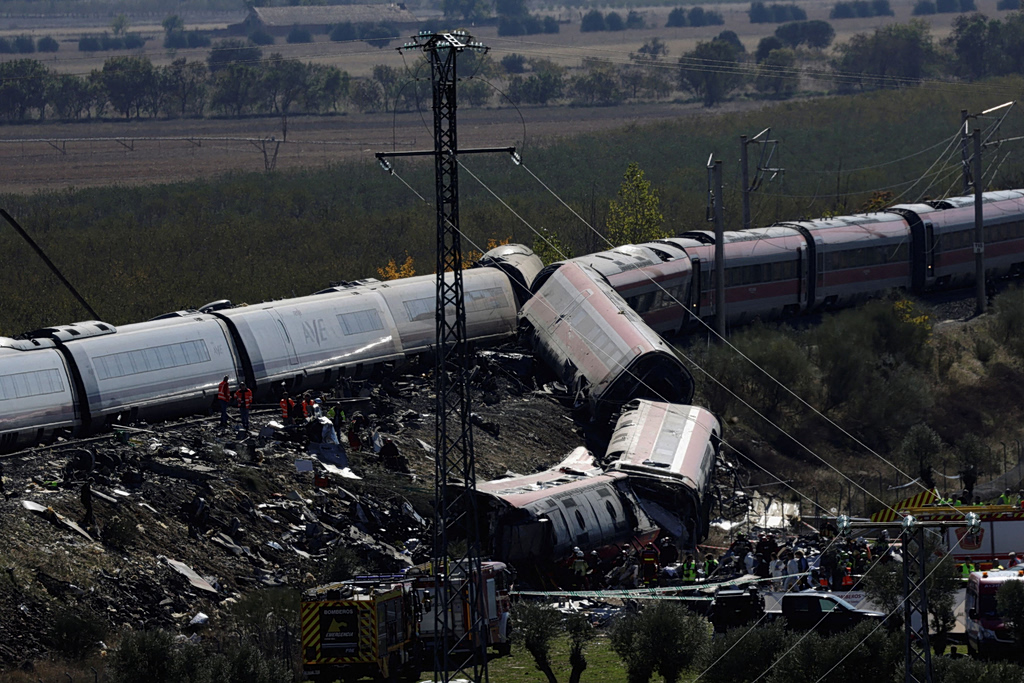
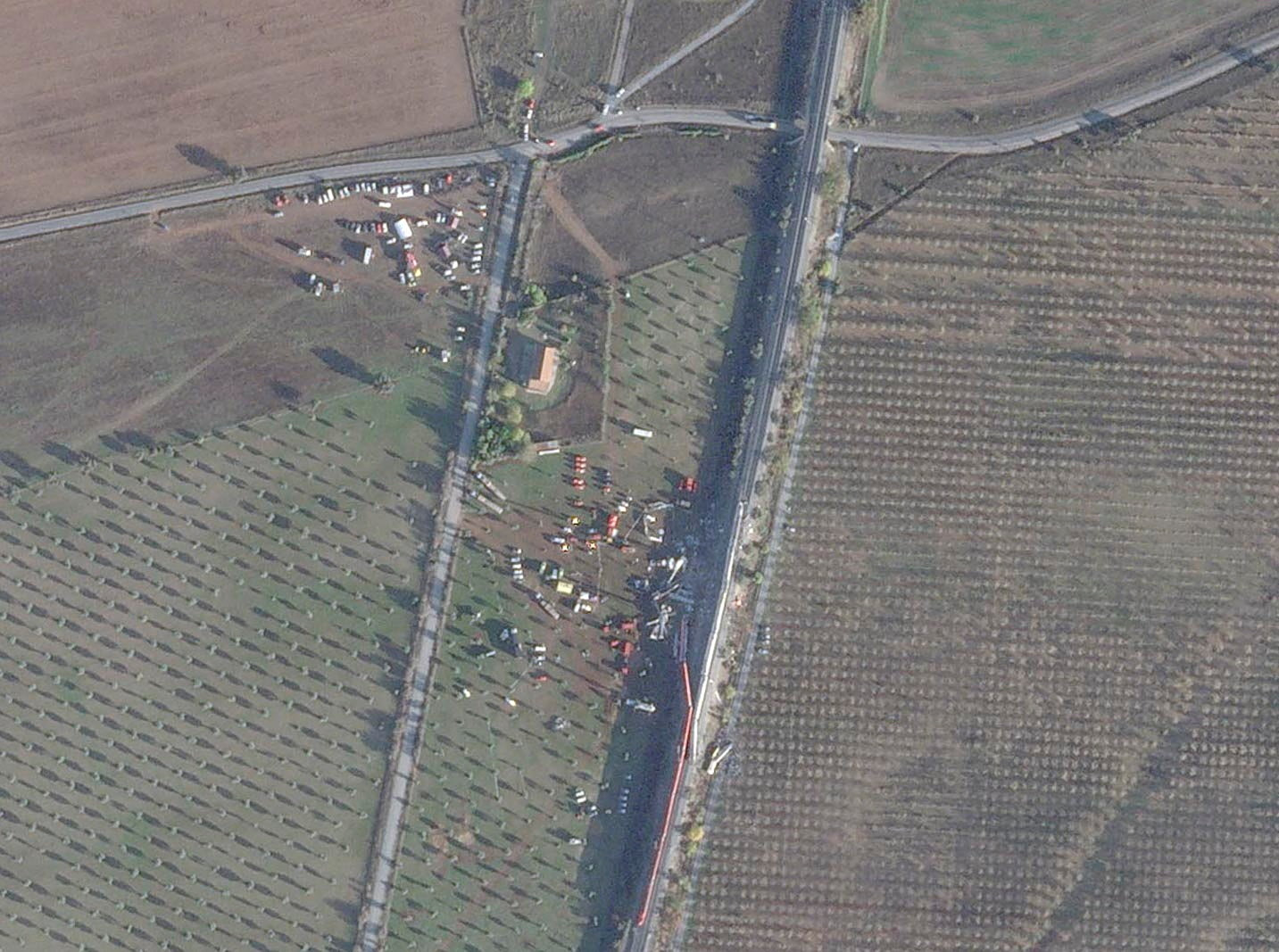
The crash took place on Wednesday morning, October 28. A high-speed train slammed into the rear of another train that had stopped in central Spain, derailing two carriages, according to the regional government. Both trains were carrying hundreds of passengers south from Madrid to Seville, according to Spain’s rail network operator ADIF. Officials said there were 397 passengers on the Renfe train and 147 on the Iryo train.
Emiliano García-Page, president of the Castilla-La Mancha region, said 24 of the victims were on the Renfe train and the rest on the Iryo train. Transport Minister Óscar Puente blamed what he called an “inexplicable” order from a central command center after a safety system had failed, and said the train drivers were not at fault.
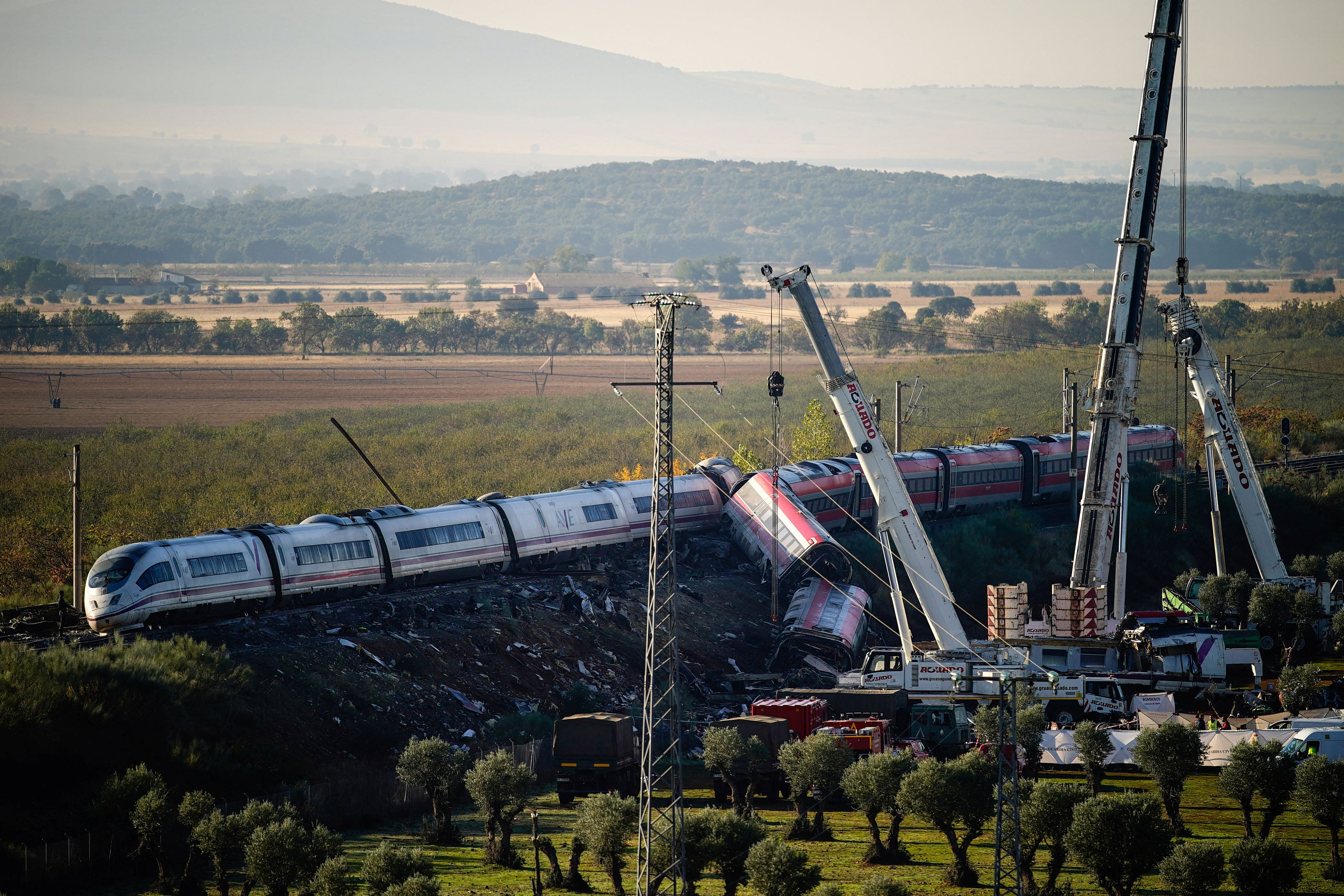
Cranes at the site of the collision the day after two high-speed trains crashed between the towns of Mora and Orgaz, near Toledo, Spain, October 29, 2026. REUTERS/Ana Beltran
“Suddenly Time Stopped”
Shortly before the collision, Marios and his mother had gone to the dining car for breakfast, while the younger son stayed in his seat. While they were waiting for their order, the impact threw passengers on top of one another.
“Suddenly time stopped,” Marios told El País.
The dining car derailed and tilted at an angle of about 30 degrees. Amid the panic, the two managed to get up and reach Christos, confirming he was alive.
The Seat Change That Saved Him
Christos told the newspaper that shortly before the crash he decided to move into the seat his older brother had left empty. The seat he had originally been sitting in was ripped out by the force of the collision.
The three eventually found each other, got out of the wrecked train and made their way to an almond orchard nearby.
Mother Injured
The mother suffered a broken collarbone and was taken to the hospital in Toledo. El País reporters found her in a wheelchair with her arm in a sling, visibly shaken. She told them she was still in shock and let her sons describe what had happened. According to the report, she broke down in tears while looking at her phone, and her sons hugged her to comfort her.
The family thanked the rescue teams and medical staff, as well as a volunteer who drove them in his car from the crash site to a nearby village. After the experience, they dropped their plans to continue on to Seville and intended to return to Madrid to rest.
Spain in Mourning
The collision is Europe’s deadliest rail disaster since the 2013 crash in Santiago de Compostela, Spain, which killed 80 people. It is also the second deadly high-speed train collision in Spain this year, after a crash in the south of the country killed 45 people in January. Speaking from Urda, Prime Minister Pedro Sánchez announced three days of official mourning, from October 29 to 31.
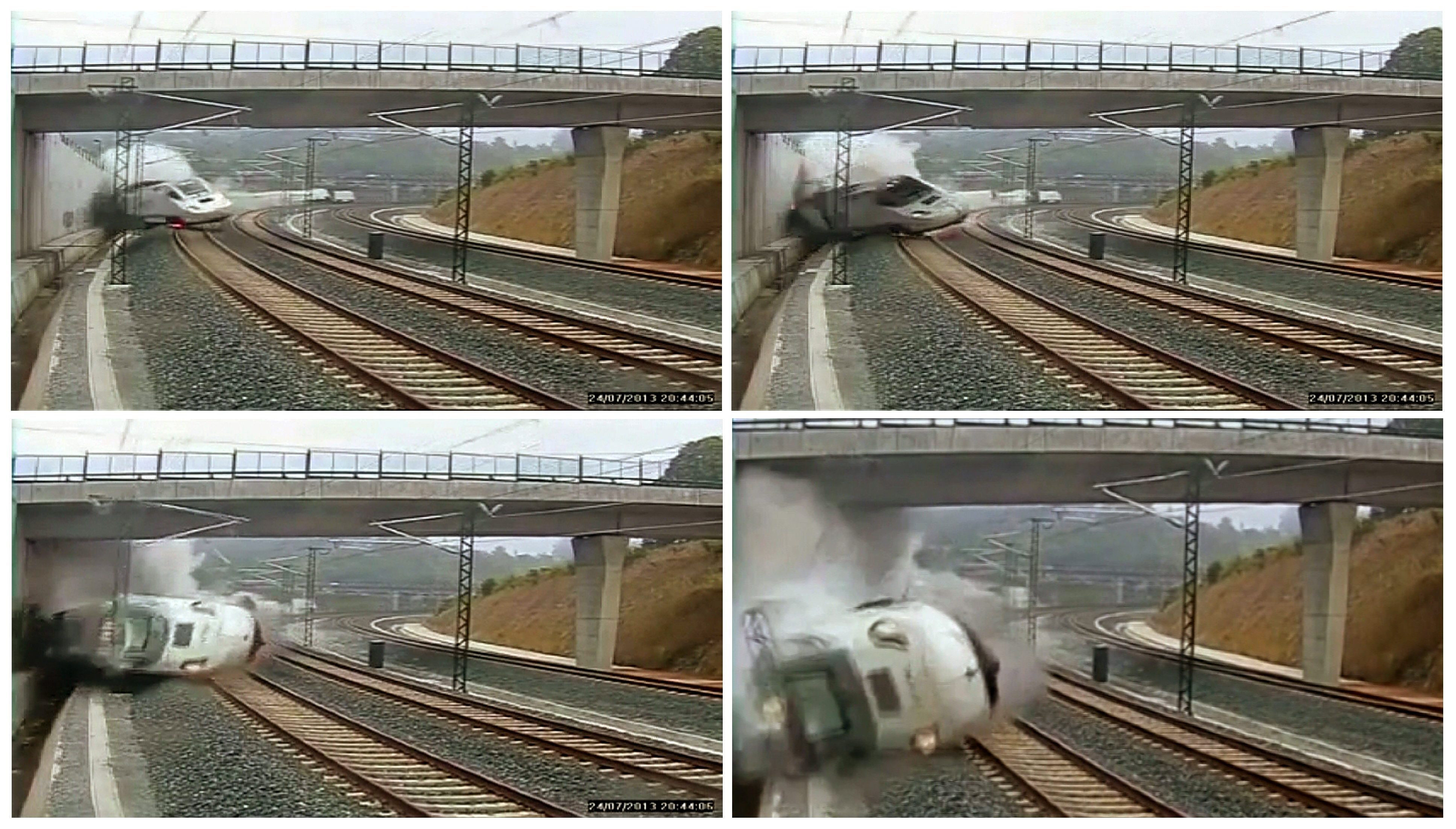
A footage made available on 25 July 2013 showing the moment that the train derails outside the north-western Spanish city of Santiago de Compostela. The train was travelling between Madrid and Ferrol when it derrailed while approaching the train station of Santiago de Compostela on 24 July. The death toll in Spain’s worst train accident in four decades has risen to 78, with 130 others injured, as investigators focused on whether excessive speed was to blame. EPA/ho