 Μake us preferred on Google
Millennials grew up in a world facing one crisis after another.
In 2008, a global financial crisis hit while we were still teenagers or taking our first steps at university. The economic system as we knew it was shaken to its core, and our lifestyles and expectations for the future were disrupted.
After that, the ongoing consequences of climate change began to undermine our optimism about the future. A dystopian reality, marked by extreme weather events and natural disasters such as wildfires and floods, forced us to rethink how we wanted to move forward and what could be done to prevent a seemingly inevitable catastrophe.
Just as momentum was building around climate action, the COVID-19 pandemic broke out, and the world froze in the face of a virus for which no effective treatment was initially available. We stayed at home, learned TikTok dances, and realized that the society we knew could be locked down in just one week.
Shortly after the shock of the COVID-19 pandemic began to subside, a military conflict that could have been anticipated erupted on the European continent, forcing the Western world to confront the consequences of its actions. Since then, we have found ourselves navigating a world in constant flux.
Taking all of this into consideration, our generation has spent much of its adulthood navigating challenges we did not create and dealing with decisions we were not given the opportunity to shape.
Despite this, we have never stopped asking for a better future.
In 2019, Millennials and Gen Z came together to support and amplify the Fridays for Future movement, demanding meaningful action on climate change. What began as a youth-led call for accountability grew into a global movement, bringing millions of people onto the streets and placing climate action high on the political agenda, both in Europe and beyond. This remarkable mobilization demonstrated what younger generations can achieve when they unite around a shared purpose.
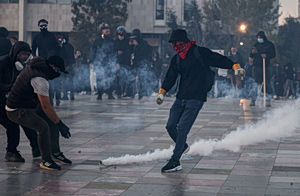
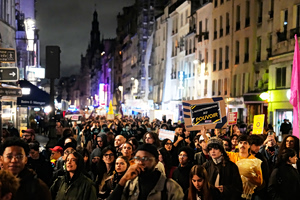
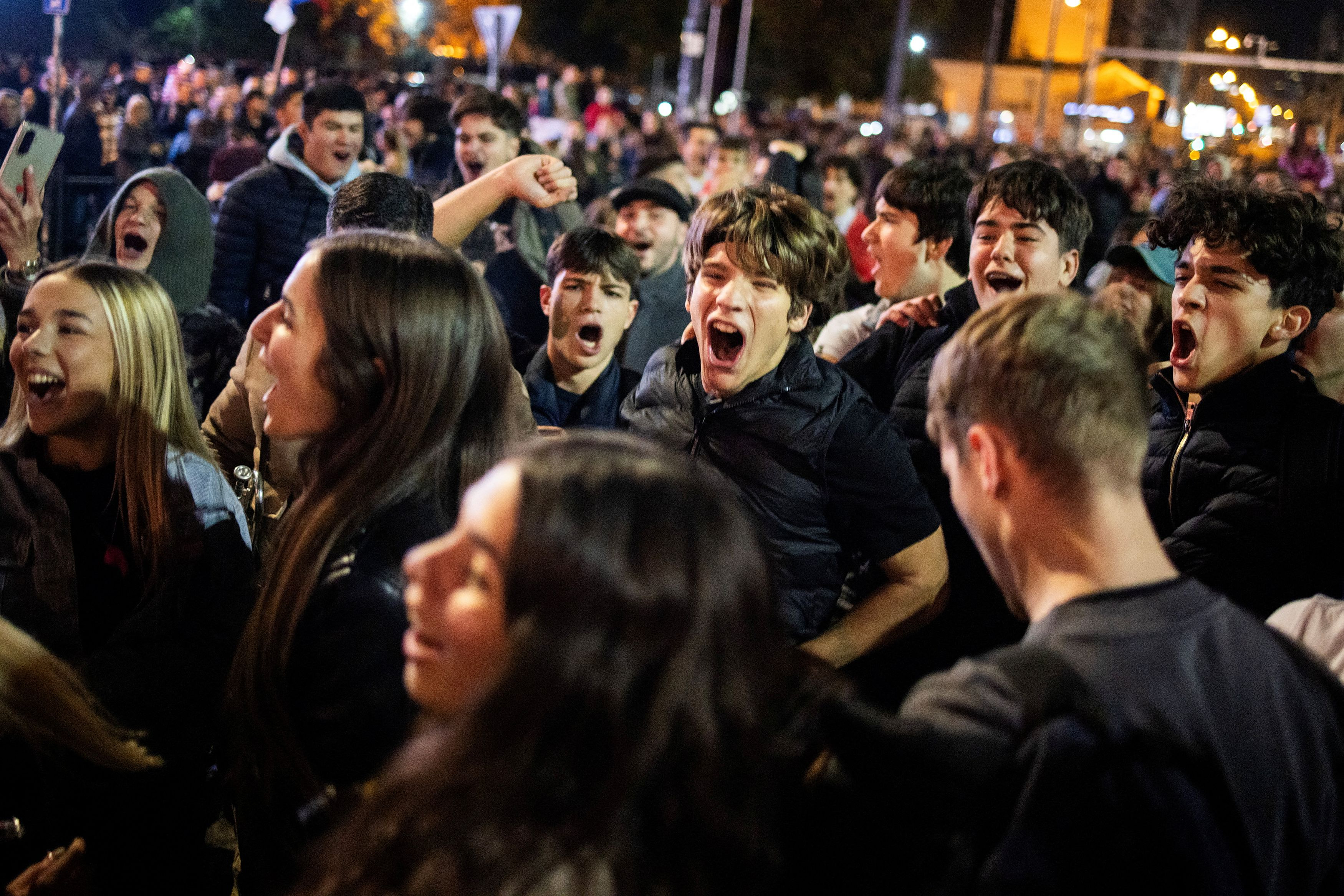
Today, we are witnessing another wave of youth mobilization across the world. From Serbia to Spain and France, students and young people are increasingly making their voices heard, demanding greater accountability, stronger democratic institutions, and a future that leaves no one behind. While some protests have been marked by disturbing scenes of violence, the central message remains clear: young people increasingly refuse to remain on the sidelines of decisions that will shape their lives.
Recent political developments in Serbia, including the electoral victory of the student political party, highlight the potential of youth mobilization to challenge established political structures and bring new voices into public debate. The lesson, however, extends beyond any single country or election.
When our generations build alliances and work together across age groups, we can help reshape political priorities and create pressure for meaningful change.
Respect for human rights, freedom of speech, equality, and non-discrimination are core democratic values for young people. However, we know that these are not concerns exclusive to our generation. They are principles shared by people of different ages and backgrounds, and they form the foundation of a common vision for society.
And this is where the real challenge lies.
The struggle ahead is not a fight between generations. It is a broader debate about the kind of political and social system we want to build. On one side are established structures that too often struggle to respond to new realities; on the other is a growing demand for more inclusive, accountable, and progressive forms of governance.
The answer is not to replace one generation with another, nor to assume that younger people automatically have all the solutions. It is to create space for fresh ideas, shared responsibility, and genuine cooperation across generations. Experience and new perspectives do not have to compete; they can reinforce one another.
This is the time of our generation: not a time to remain fragmented or blame older generations, but a time to work together to build a future in which democracy is stronger, human rights are protected, climate change is tackled, and equal opportunities become a reality for all.
The real question is no longer whether younger generations have a voice. It is whether our political systems are ready to listen and whether we are ready to turn that voice into lasting change.
Rania Papadopoulou is the Chair of the Youth Climate Diplomacy Forum for Southeast Europe (YCDF), leading youth-led initiatives and promoting innovative approaches to global climate diplomacy.