 Μake us preferred on Google
The European Commission will be assessing whether supermarkets are prepared to handle malicious actions after a series of cyberattacks on supermarket refrigeration systems across Europe this week.
The decision follows a wave of assaults on refrigeration units in dozens of supermarkets in Belgium, Ireland, Netherlands, Sweden, Luxembourg, Portugal, Italy, Finland, Estonia, meat processing firms in the UK and a butcher store in Kifissia, Greece.
The attacks affected freezer and fridge systems with temperatures in some cases reportedly reaching 50°C.
EU Commissioner for Agriculture and Food, Christophe Hansen, said the Commission’s Security College, chaired by Commission President Ursula von der Leyen, would be discussing the incidents as well as retailer contingency plans during the next meeting.
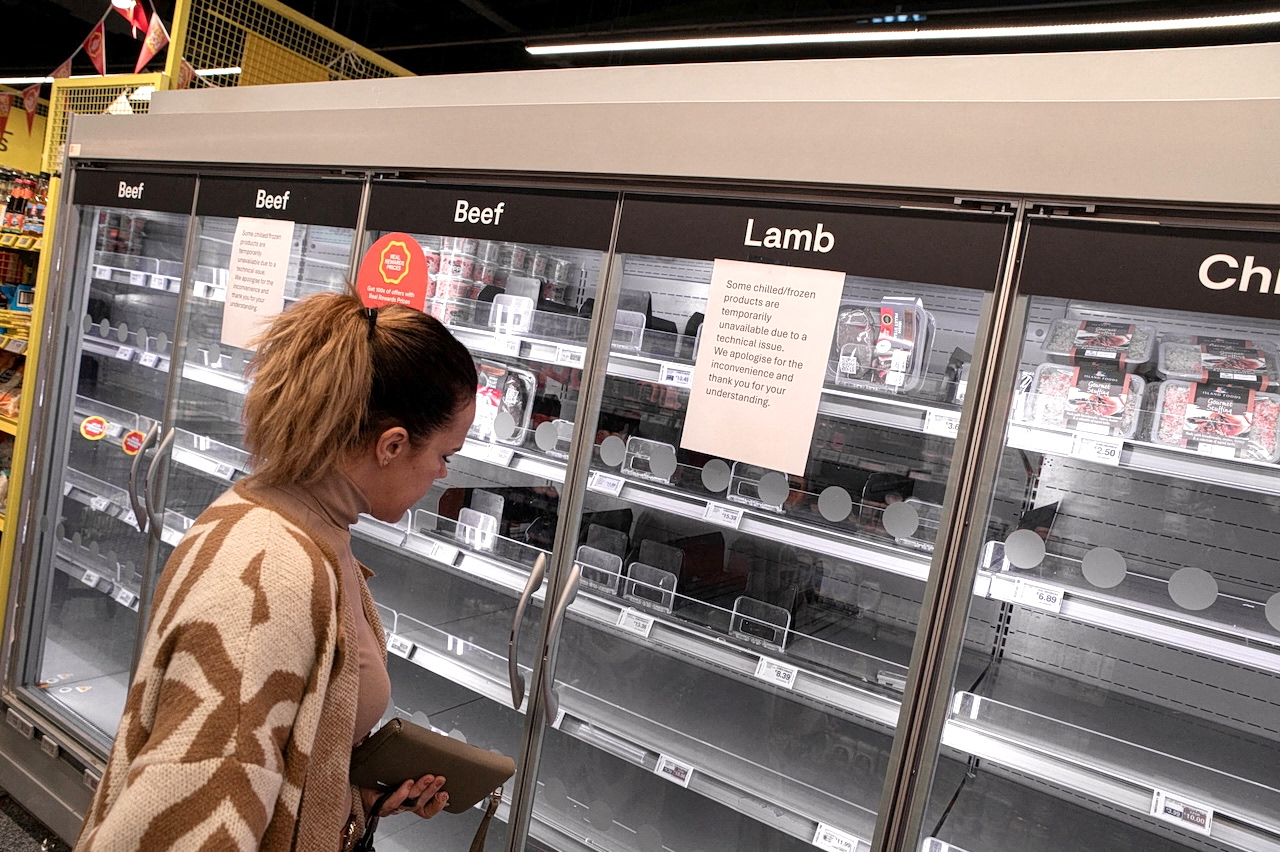
Among others, Hansen said that repeated attacks could lead to financial losses, increase food waste, and leave supermarket shelves empty.
A similar attack took place in France last month, where affected refrigeration systems caused food spoilage and financial damage.
The European Commission expressed “serious concern” over the incidents on Monday. Authorities will be investigating whether the attacks are potential hybrid threats targeting essential supply chains meant to undermine public confidence. Hanson said the attacks exposed vulnerabilities that required stronger preparedness and resilience. He went on to reassure, however, that Europe’s food security was not at risk.
Cyberattacks Also Affect Greece and UK
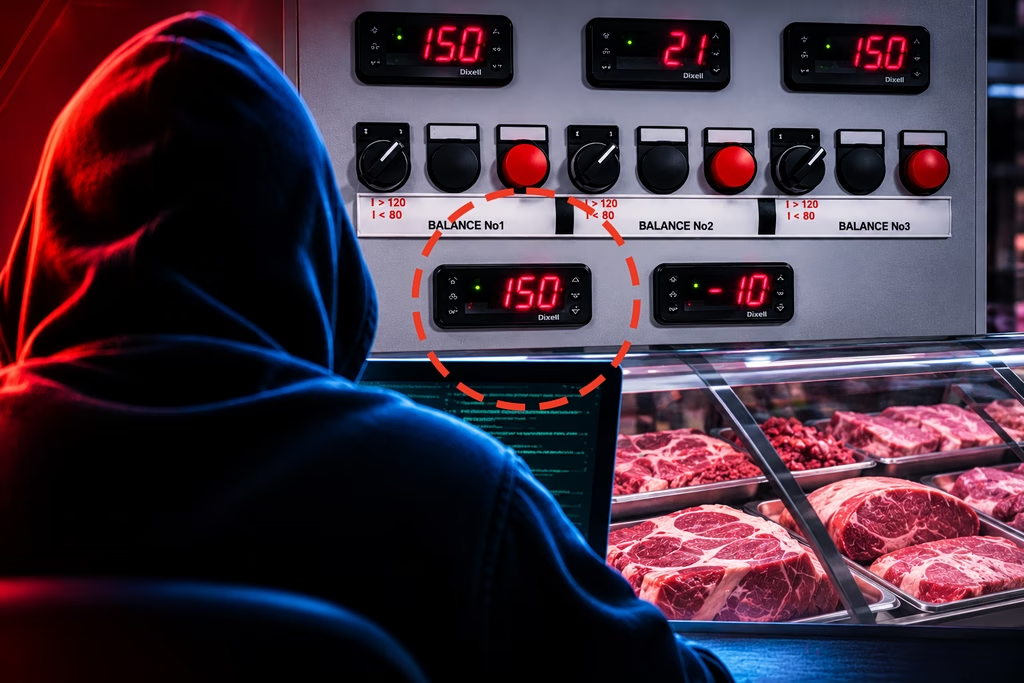
In Greece, the owner of a butcher shop in the northern Athens suburb of Kifissia, reported that hackers had gained remote access to the business’s refrigeration management system and changed temperature settings to 150°C.
In the UK, the Richard Horne, CEO of the National Cyber Security Center, confirmed that there were some instances where “vulnerable technology has been exploited” after the cyberattacks. Speaking to BBC, Horne said the attacks not only targeted supermarkets, but the whole food supply chain. “We’ve been working through the night alerting organizations where we can see they’ve got exposed technology that’s vulnerable in this way.”
Horne added that the latest news reinforced Defence Secretary warnings last week that people in the UK prepare emergency kits
On Tuesday, Horne said that Britain faces the prospect of AI-boosted attacks on critical national infrastructure in the next two years. He went on to add that hackers demanding ransom payments are “highly likely” to use AI to target the UK by 2028.
“In the coming months, we face a real prospect of an unprecedented rise in the number of cyber incidents,” he said.